








Can Water Flosser Remove Tartar? What It Can Actually Do
People buy a water flosser hoping it will do more than floss — and one question keeps coming up: can it clear the yellowish buildup near the gumline that brushing doesn't seem to touch?
Short answer: no. A water flosser cannot remove hardened tartar. Once plaque has mineralized and bonded to the tooth surface, pressurized water won't dislodge it. The only tool that removes tartar is a dental scaler in a professional's hands.
But that's not the whole picture. Water flossers are genuinely excellent at preventing tartar from forming in the first place — and that matters more than most people realize. This article explains why, what tartar actually is, and who benefits most from using a water flosser daily.
|
The one-line verdict Water flossers cannot remove hardened tartar. They can remove the soft plaque that tartar forms from, which is the smarter place to intervene. Once tartar is present, book a professional cleaning. No home device replaces that. |

The Straight Answer: A Water Flosser Cannot Remove Hardened Tartar
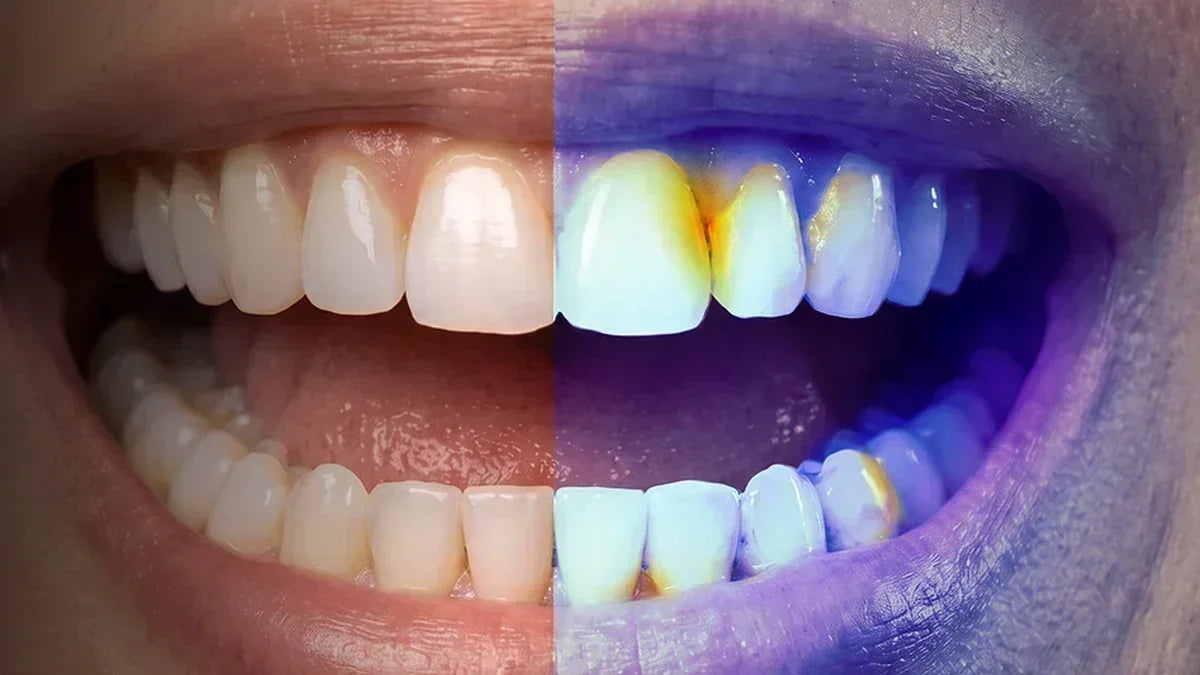
Tartar — also called dental calculus — forms when soft plaque absorbs minerals from saliva and hardens into a brittle, calcium-rich deposit. It adheres to the tooth enamel and gum margin the same way cement adheres to a surface: mechanically bonded, not just sitting there.
No matter how high you set the pressure on a water flosser, the stream can't replicate the physical scraping action needed to break that bond. This holds for all water flossers — portable or countertop, any brand, any pressure level. It's a physics problem, not a product limitation.
What can break that bond? A dental scaler. Specifically, the flat, sharp instruments or ultrasonic vibration tools that hygienists use. They work because they physically chip and dislodge the hardened deposits — something water pressure simply can't do.
|
⚠ Don't try to scrape it yourself DIY tartar scraping with metal tools or fingernails scratches enamel and lacerates gum tissue. The damage that causes is harder to fix than the tartar was. If you see visible deposits, the right move is a dental cleaning — not a harder tool. |
Plaque vs. Tartar: The Difference Most People Need to Understand First

Most confusion about water flossers stems from treating plaque and tartar as interchangeable. They aren't. They behave differently, require different responses, and sit at different stages of the same process.
Here's how they compare — the ADA explains the mineralization cycle that turns plaque into calculus:
|
Feature |
Plaque |
Tartar (Dental Calculus) |
|
What it is |
Soft, sticky bacterial film that forms daily |
Hardened, mineralized plaque bonded to the tooth surface |
|
Color |
Clear to pale yellow — often invisible |
Yellow, brown, or black — visible to the naked eye |
|
Texture |
Soft, removable with brushing/flossing |
Hard, rough, crusty — can't be brushed off |
|
How long to form |
Starts forming minutes after brushing |
Plaque hardens into tartar in 24–72 hours |
|
Where it collects |
All tooth surfaces, between teeth |
Gumline, between teeth, around dental work, back of lower front teeth |
|
Can you remove it at home? |
Yes — brushing, flossing, water flossing |
No, only dental professionals can scale it off |
|
Main risk if ignored |
Leads to tartar, cavities, and gum irritation |
Gum disease, tooth decay, bad breath, and tooth loss |
The mineralization window that matters
Plaque starts hardening into tartar somewhere between 24 and 72 hours after it forms. That window is exactly where daily cleaning — brushing, flossing, water flossing — has its power. Miss that window consistently, and tartar forms in the spots your cleaning routine isn't reaching.
This is why water flossers matter for preventing tartar, even if they can't remove tartar once it's set. They help close the window.
Where tartar tends to build up
Not randomly. Tartar predictably collects along the gumline, between teeth, around crowns and bridges, and behind the lower front teeth — where saliva ducts are closest to the surface and mineral concentration is highest. These are also the spots that brushing alone tends to miss. Recognizing these locations helps you focus on where cleaning matters most.
How Water Flossers Work on Teeth and Gums
 A water flosser delivers a pulsating, pressurized stream through a small tip. A peer-reviewed study published in PMC confirmed that the combination of water pressure and pulsation effectively disrupts soft bacterial biofilm — the organized structure that makes up plaque — especially in areas brushing doesn't reach. Independent Waterpik research found that the water flosser removed up to 99.9% of plaque from treated areas and performed 29% better than string floss alone in reducing plaque biofilm.
The pulsating action also reaches several millimeters below the gumline, which matters because that's where bacteria accumulate in gum pockets, and where early gum disease originates. Traditional brushing doesn't get there. String floss gets to the gumline. Water flossers reach past it.
What they're doing: flushing debris, disrupting biofilm, and cleaning spots that other tools miss. What they're not doing: physically scraping surfaces. That mechanical scraping is what tartar removal needs — and it's not something water pressure produces.
What a Water Flosser Can Actually Help With
 Despite not removing tartar, water flossers earn their place. Browse flossers designed for daily plaque prevention to see what features matter most for your situation:
|
Plaque removal Removes soft plaque before it mineralizes. Daily use keeps the 24–72 hour window from closing on the spots between your teeth and along the gumline. |
Gum health Reduces bacterial load near the gum margin, which helps reduce bleeding and inflammation. Gentle pulsation also improves circulation in gum tissue. |
Hard-to-reach areas Gets into spaces around braces, under bridges, around implant collars, and behind lower front teeth — exactly where tartar loves to build up. |
Can Water Flossing Help Prevent Tartar Buildup?

Yes — this is the main value proposition. Tartar can only form from plaque. Remove the plaque daily, and tartar doesn't get the raw material it needs.
Water flossers don't replace string floss for everyone. String floss makes direct physical contact against tight tooth surfaces in a way water pressure doesn't. The Mayo Clinic notes that consistent interdental cleaning is one of the primary ways to prevent gingivitis from developing into more serious gum disease. That consistency is where water flossers win for many people — they're easier to use correctly every day.
|
Cleaning method |
Removes soft plaque? |
Reaches below the gumline? |
Effective with braces/implants? |
Daily compliance for most people |
|
String floss |
✓ Yes — scrapes directly |
At the gumline level |
Difficult to impossible |
Moderate — technique-dependent |
|
Water flosser |
✓ Yes — flushes biofilm |
✓ Several mm below |
✓ Excellent |
High — easier for most users |
|
Brushing alone |
Partial — misses between teeth |
✗ No |
Partial |
High — but incomplete |
For many people, the honest answer is: use both. Floss tight contacts with a string, use a water flosser for everything else — gumline, back teeth, around any dental hardware. The combination leaves fewer gaps for plaque to hide in.
What Actually Removes Tartar From Teeth
 Once tartar has formed — once you can see or feel that rough yellow-brown crust near the gumline — home care has reached its limit. Professional scaling is the only effective option.
|
# |
What happens |
Detail |
|
1 |
Examination |
Your hygienist uses a probe to check for tartar deposits and measure gum pocket depth. This maps where the problem is before any tools touch it. |
|
2 |
Scaling |
Hand scalers or ultrasonic instruments chip and vibrate tartar loose from above and below the gumline. The ultrasonic device also breaks up softer deposits using high-frequency vibration. |
|
3 |
Polishing |
A slightly abrasive paste smooths the tooth surface after scaling. Smoother surfaces give plaque less texture to cling to, which slows down re-accumulation between visits. |
|
4 |
Irrigation |
A fluoride or antimicrobial rinse flushes residual debris and bacteria from cleaned surfaces. This finishes the cleaning and supports gum recovery. |
How often should you go?
Most people: every six months. Some need more frequent visits — roughly every 3–4 months if you have a history of gum disease, are a heavy tartar builder, smoke, or have diabetes. Your hygienist will track the pattern and recommend an interval that makes sense for your specific situation.
Excellent home care reduces the amount of tartar that accumulates between visits. It doesn't eliminate the need for visits — tartar still forms in hard-to-clean spots over time, even with a good daily routine.
Signs You May Already Have Tartar Instead of Plaque

People often don't know who they're dealing with. According to WebMD, tartar visible above the gumline is typically yellow or brownish, but subgingival tartar below the gumline can appear almost black. Here's how to read the signs:
|
Sign |
More likely plaque |
More likely tartar |
|
Texture near gumline |
Fuzzy or slippery feeling |
Rough, hard, crusty — doesn't brush away |
|
Color near the gumline |
Normal tooth color |
Yellow or brown deposits visible |
|
Gum reaction |
Slight bleeding that improves with better cleaning |
Recurring bleeding in the same spots despite good brushing |
|
Bad breath |
Improves after brushing |
Persists even with good oral hygiene |
|
How long it's been there |
Recent buildup |
Long-standing, keeps returning to the same spots |
|
What to do |
Improve brushing and flossing routine |
Book a professional cleaning |
A useful rule of thumb: if it doesn't brush away and it's been there for a while, it's probably tartar. Increasing pressure or frequency won't remove it — it needs professional scaling.
The Best Home Routine to Reduce Future Tartar Buildup
Prevention is the whole game. Once you've had tartar scaling professionally, the goal is to extend the interval before it returns. That comes down to consistency more than any single tool.
|
Habit |
Why it matters for tartar prevention |
How often |
|
Brush with fluoride toothpaste |
Removes plaque from surfaces; fluoride strengthens enamel against acid erosion |
Twice daily, 2 minutes |
|
Clean between teeth daily |
Removes plaque from contacts and gumline — where tartar most often forms |
Once daily minimum |
|
Water floss along the gumline |
Reaches below the gumline and around dental hardware, brushing misses |
Once daily, ideally before brushing |
|
Use an antimicrobial rinse |
Reduces bacterial load in areas tools can't fully reach |
Once daily, after flossing |
|
Reduce sugary/starchy snacking |
Less frequent sugar exposure = less acid production = slower plaque formation |
Ongoing dietary habit |
|
Keep dental appointments |
Removes tartar that inevitably builds up in hard-to-clean spots |
Every 6 months, or as directed |
Who Benefits Most From Using a Water Flosser=
The benefit isn't equal for everyone. A water flosser is most valuable when it solves a specific cleaning problem:
|
Braces & dental hardware Brackets, wires, implants, bridges, and crowns all create gaps where plaque hides and tartar forms fast. A water flosser gets around these structures in ways string floss physically can't. |
Sensitive or bleeding gums Adjustable pressure means people with inflamed or sensitive gums can clean effectively without the tearing sensation that puts them off string floss. Gentler on reactive tissue. |
Dexterity challenges Arthritis, limited hand strength, or coordination issues make string flossing genuinely difficult. A water flosser handles the gumline and interdental areas with much less manual precision. |
For these users in particular, a portable water flosser you can use after every meal makes daily plaque removal easier and more consistent — which directly reduces the rate at which tartar accumulates between professional cleanings.
Final Takeaway: Think Prevention, Not Tartar Removal
The framing is everything here. A water flosser isn't a tartar removal device — and anyone selling it as one is overstating what it does. But as a plaque-removal and tartar-prevention tool, it's genuinely effective, especially in areas where plaque tends to quietly build into tartar.
Water flossers are for prevention. Dentists are for removal. Neither replaces the other.
If you've kept up with brushing but never quite made flossing a consistent habit, start building the daily oral care routine that covers the gaps. Water flossers make that easier for most people — which is why compliance is higher, and the real-world plaque-prevention benefit shows up. The professional cleaning removes what accumulates anyway. The daily routine determines how much that is.
FAQs
Can a water flosser remove hardened tartar at home?
No. Hardened tartar is bonded to the tooth surface and can only be removed by professional scaling. Water pressure doesn't produce the mechanical force needed to dislodge it.
Does a water flosser help prevent tartar buildup?
Yes. By removing soft plaque daily — before it can mineralize — water flossers reduce the amount of tartar that forms over time. That's their real value in a tartar-prevention context.
What is the difference between plaque and tartar?
Plaque is soft, sticky, and removable with daily cleaning. Tartar is hardened plaque that has absorbed minerals from saliva and bonded to the tooth — it can't be removed at home and needs professional scaling.
Is a water flosser better than dental floss for preventing tartar?
Different strengths. String floss physically scrapes tight tooth-to-tooth contacts better. Water flossers reach below the gumline and around dental hardware more effectively. For most people, the best routine includes both — or at minimum, the one they'll actually use consistently every day.
How do you know if you already have tartar on your teeth?
Yellow or brown deposits near the gumline, rough surfaces that don't brush away, persistent bad breath that doesn't clear up with good oral hygiene, and recurring gum irritation in the same spots. These point toward tartar rather than just plaque.
What is the only safe way to remove tartar from teeth?
Professional scaling by a dentist or dental hygienist. Attempting to scrape tartar at home with metal tools or toothpicks damages enamel and injures gum tissue — the harm done is worse than the tartar itself.
Should you still use a water flosser if you get tartar easily?
Absolutely. People who build tartar quickly benefit most from thorough daily plaque removal, which is exactly what a water flosser helps with. Just don't rely on it as a substitute for professional cleanings. Use both.


Looking for something else?
Best Electric Toothbrush for Gum Disease (2026): 6 Picks Tested for Real Gum Protection
LEARN MORE
Electric Toothbrush on Plane: The Complete Travel Guide (2026)
LEARN MOREBest Sustainable Electric Toothbrush 2026: 5 Picks Tested for a Greener, Healthier Smile.docx
LEARN MORE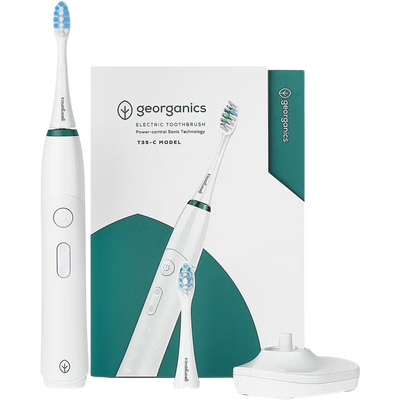
Best Sustainable Electric Toothbrush 2026: 5 Picks Tested for a Greener, Healthier Smile
LEARN MORELooking for something else?
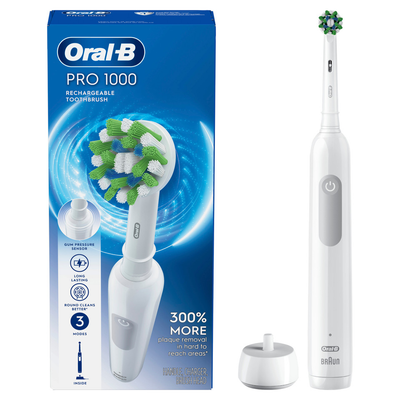
Best Cheap Electric Toothbrush (2026): Top 5 Budget Picks That Actually Work
LEARN MORE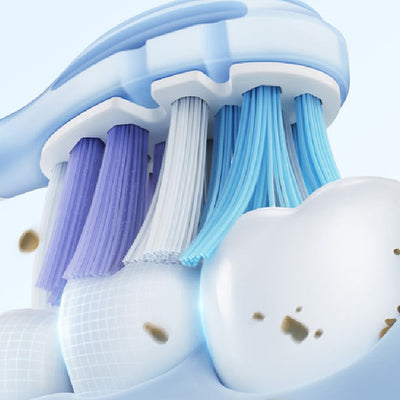
Ultrasonic Toothbrush vs Electric: Which Technology Wins for Your Smile?
LEARN MORE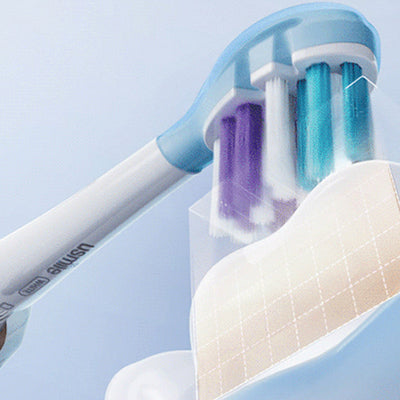
Best Electric Toothbrush for Sensitive Teeth (2026) — 5 Tested
LEARN MOREYou may also like
usmile Y20 PRO Upgraded AI Electric Toothbrush
usmile P10 S Electric Toothbrush
usmile Q30 Kids Electric Toothbrush
usmile C30SE Portable Dental Flosser
Further reading
Plaque, Stains, or Food Debris? How to Interpret What a Toothbrush Camera Shows
The 5 Toothbrushing Spots Kids Miss Most—and How Parents Can Help
The Back-to-School Brushing Reset: A 14-Day Plan for Kids Ages 3–8