


Why Baby Teeth Need Big Protection: A Cavity-Prevention Guide for Ages 3–8
Baby teeth are small, temporary and easy to underestimate. A parent may reasonably wonder: if these teeth will eventually fall out, how much protection do they really need? The answer is a great deal. Primary teeth help children chew, speak and hold space for the permanent teeth developing underneath. When decay causes pain or infection, it can interrupt meals, sleep, school and the everyday confidence of a growing child.
That is the idea behind Little Teeth, Big Protection. Cavity prevention does not need to begin with fear. It begins with making a few daily actions easier to do well, especially during ages 3–8, when children are eager to brush independently but may not yet have the patience or coordination to clean every surface.
Why are baby teeth so important?
By around age three, most children have all 20 primary teeth. These teeth support more than a smile: they help children bite and chew a varied diet, form sounds clearly and preserve room for adult teeth. A cavity in a baby tooth is therefore not something to ignore simply because the tooth will one day be replaced.
The encouraging news is that cavities are largely preventable. The Centers for Disease Control and Prevention notes that children who brush daily with fluoride toothpaste have fewer cavities. The American Dental Association recommends brushing twice a day for two minutes with fluoride toothpaste. For children ages 3–6, parents should use a pea-sized amount and supervise brushing so children do not swallow the toothpaste.
The four parts of practical cavity protection
-
Brush twice a day—and cover every surface
Two minutes matters, but time alone does not guarantee complete brushing. Children often spend most of those minutes on the easy-to-see front teeth. Back molars, inner surfaces and the gumline can receive only a quick pass. Teach a repeatable order: outside surfaces, inside surfaces and chewing surfaces, moving from one section of the mouth to the next.
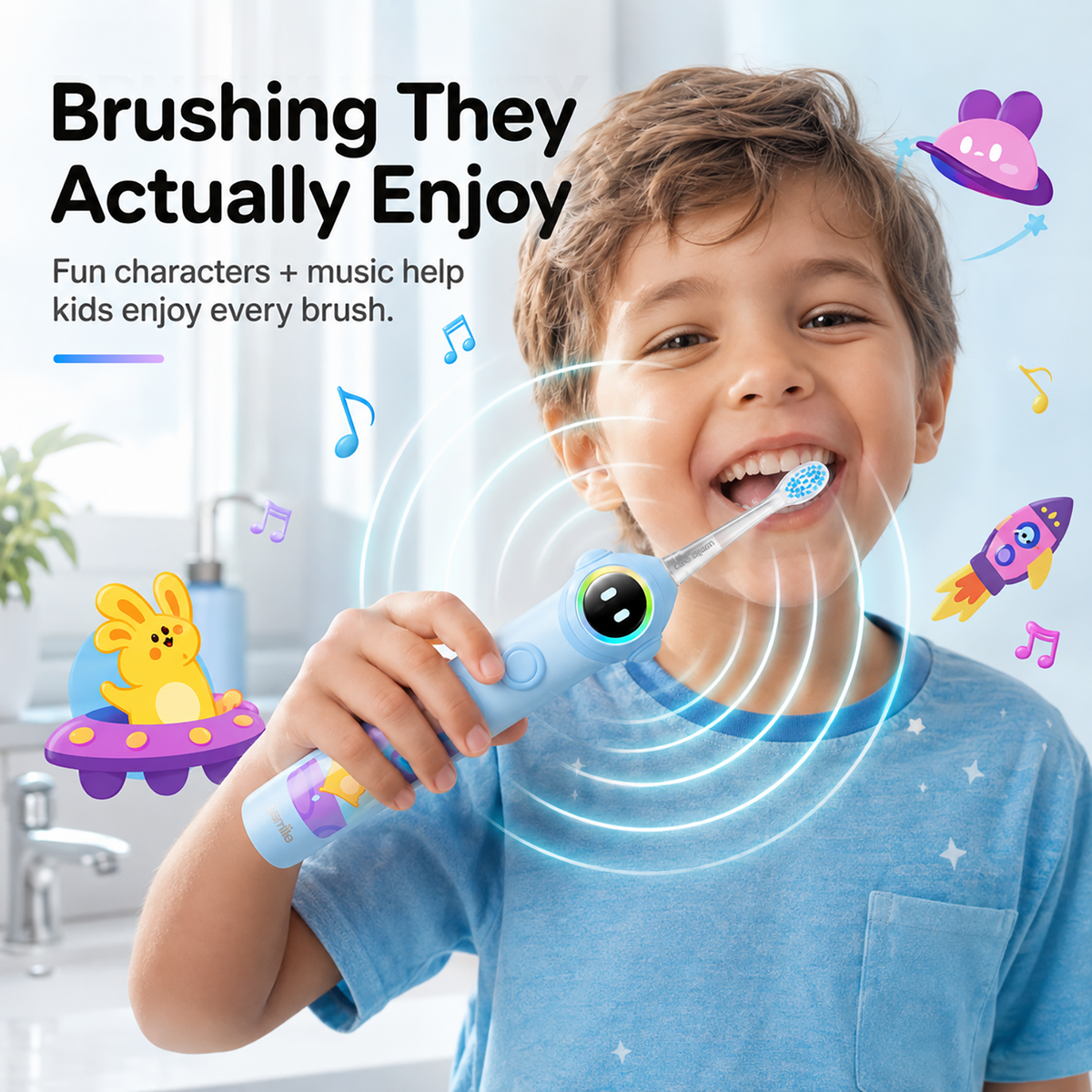
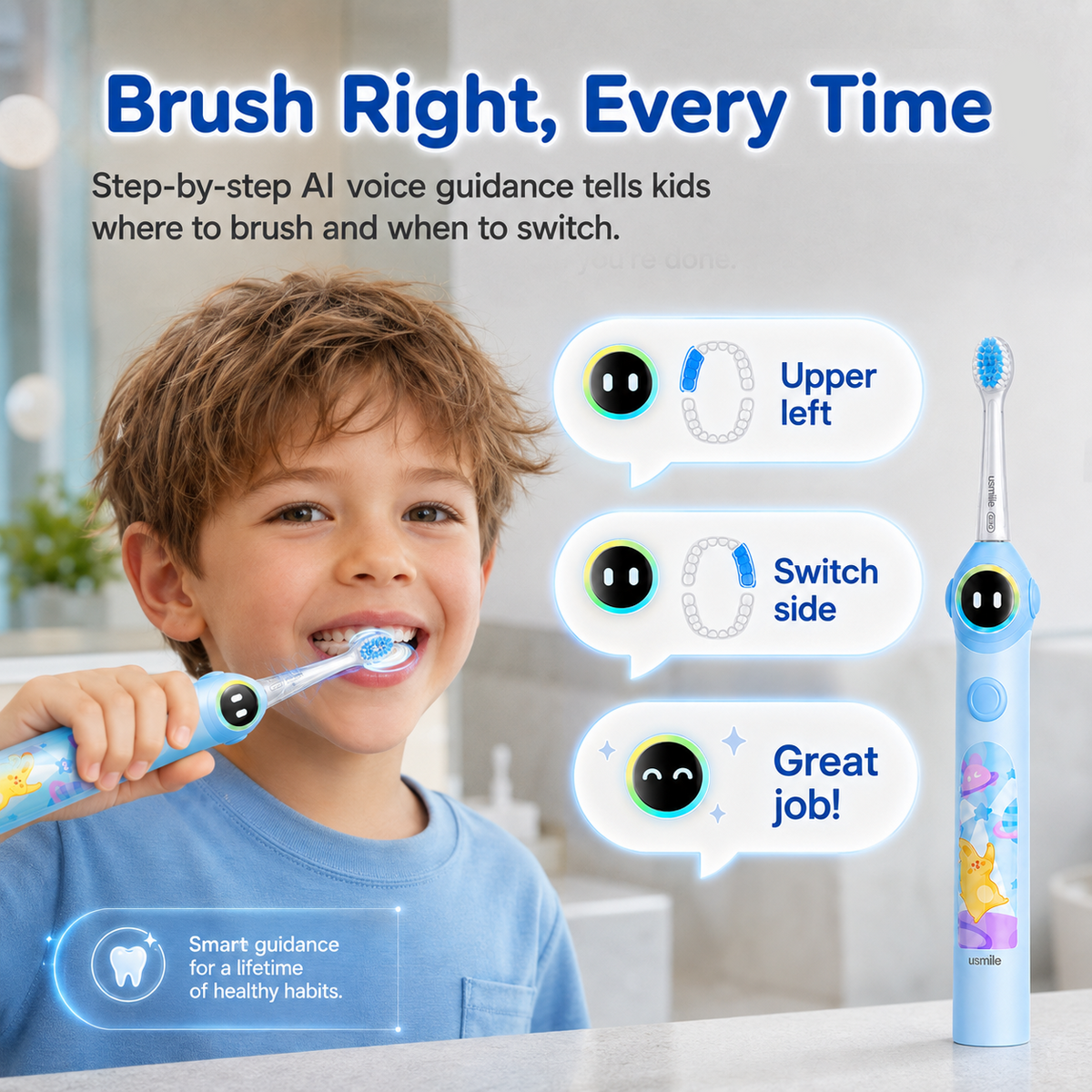
A guided toothbrush can make that sequence easier to follow. The usmile Q30 Kids Electric Toothbrush uses voice guidance and missed-zone reminders to help children keep moving through the mouth rather than brushing the same comfortable spot. Its soft bristles are designed for young mouths, while the app report gives parents a clearer view of the routine after brushing. Technology should support attentive brushing—not replace a parent’s help or a dentist’s care.
-
Use the right amount of fluoride toothpaste
For children ages 3–6, use a pea-sized amount of fluoride toothpaste. An adult should dispense it and remind the child to spit rather than swallow. Older children can gradually take over, but parents should still check that toothpaste is being used correctly. If your child has a high cavity risk, special health needs or difficulty spitting, ask their dentist for individualized advice.
-
Look beyond obviously sugary treats
Candy is not the only cavity-related concern. Frequent exposure to sweetened drinks, sticky snacks, juice and refined carbohydrates can keep feeding acid-producing bacteria. Instead of trying to create a perfect diet, focus on frequency: offer plain water regularly, keep sweet drinks and snacks to planned occasions, and avoid sending a child to bed after anything other than water without brushing.
-
Keep preventive dental visits in the routine
Home brushing is essential, but it cannot diagnose or treat decay. Regular dental visits allow a professional to assess each child’s risk, monitor development and discuss preventive options such as fluoride varnish or sealants. Contact a dentist sooner if your child has ongoing tooth pain, sensitivity, swelling, visible spots or difficulty eating.
What “independent brushing” should look like
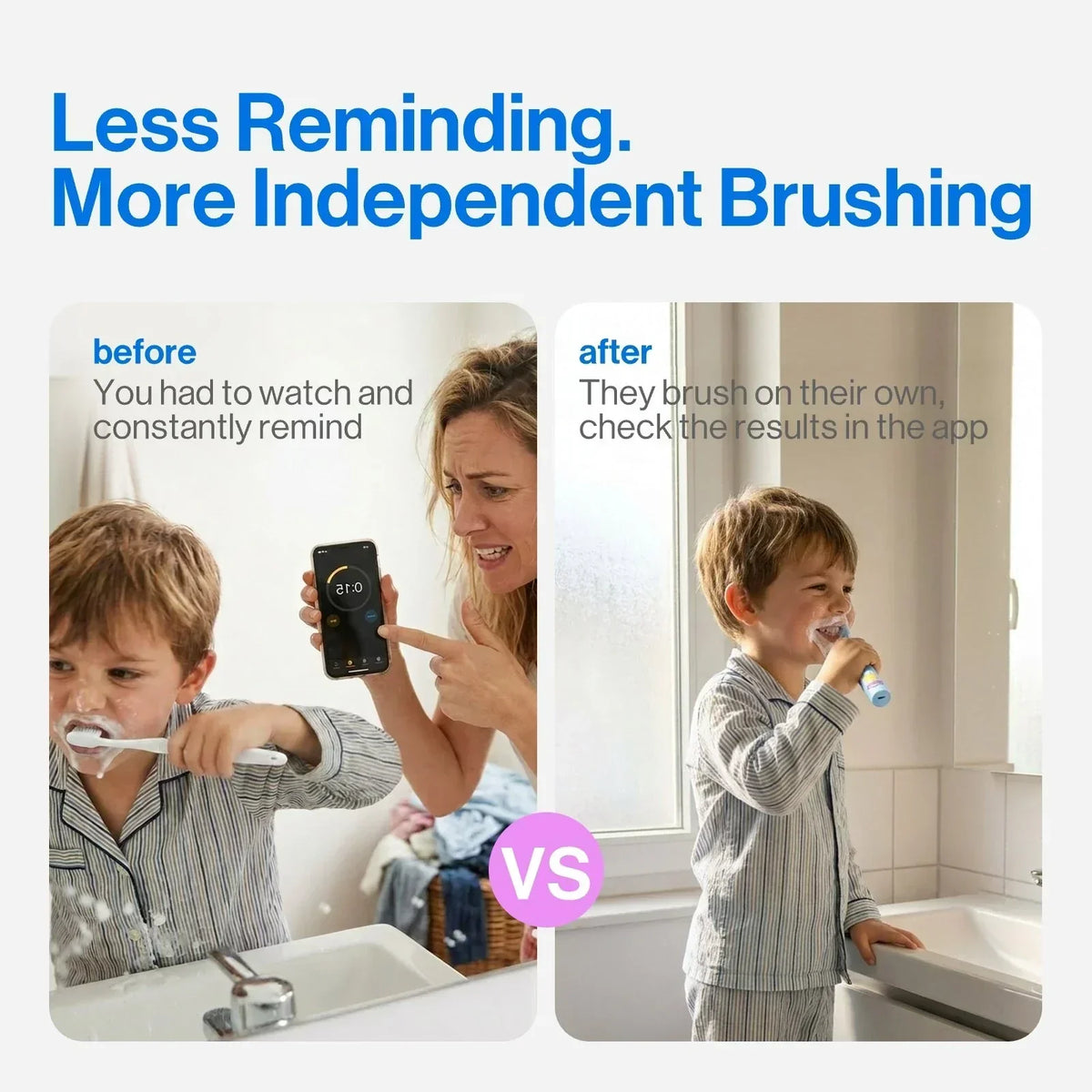
Independence is not a switch that flips on a birthday. A four-year-old may proudly hold the brush but still need a parent to complete the job. A seven-year-old may understand the steps but rush when tired. Let children participate at the level they can manage, then use a quick parent check or finish-brush where needed.
A useful rule is to transfer responsibility gradually: first the child chooses and participates; next the child follows the full routine with supervision; finally the child brushes independently while a parent reviews consistency. Progress matters more than performing every step perfectly on the first try.
Small protection, repeated daily
Protecting baby teeth is not about adding pressure to a busy family. It is about helping a child reach more teeth, use the right tools and repeat the routine often enough that it becomes ordinary. Two well-guided minutes in the morning and at night can protect far more than a small smile: they can protect comfortable meals, uninterrupted sleep and the confidence to keep learning independent care.
Make one improvement at a time. If mornings are reliable but evenings are rushed, stabilize bedtime brushing first. If your child brushes willingly but misses the back teeth, practice coverage instead of adding another reward. If you are unsure about fluoride, sealants, spacing or visible changes, bring those questions to the child’s dentist. A routine becomes sustainable when it answers the family’s actual point of friction—not when it tries to solve everything at once.
Make complete brushing easier to learn. Discover the usmile Q30 Kids Electric Toothbrush


Looking for something else?
Best Electric Toothbrush for Gum Disease (2026): 6 Picks Tested for Real Gum Protection
LEARN MORE
Electric Toothbrush on Plane: The Complete Travel Guide (2026)
LEARN MORE
Liquid error (snippets/recommend-article line 11): invalid url input
Best Sustainable Electric Toothbrush 2026: 5 Picks Tested for a Greener, Healthier Smile.docx
LEARN MORE
Best Sustainable Electric Toothbrush 2026: 5 Picks Tested for a Greener, Healthier Smile
LEARN MORELooking for something else?
Best Cheap Electric Toothbrush (2026): Top 5 Budget Picks That Actually Work
LEARN MORE
Ultrasonic Toothbrush vs Electric: Which Technology Wins for Your Smile?
LEARN MORE
Best Electric Toothbrush for Sensitive Teeth (2026) — 5 Tested
LEARN MOREYou may also like
usmile C10 Portable Dental Flosser
$83.99
$97.99
usmile C30 Cordless Water Flosser – Portable Oral Irrigator
$97.99
$111.99

usmile Y20 PRO Upgraded AI Electric Toothbrush
$148.39
$167.99

usmile Q30 Kids Electric Toothbrush
$97.99
$111.99

usmile Q30 Kids Electric Toothbrush Trio Pack
$264.56
$396.12
Further reading
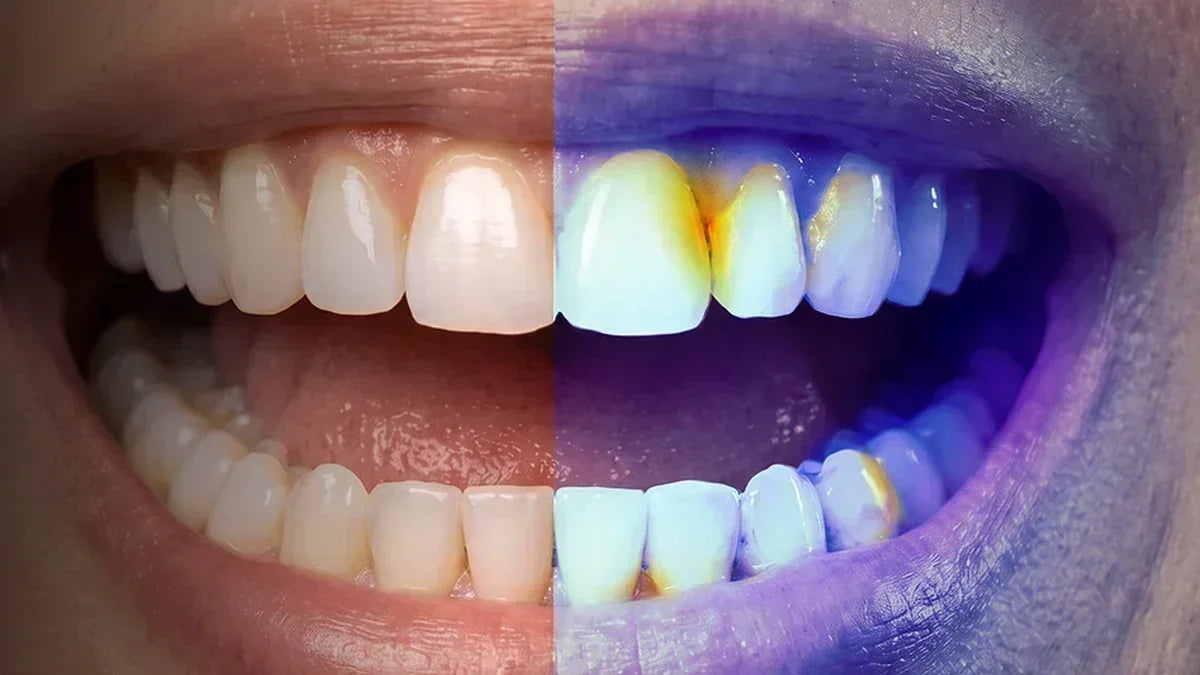
Plaque, Stains, or Food Debris? How to Interpret What a Toothbrush Camera Shows
Quick answer: A toothbrush camera can help locate and compare areas that deserve attention. A color, glow, or enlarged image alone cannot identify plaque, stain, food debris, tartar, decay, or a c...
The 5 Toothbrushing Spots Kids Miss Most—and How Parents Can Help
Your child brushed for two full minutes. The timer ended, the toothpaste foamed and the toothbrush looked busy. But did every tooth actually get attention? For many children ages 3–8, the challenge...
The Back-to-School Brushing Reset: A 14-Day Plan for Kids Ages 3–8
September changes the rhythm of a household. Wake-up times move earlier, breakfasts become faster, after-school activities return and bedtime can feel compressed. In that transition, children may ...
Behind usmile D50 OralCam Toothbrush: From Motion Tracking to Visual Intelligence in Oral Care
After six years of development, the oral-care company has combined fluorescence imaging, tooth-level recognition, motion sensing and on-device computing into a technology platform designed to show...
