


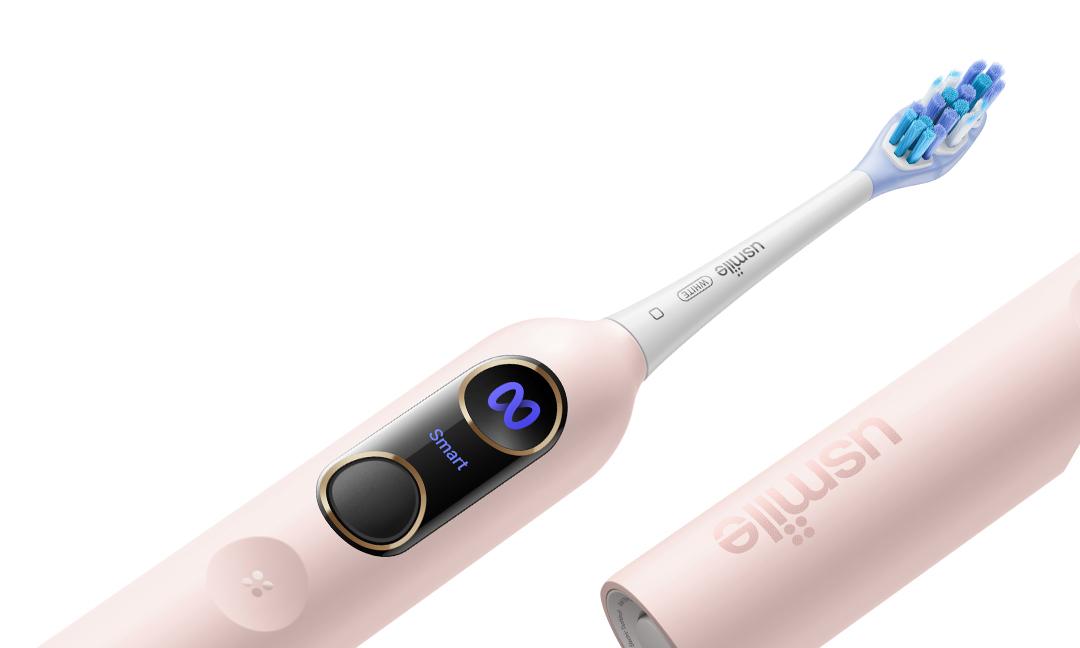
Electric Toothbrush vs Regular: Which One Actually Cleans Better?
|
21% More plaque removed by electric brushes (Cochrane) |
$2–$250 cost range from manual to premium electric |
2 Min × 2 They brushing rule that really matters |

Here's the thing — this debate has been going on for decades,s and most articles still dodge the actual answer. So let's get into it.
If you use a manual brush well — right angle, soft bristles, two full minutes, twice a day — it works. Full stop. The problem? Most people don't. They rush, press too hard, miss the backs of their lower teeth, and quit at 50 seconds. That's where an electric toothbrush changes the picture. It doesn't clean better because it's magic. It cleans better because it makes it harder to do a bad job.
This guide covers everything you need to know about electric toothbrushes vs. regular ones: what the research actually found, who benefits most, which features are worth paying for, and how to choose without overthinking it. Building a consistent smart oral hygiene starts with the right tool — and a little honest self-assessment.
What's Actually Different Between Electric and Manual?
 On the surface, both do the same job. They move bristles across tooth surfaces to break up plaque. But the mechanics are totally different — and that gap matters more than most people realize.
A manual brush relies entirely on your hand movement. The angle, the pressure, the motion — that's all you. An electric brush automates the motion itself. You're just guiding it. This is a bigger deal than it sounds, because getting the motion right is the hard part of brushing.
|
Feature |
Manual Toothbrush |
Electric Toothbrush |
|
Cleaning Motion |
You control it entirely |
Automated — oscillating or sonic |
|
Built-in Timer |
✗ None — you guess |
✓ Most models include a 2-minute timer |
|
Pressure Sensor |
✗ No feedback |
✓ Alerts you when pressing too hard |
|
Brush Head Size |
Standard flat head |
Often smaller, round — better reach |
|
Cost (Upfront) |
$1–$5 per brush |
$20–$250 + replacement heads |
|
Travel |
✓ No charging needed |
△ Requires charging, adapters |
|
Eco Impact |
Full replacement every 3–4 months |
Head-only swap — less plastic waste |
|
Quick Take Neither brush is automatically better. The electric version gives more real-time guidance, but a manual brush used correctly gets you to the same place. The issue is consistency. |
What the Research Actually Shows

Many articles cite the same two numbers — 21% and 11%. Worth explaining where those come from and what they mean.
A Cochrane Collaboration meta-analysis pulled data from 56 clinical trials covering more than 5,000 people. They found that powered brushes reduced plaque by 21% and gingivitis by 11% after three months compared with manual brushes. That's a real, consistent finding across a large body of research — not one cherry-picked study.
A German study followed 2,819 adults for 11 years and found that electric toothbrush users had less gum disease, fewer signs of recession, and — this one's striking — retained more teeth overall. The advantage builds slowly. That's how dental problems usually develop, too.
|
"When brushing properly, a manual toothbrush can be just as effective as an electric. The key benefit of electric brushes is that they make proper technique easier to achieve consistently." — American Dental Association. |
|
Study / Source |
Finding |
Time Frame |
|
Cochrane Meta-Analysis (56 trials, 5,000+ adults) |
21% plaque reduction, 11% gingivitis reduction vs. manual |
3 months |
|
University Medicine Greifswald (Germany) |
Less gum recession, more teeth retained |
11 years |
|
J. Indian Soc. Periodontology (RCT) |
Significantly better plaque scores with powered brush |
6 weeks |
|
ADA position (official) |
Both manual and electrical are effective when used correctly |
Ongoing |
|
What the data is really capturing The 21% advantage shows up in average real-world brushing — not ideal brushing. For people who already use perfect technique, the gap shrinks significantly. Most people are not brushing with perfect technique. That is the honest part. |
Who Gets the Most Out of an Electric Toothbrush

An electric brush isn't the right call for everyone. But for certain people, it's genuinely a game-changer. Here's who benefits most — and why.
|
User Profile |
Core Benefit |
Why It Helps |
|
People who rush brushing |
Built-in timer stops short sessions |
Most people average 45 sec — timer fixes this immediately |
|
People who press too hard |
Pressure sensor gives real-time alerts |
Over-brushing causes gum recession —the sensor prevents the damage |
|
Braces / orthodontic appliances |
Smaller head navigates brackets better |
Manual brushes miss spots around wires that electric heads reach |
|
Arthritis / limited dexterity |
Motor removes the need for precise motion |
Physical stroke technique is no longer a barrier |
|
Kids who hate brushing |
More engaging — some models use apps |
Two minutes feels shorter when it's interactive |
|
Anyone with gum disease history |
Consistent,t gentle cleaning every session |
Removes human error from the highest-risk behavior |
|
Worth knowing about braces Electric toothbrushes — especially round oscillating heads — clean around brackets far more effectively than flat manual heads. If you're mid-treatment, the switch is usually worth it. |
When a Regular Manual Brush Is Perfectly Fine

Don't buy into the idea that manual brushes are somehow outdated. The American Dental Association endorses both. Plenty of dentists use manual brushes themselves and have excellent oral health to show for it.
There are real situations where manual is the smarter choice. Be honest about which category you're in.
|
⚡ Choose Electric When... |
🪥 Stick With Manual When... |
|
✓ You consistently brush for under 90 seconds ✓ Your dentist has mentioned gum concerns ✓ You have braces or fixed appliances ✓ You have limited dexterity or arthritis ✓ You want built-in feedback for better habits |
✓ Your checkups are consistently clean ✓ Budget is a genuine constraint ✓ You travel constantly and hate charging ✓ Vibration feels uncomfortable to you ✓ Your technique is already solid and proven |
One thing people miss: if you're already getting great dental checkups and your dentist has zero concerns about your plaque levels or gum health, there's no medical reason to spend $80. The tool works. Don't fix what isn't broken.
|
The ADA's actual position Both manual and electric toothbrushes are effective at removing plaque when used correctly. The ADA Seal of Acceptance covers both type—personal preference and consistent use matter most. |
Key Electric Toothbrush Features — What's Worth Paying For

If you've decided to go electric, the price range is enormous — $20 to $250+. Not all features are equal. Some genuinely improve your oral health outcomes. Some are just marketing.
|
Feature |
What It Does |
Worth Paying For? |
|
Built-in 2-Min Timer |
Stops you from ending sessions too early — most important habit fix |
✓ Essential — get this on any model |
|
30-Sec Quadrant Buzzer |
Breaks the mouth into 4 zones so you cover each properly |
✓ Very useful — common on mid-range |
|
Pressure Sensor |
Alerts (light or slowdown) when you're scrubbing too hard |
✓ Important — protects gum health |
|
Oscillating Round Head |
Slightly better plaque removal than sonic in Cochrane data |
✓ Prefer over flat vibrating heads |
|
Soft Bristles (replaceable) |
Reduces enamel and gum abrasion — non-negotiable |
✓ Always choose soft |
|
Bluetooth / App Tracking |
Real-time zone coaching, brushing history, and habit scoring |
△ Helpful but not essential |
|
Multiple Cleaning Modes |
Sensitive, whitening, gum massaging,e etc. |
△ Nice bonus — not a dealbreaker |

Pairing a brush with a water flosser is worth considering if you've struggled to floss consistently. It covers the surfaces that toothbrushes — electric or manual — can't reach. uSmile's electric toothbrushes offer timers and pressure sensors without a luxury price tag. Their smart electric toothbrush for daily brushing is a solid mid-range option with the features that actually matter. And if you want to lock in a complete oral care routine, the brush + flosser combination is the baseline most dentists point to.
|
Replacement heads: check before you commit Some brands use proprietary heads that cost $30–$45 per pack and are hard to find locally. You'll need a new one every 3–4 months.—Calculate the annual head cost before choosing your brand. |
Best Brushing Habits — These Matter More Than Brush Type
Here's what most dental guides skip over: no brush — electric or manual — can fix genuinely bad habits. A $200 toothbrush used for 40 seconds once a day will underperform a $2 brush used correctly.
These five habits are the non-negotiables. They apply regardless of which brush you're holding.
|
Step |
What to Do |
|
01 |
Brush twice a day — morning AND before bed. Not once. The evening session is non-negotiable because bacteria work overnight undisturbed. |
|
02 |
Go for two full minutes. Split into four 30-second zones. Front teeth, back teeth, upper, lower. Cover all of it. |
|
03 |
Hold at 45 degrees toward the gumline — not flat across the teeth. The bristles need to reach just below where the tooth meets the gum. |
|
04 |
Light pressure only. You're disrupting a soft biofilm, not scrubbing a pan. Pressing harder does not remove more plaque — it just damages gum tissue. |
|
05 |
Clean between teeth daily. Toothbrushes only cover about 60% of tooth surfaces. Floss or a water flosser handles the rest. |
|
The over-brushing problem Gum recession caused by aggressive brushing is permanent — it doesn't grow back. If your bristles splay outward before the 3-month mark, that's a clear sign you're pressing too hard. Soft bristles + light pressure + proper angle. That's the whole technique. |
Common Myths — What's Actually True
There's a lot of noise around this topic. Let's clear up the ones that come up most often.
|
Myth |
Reality |
|
Electric brushes are always better |
Only if they're helping you brush better, great manual technique beats lazy electric use every time. |
|
Harder bristles clean. more thoroughly |
False. Stiff bristles damage gum tissue and enamel. Soft bristles are the dentist-approved standard — always. |
|
Manual bru. shes are outdate.d |
The ADA endorses both types fully. Many dental professionals use manual brushes and have perfect oral health. |
|
Brushing harder = cleaner teeth |
Plaque is soft. Gentle repetitive motion removes it. Pressure damages enamel and causes recession. |
|
Electric is only for people with issues. |
Anyone can benefit — especially if they rush, press hard, or want better consistency with less effort. |
|
"The best toothbrush is the one you use correctly, consistently, and gently — twice a day, every day. Brush type is secondary to technique and regularity." |
FAQs
What are the disadvantages of an electric brush?
Cost is the big one. Even entry-level models run $20–$40, and replacement heads add $10–$40 every few months. They need charging — annoying on international trips. Some people genuinely dislike the vibration sensation, and that's a real reason not to use one. In studies among older adults, the plaque-removal advantage wasn't always significant either.
Should I get a new toothbrush after norovirus?
Replacing the head after a certain number of uses is a reasonable precaution, especially if your brush was stored near others in a shared holder. The virus can survive on surfaces. That said, the CDC's primary prevention advice focuses on thorough handwashing and disinfecting contaminated surfaces — not specifically toothbrush replacement.
Do dentists really recommend electric toothbrushes?
A lot of them do — but mainly to help patients who rush, over-press, or can't maintain consistent manual technique. It's not a universal recommendation. If you're already getting clean checkups, most dentists won't push you to switch. The recommendation is about improving outcomes for people whose current habits aren't working.
What is the 3-3-3 rule for teeth?
You'll see it framed as brushing three times a day, for three minutes, thirty minutes after eating. It's well-intentioned but not the standard clinical guideline. The evidence-based baseline is simpler: twice a day, two minutes each time, with daily interdental cleaning. Three minutes isn't harmful, but it's not the ADA recommendation.
Is brushing for 3 minutes too long?
Not inherently. The risk comes from how you use that extra time. Three minutes of gentle, thorough coverage is fine. Three minutes of hard scrubbing accelerates enamel wear and gum damage. Focus on covering all surfaces properly — don't use extra time as an excuse to add pressure.
What food kills mouth bacteria?
Nothing you eat reliably kills oral bacteria in a way that replaces brushing. Fibrous vegetables and apples mechanically scrub tooth surfaces. Chewing sugar-free gum after meals stimulates saliva production, which naturally neutralizes plaque acids. Useful supplementary habits — but they're not substitutes for brushing and flossing.
Does brushing teeth twice a day make a difference?
Without question. Bacteria rebuild their biofilm in 24 hours. Brushing twice a day disrupts this cycle before it hardens into tartar. Skipping the evening brush is particularly costly — bacteria work undisturbed through the night. It's the single most impactful thing you can do for oral health besides seeing a dentist regularly.
What is the rule of 7 teeth?
This is a pediatric orthodontic guideline — age 7 is when most children should have their first orthodontic evaluation to assess how permanent teeth are coming in. It's not related to brushing. Framing it as a 'rule' can be confusing because it might sound like it's about brushing frequency or technique.
Bottom Line

An electric toothbrush does have a real edge. The research is consistent on that. But the edge comes from making it easier to brush correctly — not from any magic in the motor.
If you're rushing, pressing too hard, or forgetting to hit certain areas, switching to electric brush is probably worth it. If your technique is already solid and your dentist is consistently satisfied with your results, there's no medical case for changing.
Either way, the underlying habits determine long-term oral health: brushing twice a day for 20 minutes with soft bristles and light pressure, and daily interdental cleaning. Those five things will do more for your teeth than any particular brand or brush type ever will.
|
Key Reminders Before You Decide → Both brush types are ADA-endorsed when used with proper technique. → Electric brushes help most when technique or consistency is the weak link. → Timers and pressure sensors are the two features that move the needle most. → Replace your brush head (or full manual brush) every 3–4 months. → No brush — electric or manual — replaces daily flossing or water flossing. |
Resources & References
- Smart Dental Network:Electric Toothbrush vs Manual — Which Is Better for You? — Decision framework covering who benefits most, cost breakdown, and the technique-over-tool conclusion.
- Electric Teeth:Best Electric Toothbrush Picks — Decade of hands-on testing; identifies timers, pressure sensors, and brush head size as the features that actually matter.
- PMC / Journal of Clinical Periodontology — Pitchika et al. (2021):17-Year Impact of Powered Toothbrush on Oral Health — Long-term German cohort; powered brush users retained more teeth and showed less attachment loss over 17 years.
- CDC:How to Prevent Norovirus — Official prevention guidance; handwashing and surface disinfection are the primary controls, relevant to the post-illness toothbrush replacement question.
- NIDCR:Oral Health Data — Adults Age 20–64 — Federal data on decay prevalence and tooth loss trends in working-age adults; context for why daily brushing outcomes matter long-term.
- WebMD:Electric vs. Manual Toothbrush — Which Is Right for You? — Clinical overview covering brush types, technique tips, and when dentists recommend making the switch.
- PMC / Journal of Clinical Periodontology — Pitchika et al. (2019):Long-Term Impact of Powered Toothbrush — 11-Year Cohort — Foundation 11-year study; electric users had 19.5% more teeth retained and measurably less gum recession than manual brush users.


Looking for something else?

Electric Toothbrush vs Regular: Which One Actually Cleans Better?
LEARN MORE
Can Water Flosser Cause Gum Recession? What You Actually Need to Know
LEARN MORE
Waterpik vs Flossing: Which Is Better for Your Oral Health?
LEARN MORE
Sonic vs. Electric Toothbrush: Which One Is Better for Your Oral Health?
LEARN MORELooking for something else?
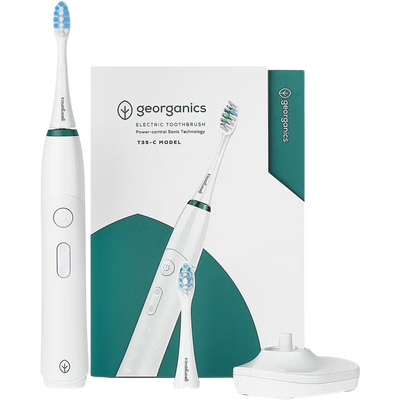
Best Sustainable Electric Toothbrush 2026: 5 Picks Tested for a Greener, Healthier Smile
LEARN MORE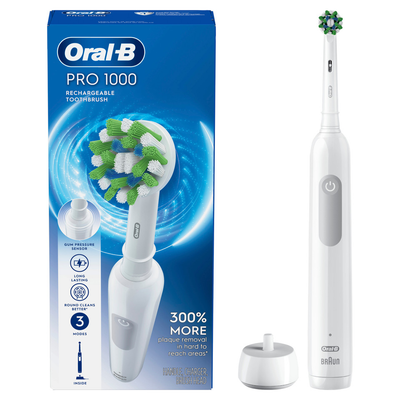
Best Cheap Electric Toothbrush (2026): Top 5 Budget Picks That Actually Work
LEARN MORE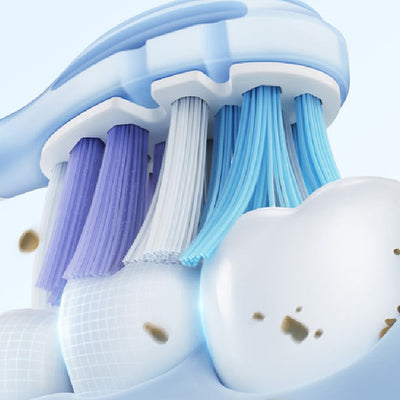
Ultrasonic Toothbrush vs Electric: Which Technology Wins for Your Smile?
LEARN MOREYou may also like
usmile Y20 PRO Upgraded AI Electric Toothbrush

usmile Q30 Kids Electric Toothbrush

usmile Q30 Kids Electric Toothbrush Trio Pack


usmile C30SE Portable Dental Flosser
Further reading
The 5 Toothbrushing Spots Kids Miss Most—and How Parents Can Help
The Back-to-School Brushing Reset: A 14-Day Plan for Kids Ages 3–8
Behind usmile D50 OralCam Toothbrush: From Motion Tracking to Visual Intelligence in Oral Care

