




Sonic vs. Electric Toothbrush: Which One Is Better for Your Oral Health?
Nobody actually enjoys the toothbrush aisle. Twenty-something boxes, all claiming "dentist-clean" results, none explaining what's different inside. You grab something and leave. Then you wonder later if you picked the wrong one.
If you've been going back and forth between sonic and electric toothbrushes — here's the real breakdown. No brand hype. Just what each one actually does, who it suits, and how to stop second-guessing yourself.
Sonic vs. Electric Toothbrush: The Core Distinction
First, a mix-up worth clearing up. Both brush types run on motors. Both are electric. But when people say "electric toothbrush" in daily conversation, they almost always mean the oscillating kind — small, round head, spins back and forth. That's one specific type. Sonic is a completely different technology.
What Makes a Sonic Toothbrush Different

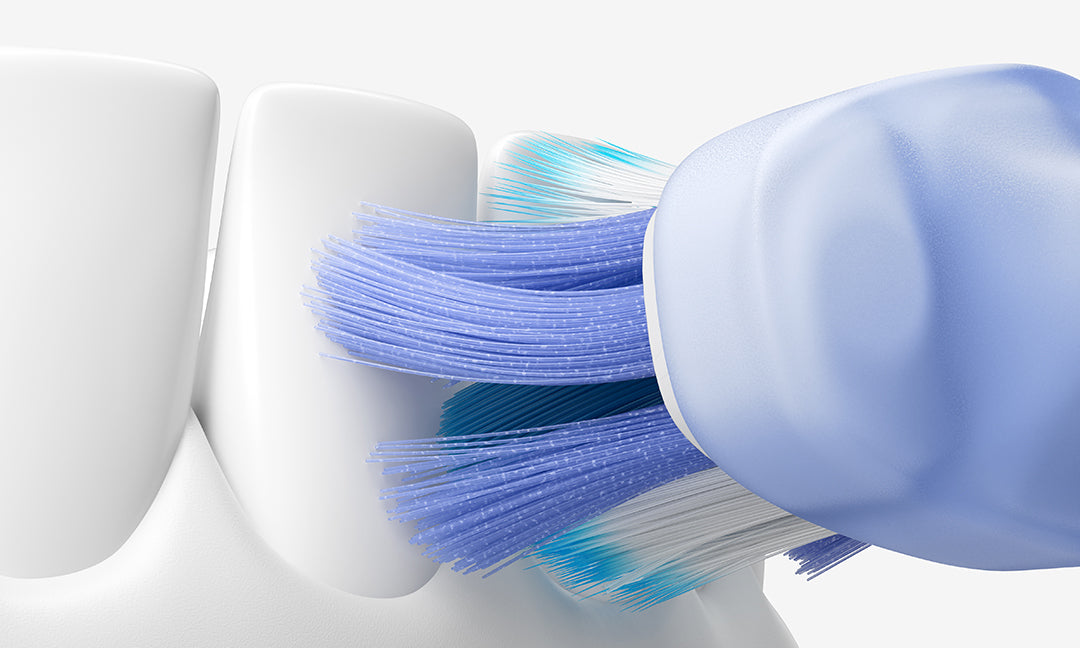
A sonic toothbrush vibrates side to side. Very fast — 30,000 to 40,000 strokes per minute, depending on the model. At that speed, the movement pushes saliva, toothpaste, and water around your mouth in a way that breaks up plaque even where bristles don't physically land. Dental folks call it fluid dynamics. Picture it less as scrubbing and more as flushing.
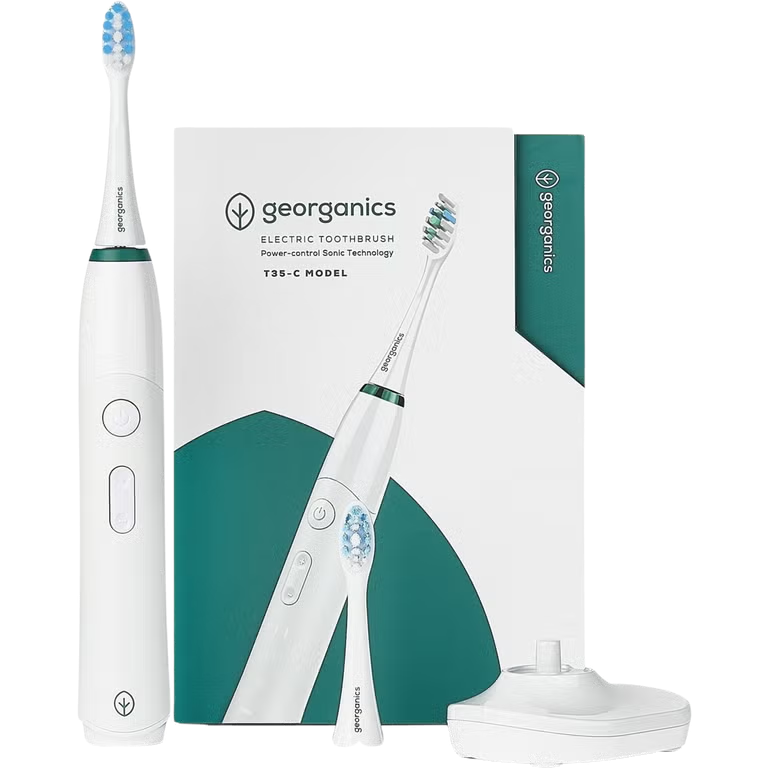
The head shape is also different — long and oval, almost identical to a regular manual toothbrush. Familiar territory if you've never used a powered brush before.
What Makes a Standard Electric Toothbrush Different

Oscillating brushes do something else entirely. That small round head rotates back and forth — 3,000 to 8,800 rotations a minute. No fluid tricks. It physically scrubs plaque off each tooth's surface through direct contact with the bristles. Mechanical. Straightforward. And honestly, a lot of people prefer the feeling — you can tell it's working.
Sonic vs. Electric Toothbrush: 5 Key Differences That Matter

|
Feature |
Sonic Toothbrush |
Oscillating Electric |
|
Brush head shape |
Elongated (like manual) |
Small, round |
|
Vibration speed |
30,000 – 40,000 strokes/min |
3,000 – 8,800 strokes/min |
|
Cleaning feel |
Gentle hum/glide |
Direct mechanical scrub |
|
Fluid dynamics |
Yes — non-contact cleaning |
No — bristle contact only |
|
Best for sensitive gums |
Excellent |
Good (with pressure sensor) |
|
Best for braces |
Very good |
Good with a round head |
|
Noise level |
Quieter |
Can be louder |
|
Entry price |
Higher |
Lower |
|
Familiarity for new users |
High (similar to manual shape) |
Moderate (new technique) |
1. Brush Head Shape and Mouth Coverage
Grab a Sonic brush — the head is long and oval. Covers two or three teeth per pass. Quicker to sweep the whole mouth. The oscillating head is small and round, designed to cup one tooth at a time. Slower overall, but gets into tight spots behind back molars where larger heads struggle.
2. Cleaning Feel and Brush Style
Sonic brushing is a glide. You move it slowly along your teeth and gums — don't scrub, just steer. Vibrations do the actual cleaning work.
Oscillating brushing is more deliberate. Park the head on each tooth, hold for a few seconds, and move on. More hands-on. Some people find that satisfying — physical proof the brush is earning its keep.
3. Plaque Removal in Hard-to-Reach Areas
Sonic brushes have a genuine edge here. Vibration agitates fluid in your mouth, disrupting plaque between teeth and right at the gumline — spots bristles can't physically reach. Not a gimmick. That's the fluid dynamics effect in practice.
Oscillating brushes depend entirely on what they touch. Miss the angle by a bit, miss the plaque. They clean each surface they reach extremely well — the key word being "reach."
4. Gum Comfort and Pressure Control
Sensitive gums? Sonic almost always wins here. Side-to-side vibration puts less direct force on soft tissue than a spinning head does. Noticeably gentler.
Though newer oscillating models now have pressure sensors. The motor actually slows or flashes red when you push too hard. If you're a heavy-handed brusher, that feature matters regardless of which type you're looking at.
5. Cost and Long-Term Value
Oscillating brushes are cheaper upfront. That's just a fact. Entry-level options don't sting. Sonic models cost more — handle and replacement heads both run higher per pack.
But the per-use pricing only works if you use the thing daily. A $65 sonic toothbrush you genuinely enjoy beats a $20 oscillating one that sits unused on the counter because it feels uncomfortable. Comfort and consistency are more connected than people give credit for.
What the Research Actually Shows
The Bigger Win: Getting Off Manual Brushing
Zoom out before diving into the specifics of sonic vs. oscillating. The largest jump in oral health doesn't come from choosing between two types of powered brushes. It comes from ditching a manual toothbrush entirely.
Cochrane reviewed 56 separate studies, involving more than 5,000 participants. Powered brushes beat manual by 21% on plaque reduction and 11% on gingivitis after three months. That difference is real and meaningful. Everything else in this article is a smaller conversation than that one.
Sonic vs. Oscillating: How Close Is It Really?
Closer than the brands want you to think. Some studies report that oscillating brushes produce a slight short-term plaque edge. Others lean toward sonic on gum inflammation. The Cochrane researchers who looked at this head-to-head called the difference "trivial to small" — and said they couldn't confirm it meant anything meaningful for real people's dental health.
Here's something worth knowing: most toothbrush research is funded by toothbrush brands. Oral-B funds studies — oscillating wins. Philips funds studies — Sonic wins. Consumer Reports (no brand funding) calls it essentially a draw. Make of that what you will.
Technique and consistency beat technology—every time.
Which Toothbrush Type Is Best for Different Users?

Best for Sensitive Gums
Sonic. Not really a debate for most people in this situation. Fluid-based cleaning puts less direct pressure on inflamed or receding tissue. If brushing has historically left your gums sore or bleeding, going sonic can genuinely change that experience in the first week.
Best for Braces, Crowns, or Dental Work
Both handle dental hardware well enough. But sonic brushes navigate braces with less effort — fluid dynamics push cleaning action into the spaces around brackets and wires that bristles can't physically reach. If you've got extensive work in your mouth, that matters.
Best for People Switching from a Manual Brush
Sonic is usually the smoother transition. The head shape is nearly identical to a manual brush — so you're only adjusting to one thing (the vibration), not relearning your whole technique. Oscillating brushes need a new approach from scratch: stop sweeping, start hovering. Takes longer to feel natural.
Best for Older Adults or Limited Dexterity
Either powered type blows manual brushing out of the water here. Timers, pressure sensors, and motors that do the scrubbing — all of it reduces the skill required to brush well. The gliding technique of sonic brushes requires slightly less wrist precision than navigating a small round head tooth by tooth.
Best for Budget-Conscious Shoppers
Oscillating, no contest. Solid options exist at much lower prices. The clinical gap between oscillating and sonic is small enough that you’re not compromising your dental health by choosing based on cost. Browse a range of affordable electric toothbrushes and find one that works without the premium price tag.
|
Signs Your Current Brush Might Be the Wrong Match
|
How to Brush Correctly With Each Type

The brush does most of the work. But "most" isn't "all" — how you use it still matters.
Using a Sonic Toothbrush
- Angle the head about 45 degrees toward the gumline. Same as the manual brush technique.
- Glide slowly from section to section. Don't scrub back and forth — the vibration handles the work.
- Feather-light pressure. Pressing harder does nothing except irritate your gums.
- Front surfaces, back surfaces, chewing surfaces — every tooth. Back molars, especially, get ignored constantly.
Using an Oscillating Electric Toothbrush
- Position the round head directly over one tooth. Don't drag it like you would a manual brush.
- Hold still for two to three seconds. The rotation is doing the cleaning — you're just placing it.
- Work in a consistent order: outer surfaces, inner surfaces, and chewing surfaces, in the same sequence each time.
- Barely hold it. Heavy pressure is the primary way people damage their gums with this type of brush.
How Long and How Often to Brush
Two minutes. Twice a day. The ADA recommendation hasn’t changed in decades because it works.
Nearly every powered brush beeps or pauses at 30-second intervals to nudge you between quadrants. Pay attention. Most people spend most of their brushing time on front teeth, which they can see in the mirror — the back teeth pay the price for that.
Still need to floss. Or use an interdental brush. Fluid dynamics are genuinely useful between teeth, but they don't replace mechanical cleaning in those spaces.
When to Replace the Brush Head
Three to four months. Sooner if the bristles start bending sideways, a flattened brush head smears bacteria around your mouth instead of removing them — motor speed doesn't fix that.
What Is the Downside of a Sonic Toothbrush?

The Vibration Needs Getting Used To
First few days — it feels strange. Ticklish, especially near the gums. Most people are fully used to it within a week. But if two weeks pass and it still feels like a tiny jackhammer, that's useful data — an oscillating brush probably fits your preferences better. That's a real preference, not a failure.
Price Is Higher, Both Upfront and Ongoing
The handle costs more. Replacement heads per pack are generally more expensive. If that's genuinely a barrier, an oscillating brush is not a compromise — the clinical difference in outcomes is small enough that you won't notice it at your next checkup.
Gentler Technology Doesn't Cover for Bad Habits
Sonic brushes are easier on gum tissue. They are not forgiving of 45-second sessions, skipped molars, or month-three-still-using-the-same-head situations. Poor technique produces poor results regardless of what's vibrating in your hand.
Final Verdict: The Brush You Use Every Day Wins

Both types deliver better results than a manual brush. That's settled. The sonic vs. oscillating comparison is genuinely close once you're already in powered-brush territory.
Sensitive gums, braces, or a preference for gentle cleaning — go sonic. Want direct mechanical feedback and a lower entry cost — go oscillating one. Genuinely unsure — try one for two weeks and switch if it doesn't feel right.
Your mouth will give you better feedback than any comparison chart.
|
Go With a Sonic Toothbrush If:
|
|
Go With an Oscillating Electric Toothbrush If:
|

Either way, the basics still matter: use soft bristles, brush for two minutes twice a day, floss once daily, and replace the brush head every three months. Build your oral care routine around an AI electric toothbrush with a pressure sensor to support consistent brushing habits, and your next checkup may reflect the difference.
FAQs
Is a sonic toothbrush better than a regular electric toothbrush?
Not automatically — and anyone who says so is usually selling one of them. Sonic brushes clean beyond bristle contact using fluid dynamics and tend to be gentler on gums. Oscillating brushes physically scrub each tooth surface and have solid clinical backing. Research puts the two close. The better brush is whichever suits your gums, fits your budget, and you'll actually use twice daily without dreading it.
Should I get a new toothbrush after norovirus?
Yes, swap the brush head. Reinfecting yourself from your own strain once you've recovered is unlikely — but it costs almost nothing to replace and gives you peace of mind. More importantly, if your brush shares a cup with other people in your house, replace it without debate. Store brushes upright so they air-dry properly between uses.
What is the best toothbrush for chemo patients?
This one really needs to come from your oncology team, not a web article. That said, most teams recommend either an ultra-soft manual brush or a sonic toothbrush on its lowest vibration setting, because chemotherapy can make oral tissues extremely fragile. Don't assume powered brushing is safe during treatment until you've asked your doctor.
Do dentists recommend a sonic toothbrush?
Many do — but what dentists more broadly recommend is just getting off a manual brush, full stop. Whether they specifically suggest Sonic usually comes down to your individual history: gum sensitivity, recession, braces, and hand dexterity. Worth asking yours directly at your next visit, since they know your mouth.
What is the downside of a sonic toothbrush?
Cost is the main one. Both the handle and replacement heads run higher than oscillating equivalents. Beyond that, the vibration takes a short adjustment period — a few days for most people, up to two weeks for some. A small number of people never quite get comfortable with it and genuinely do better with an oscillating brush. Neither situation is a flaw, just a fit issue.
What is the 3-3-3 rule for teeth?
A trend circulating on social media — brush three times a day for three minutes each time. It's not an official clinical guideline. The ADA standard is two minutes twice daily plus daily flossing. Brushing three times isn't dangerous, but it won't meaningfully outperform two thorough sessions done right.
Is it better to brush your teeth in the morning or at night?
Both sessions matter. Skip neither. But if you're prioritizing, night brushing is the one that does more protective work. Saliva flow drops significantly while you sleep, so whatever plaque is sitting on your teeth when you go to bed has hours of undisturbed access to your enamel. Remove it before bed, not after the damage starts.
What food helps support oral health?
Dairy (especially cheese) provides calcium that enamel needs. Raw, crunchy vegetables stimulate saliva, your mouth's built-in defense against bacteria. Leafy greens contribute minerals. Drinking water throughout the day keeps that saliva flowing. After meals, sugar-free gum helps when brushing isn't an option. None of this replaces brushing — but diet sets the conditions your cleaning routine either fights against or works with.
What are the signs of over-brushing?
Visible gum recession when you look in the mirror. Teeth that wince at cold drinks or ice cream. Bristles that look bent and flattened three weeks into a three-month replacement cycle. Suppose those sound familiar, ease off the pressure, or switch to a brush that physically slows its motor when you push too hard. Your gums can recede permanently — that's not reversible.
References and Resources
- Electric Teeth:Sonic vs Ultrasonic Toothbrush — Key Differences Explained — Independent breakdown of how sonic technology works and how it differs from oscillating-rotating; covers fluid dynamics, decibel levels, and real-world cleaning comparisons.
- PMC / Van der Sluijs et al. (2023) — International Journal of Dental Hygiene:Oscillating-Rotating vs Sonic — Systematic Review & Meta-Analysis (38 Comparisons) — Pooled data from 38 trial comparisons; found a small but statistically significant plaque-removal edge for oscillating-rotating; reviewers noted the clinical significance was unclear.
- JADA — Clark-Perry D & Levin L (2020):Oscillating-Rotating vs Other Powered Toothbrushes — Systematic Review & Meta-Analysis — JADA review confirming statistically superior plaque and gingivitis reductions for oscillating-rotating over sonic in multiple head-to-head trials.
- ADA MouthHealthy:Gum Disease — Causes, Stages & Prevention — ADA patient-facing overview of how plaque triggers gingivitis, what consistent brushing prevents, and when professional care is needed.
- Consumer Reports:Best Electric Toothbrush Reviews & Ratings — Independent testing results across both sonic and oscillating models with no industry funding; overall finding is that neither type clearly outperforms the other in real-world use.
- Mayo Clinic:Dental Hygiene — Tips for Good Tooth Brushing — Clinical overview of brushing technique, angle, timing, and soft bristle recommendations applicable to both sonic and oscillating brush types.
- American Cancer Society:Mouth Sores During Cancer Treatment — Guidance on oral care during chemotherapy; recommends soft toothbrush or foam swab, and consulting the oncology team before using any powered brush during active treatment.


Looking for something else?
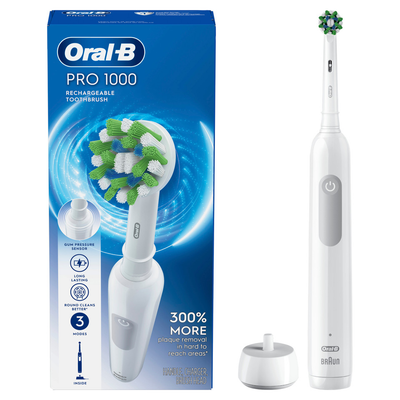
Best Cheap Electric Toothbrush (2026): Top 5 Budget Picks That Actually Work
LEARN MORE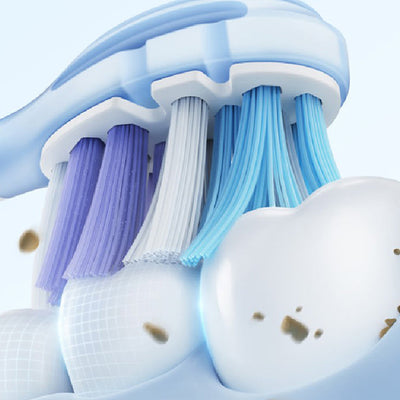
Ultrasonic Toothbrush vs Electric: Which Technology Wins for Your Smile?
LEARN MORE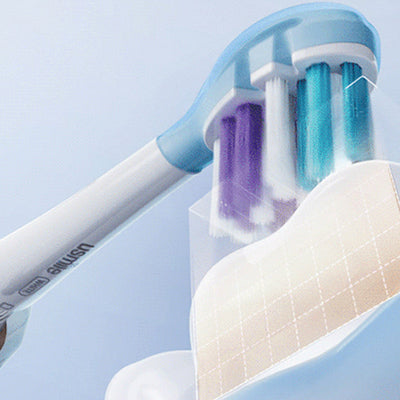
Best Electric Toothbrush for Sensitive Teeth (2026) — 5 Tested
LEARN MORE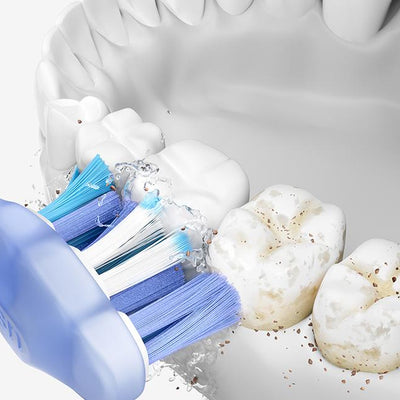
Does an Electric Toothbrush Have a Lithium Battery
LEARN MORELooking for something else?
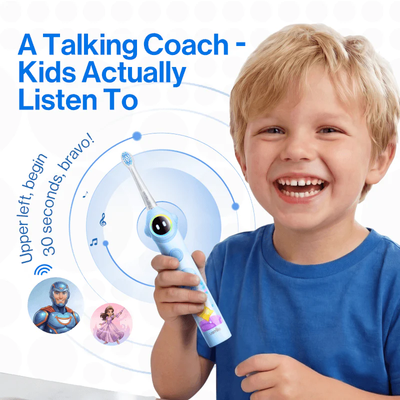
How to Make Brushing Teeth Fun for Kids Without Daily Battles
LEARN MORE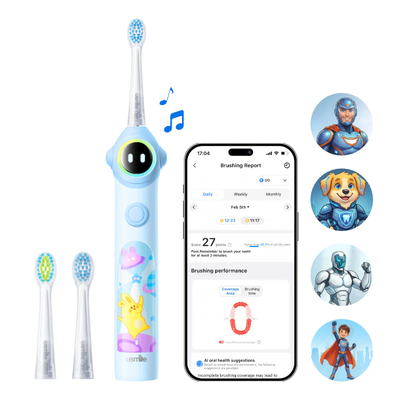
Best Toothbrush for Kids Who Hate Brushing: Parent Guide
LEARN MORE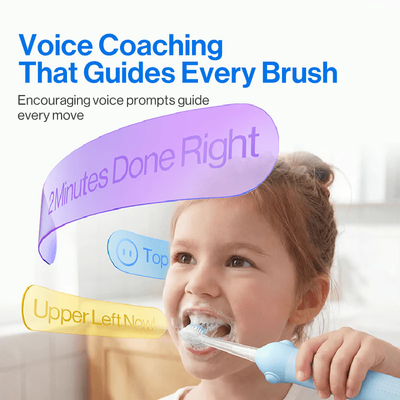
Best Electric Toothbrush for Kids: What Parents Should Look For
LEARN MOREYou may also like
usmile C30 Cordless Water Flosser – Portable Oral Irrigator
usmile Y20 PRO Upgraded AI Electric Toothbrush
usmile P10 S Electric Toothbrush
usmile Q30 Kids Electric Toothbrush
usmile C30SE Portable Dental Flosser
usmile Q30 Kids Electric Toothbrush Trio Pack
Further reading
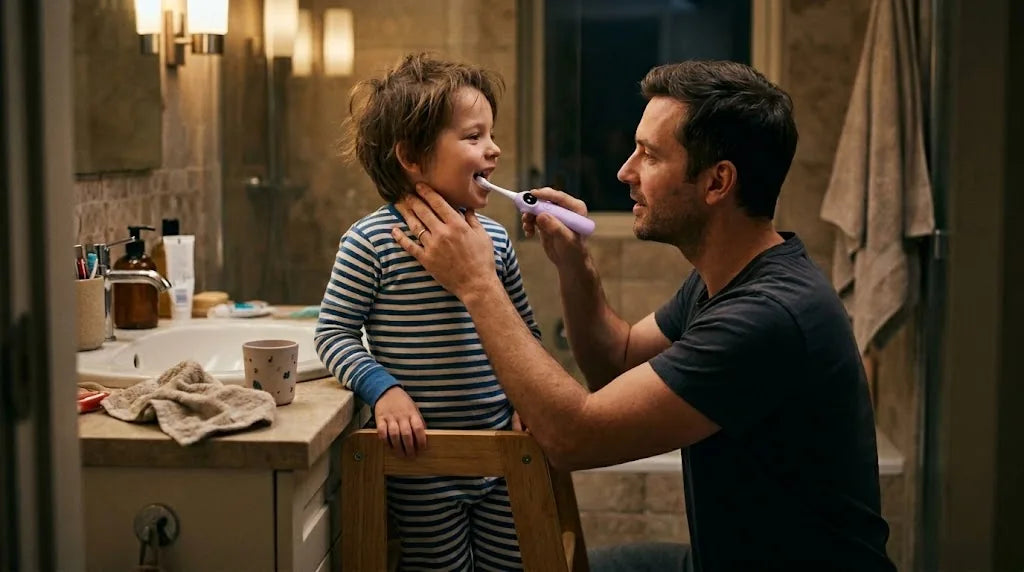
Halloween Candy Before Bed: A Kid-Friendly Cleanup Routine to Protect Kids' Teeth
I Thought My Water Flosser Made My Teeth Gaps Bigger—Here’s What May Actually Be Happening

Why Teeth Look More Spaced Out After Water Flossing