










Waterpik vs Flossing: Which Is Better for Your Oral Health?
Nobody actually likes flossing. That’s just a fact. Most people either skip it, do it twice a year right before a dental appointment, or they’ve replaced it with a Waterpik and told themselves that’s basically the same thing. It isn’t. But it’s not wrong either — and that’s where this gets interesting.
The Waterpik vs flossing debate has been running for years, and most of the articles covering it either pick a side too quickly or hedge so much they say nothing useful. So here’s the plain version: these two tools do different jobs. One scrapes. One flushes. Depending on what’s actually happening in your mouth, you might need one, the other, or both. Let’s go through it.
What a Waterpik Actually Does

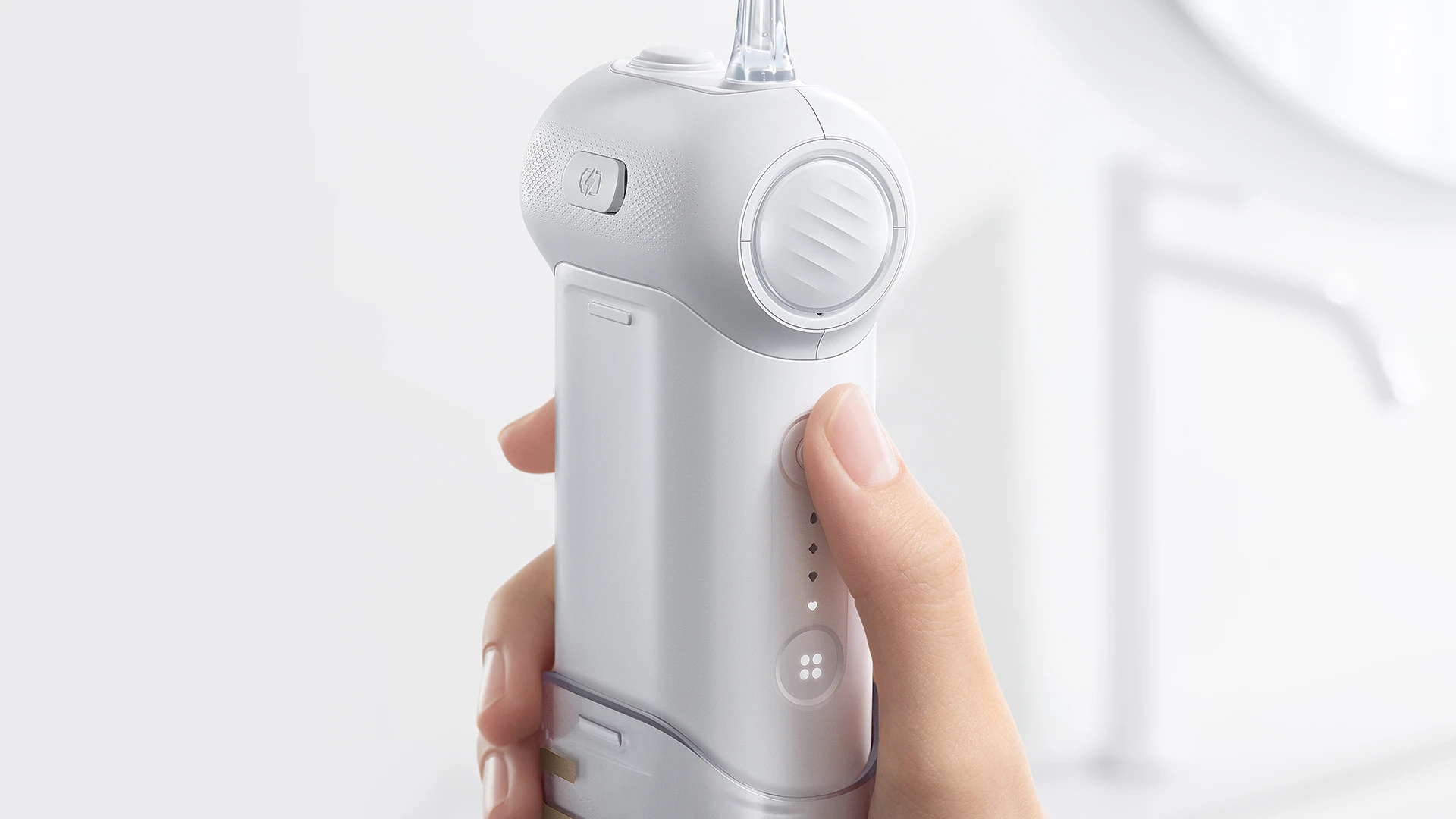
A water flossing system for cleaner teeth — more formally known as an oral irrigator — shoots a pressurized, pulsating stream of water between your teeth and under the gumline. The pulsating part matters more than most people realize. It’s not just rinsing. That rhythmic pressure creates a kind of hydrokinetic effect that disrupts bacterial colonies in ways a steady stream of water can’t. And it goes deep. String floss reaches about 3mm below the gumline on a good day. The Waterpik, used correctly at the right pressure setting, can clean up to 6mm into a periodontal pocket. If your dentist has ever mentioned that some of your gum pockets are getting deeper, this matters a lot.
The gum health numbers from clinical research are genuinely impressive. One study published in the Journal of Clinical Dentistry found that Waterpik users achieved 29% greater plaque reduction and 53% less gingival bleeding compared with people using string floss. Half the bleeding. That’s not a small margin. For people with gingivitis or anyone whose gums bleed just from a dental cleaning, the Waterpik isn’t a gadget — it’s the right tool.
Where it falls short: friction, plaque is a sticky biofilm. Water pressure can dislodge loose particles and flush bacteria from deep pockets, but it doesn’t physically scrape the biofilm off the tooth surface the way string does. Between very tight tooth contacts, that’s a real gap in coverage.
Countertop vs Portable — Which One to Get
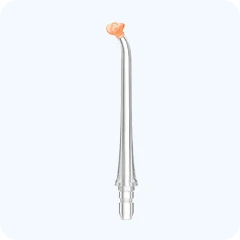
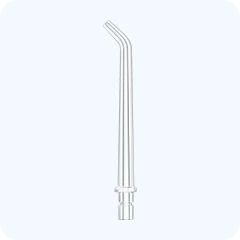
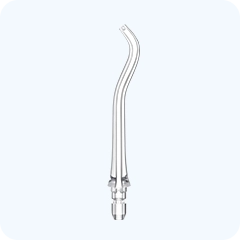
 Countertop Waterpik models have bigger reservoirs and stronger pressure settings. Good for a permanent bathroom setup. But if you travel a lot or just don’t want another appliance taking up shelf space, a portable water flosser does the same core job in a smaller form. The cleaning mechanics don’t change between the two. One thing worth checking, regardless of which model you buy, is the ADA Seal of Acceptance. Not every water flosser on the market has been tested and approved. Waterpik models from 2014 onward hold the seal. Generic alternatives often don’t.
What String Floss Actually Does

String floss does one thing that no other tool in your oral care routine does: it physically scrapes plaque off the surface of your teeth. That sounds simple, almost obvious. But it’s the whole reason dentists still push floss despite the growing popularity of water flossers. Plaque isn’t just food debris sitting loosely between your teeth — it’s a structured bacterial biofilm that sticks to enamel. Water moves it around. String removes it.
This is especially critical for preventing cavities between teeth. Interproximal cavities — the ones forming in the contact zone between adjacent molars — are almost entirely a flossing failure. The Waterpik is brilliant for gum pockets and reducing bleeding, but it doesn't scrape the tight surfaces between tooth crowns the way a string does. If you’re cavity-prone, your dentist’s insistence on flossing isn’t just a habit. There’s a specific reason.
The catch, and it’s a big one: almost nobody flosses correctly. The technique that actually works requires curving the floss into a C-shape around each tooth and scraping up and down against the surface — not just popping it between the contact points and pulling it back out. Most people do the latter. They remove the chunk of chicken from dinner but leave the biofilm intact. When done that way, flossing is much less useful than it should be.
|
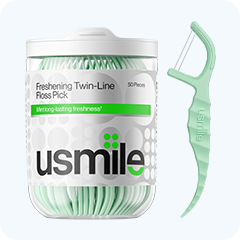
WATCH OUT Floss picks are worse than string, not better. The floss is held taut between two plastic prongs, making it physically impossible to form the C-shape around the tooth. Most people end up snapping the pick downward into the gum, which hurts, damages tissue over time, and skips the actual surface scraping. They’re fine for dislodging visible food between back teeth. They are not a substitute for proper string flossing. |
Waterpik vs Flossing — Where Each One Wins

Rather than trying to pick a single winner — which most of these comparisons force, and which isn’t really the right framing — here’s what the actual research says about each specific measure.
Plaque off the tooth surface: String floss. Friction is irreplaceable for this. Water can reduce plaque counts overall, but for the direct mechanical removal of sticky biofilm from enamel, string is more effective.
Gum bleeding and gingivitis: Waterpik—the 53% reduction in bleeding compared with string floss in clinical studies is consistent across multiple studies. The pulsating pressure stimulates gum circulation and flushes bacteria from below the gumline in a way that string can’t replicate.
Deep gum pockets: Waterpik, and it’s not close. String reaches 3mm. Waterpik reaches 6mm. If your dentist has noted pockets of 4, 5, or 6mm, the string is literally too short to clean them.
Braces, implants, bridges: Waterpik, every time. Threading string under a bridge pontic or around orthodontic brackets is miserable enough that most people stop doing it within a few weeks. The Waterpik handles that hardware without any threading.
Cavity prevention in tight gaps: String floss, still. For people whose cavities show up between posterior teeth on bitewing X-rays, water irrigation doesn’t do that specific job.
Full side-by-side:
|
Factor |
💧 Waterpik |
🧵 String Floss |
|
Plaque scraping |
Weak — water flushes, doesn’t scrape |
Strong — friction removes biofilm directly |
|
Reach below the gumline |
Up to 6mm into periodontal pockets |
Caps at around 3mm |
|
Gum bleeding/inflammation |
29–53% better reduction in clinical trials |
Good if the technique is solid and consistent |
|
Braces/implants/bridges |
Excellent — flushes hardware string can’t enter |
Painful and tedious around dental work |
|
Arthritis/grip issues |
Easy — ergonomic handle, no threading needed |
Tough — demands fine finger control |
|
Cost |
$40–$100+ upfront plus replacement tips |
Under $5, no extra maintenance |
|
Travel |
Bulky, needs charging or batteries |
Pocket-sized, always ready |
|
Cavity prevention |
Less effective between very tight tooth contacts |
Better at scraping interproximal plaque |
Which One Is Right for You

The answer actually depends on your specific dental situation. Not in a vague ‘it varies’ way — in a concrete, testable way. Look at what your dentist mentions at every checkup. If they keep talking about gum inflammation, bleeding, or pocket depth, the Waterpik is doing a more relevant job for you. If they’re consistently finding cavities between your back teeth, string floss is what you’re missing.
For most adults, the answer is both — but if you’re only going to pick one and you’re not sure, think about what’s actually gone wrong in your mouth over the past few years. Recent cavities between teeth? Get string floss and learn the proper technique. Bleeding gums, inflammation, deeper pockets? Get a Waterpik. The table below makes it more specific:
|
Your Situation |
Best Pick |
|
You’ve got braces or fixed dental work |
Waterpik — flushes wires and brackets, string won’t touch |
|
You have implants or a bridge |
Waterpik — water gets under pontics and around implant margins |
|
Your gums bleed easily,y or you’re fighting gingivitis |
Waterpik — pulsing action reduces inflammation over time |
|
Your dentist found pockets deeper than 3mm |
Waterpik — string physically can’t reach that far down |
|
Arthritis or any grip limitation |
Waterpik — no threading, much gentler on your hands |
|
Healthy gums, tight tooth contacts |
String floss — friction is what those tight gaps need |
|
Travel is constant, no room for gadgets |
String floss — no charger, no water, takes up nothing |
|
Budget is a real concern right now |
String floss — $3 every few months beats $40–$100 upfront |
|
You want the cleanest possible mouth |
Both — floss first to scrape, Waterpik second to flush deep |
Using Both Together — the Order Actually Matters

If you want the most thorough clean your bathroom routine can produce, use both. But the sequence isn’t interchangeable. It matters.
Floss first. The string breaks up and dislodges the sticky plaque biofilm. It scrapes. That’s the mechanical step; nothing else replicates. Then use the Waterpik to flush out everything the flossing loosened, clean deeper into the gum pocket than the string reached, and rinse the entire area. Brush last, with fluoride toothpaste, so the fluoride works on freshly cleaned surfaces. Brushing before flossing means that fluoride sits on top of plaque and debris rather than contacting the enamel directly. And don’t water-floss right after brushing — it rinses the fluoride off before it’s had time to absorb.
|
KEY TAKEAWAY Floss first — scrapes the biofilm off. Waterpik's second flush flushes debris and cleans the pocket. Brush last — fluoride works best on a clean surface. Takes maybe four extra minutes. Covers everything a single-tool routine misses. |
The Environmental Side of This — Worth Knowing
Standard nylon or Teflon floss isn’t biodegradable. Neither are floss picks — which are basically single-use plastic waste at scale, billions of them going to landfill every year. A Waterpik is one device that lasts for years with maintenance and produces no daily plastic waste. From a pure waste-reduction standpoint, the Waterpik wins this comparison without contest.
That said, if you prefer string and care about the environmental impact, biodegradable alternatives are now available. Silk or bamboo fiber floss in refillable glass or metal containers. Not everywhere yet, but available. It’s worth looking for if this matters to you.
FAQs
Do I Still Need to Floss If I Have a Waterpik?
Probably, but it depends on your mouth. The Waterpik handles gum pocket health, inflammation, and deep cleaning better than a string can. What it doesn’t do is scrape plaque directly off the surfaces of your teeth between tight contacts. If you’re not cavity-prone and your checkups are consistently clean, some dentists will say the Waterpik alone is enough for maintenance. If you get cavities between teeth, you still need string. Ask your dentist specifically about your interproximal cavity history — that’s the real deciding factor.
Why Don’t Dentists Recommend Water Flossers?
Most do. The ones who don’t are worried that patients will use it as a complete replacement for string and miss the mechanical scraping that water can’t do. It’s not that they think water flossers are ineffective — the ADA has given its Seal of Acceptance to multiple Waterpik models, which means independent testing confirmed they safely and effectively reduce plaque and gingivitis. The hesitation is more about patient behavior than device efficacy.
Is Waterpik Actually as Good as Flossing?
For gum health specifically, it’s often better. The 50% reduction in gingivitis and doubling of gingival bleeding improvement versus string floss in some clinical trials is genuinely significant. To prevent cavities between tight teeth, a string holds the edge. So the answer depends entirely on what ‘good’ means for your specific situation. They’re not competing for the same job.
Why Is Flossing ‘No Longer Recommended’?
It still is. In 2016, an Associated Press investigation found that the clinical evidence base for flossing was weaker than expected because many of the studies were small, short, and poorly designed. That’s a methodological critique, not a finding that flossing doesn’t work. The dental community pushed back immediately, and the recommendation hasn’t changed. That story got misread and shared out of context, and it’s been confusing ever since.
What Happens If You Don’t Floss for 20 Years?
You’re looking at periodontitis — chronic gum disease. What that actually means over two decades: bone loss under the gumline, receding gums, and teeth that eventually loosen in their sockets. It’s the leading cause of tooth loss in adults. And it’s not just a mouth problem. The bacteria involved in gum disease can enter the bloodstream through inflamed gum tissue, and the epidemiological link to cardiovascular disease is well documented. Neglecting interdental cleaning for long enough isn’t a cosmetic issue.
Why Do Dentists Say Not to Use Floss Picks?
Because they don’t let you do the technique that actually cleans, the floss on a pick is held taut between two prongs — you can’t bend it into the C-shape that wraps around each tooth and scrapes the surface. Most people end up doing a straight-line pop between the contact and pulling back out. Gets the visible food chunk, misses the biofilm. They also tend to get snapped downward into the gum tissue instead of being slid gently. Picks are fine as a better-than-nothing tool for back teeth you’d otherwise skip entirely. That’s about the limit of their usefulness.
Do Gums Grow Back After Flossing?
Depends on what caused the recession. If it’s bone loss — from periodontitis or years of untreated gum disease — gum tissue won’t regenerate without surgical treatment, because the bone support beneath it is gone. If the gums are receded from swelling and inflammation, which is what you see with gingivitis, then yes. Getting consistent with flossing can reduce the inflammation enough that the tissue tightens back against the tooth over several weeks. Your dentist can tell from a periodontal chart which situation you’re in.
What Does Overbrushing Look Like?
Three signs: gums pulling back from the teeth (recession), sensitivity to cold air or cold food that wasn’t there before, and small V-shaped notches at the base of the teeth near the gumline — those are abfraction lesions from repeated lateral force. A fourth signal that people miss: your bristles look splayed and bent before you’ve hit the three-month replacement mark. That’s your toothbrush telling you to back off. Use soft bristles. The cleaning isn’t in the pressure — it’s in the contact between bristle and gum sulcus.
Conclusion

There’s no winner here in the way most comparison articles want there to be. Waterpik handles gum health, deep pockets, and dental hardware better than string. String handles plaque scraping and cavity prevention between teeth better than water. For a lot of people, the most honest recommendation is to use both — floss first, Waterpik second, brush last. But if you’re only going to pick one, look at your last few dental checkups and figure out what your mouth actually needs. Build a healthy smile solutions routine around what’s genuinely going wrong, not around what’s most convenient or what someone on social media swears by.
Here are the references with links placed only on the key title word:
References & Resources
- American Dental Association (ADA):Floss / Interdental Cleaners — ADA position on interdental cleaning, including guidance on when water flossers are appropriate and the ADA Seal criteria for oral irrigators.
- American Dental Association (ADA):Home Oral Care / Water Flossers — ADA-backed overview confirming water flossers as a recognized and effective option for patients with braces, implants, and other dental work.
- PMC / Journal of Clinical Dentistry —Systematic Review: Water Flosser vs. Dental Floss in Adults — Review of randomized controlled trials showing water flosser users achieved greater plaque reduction and significantly less gingival bleeding than string floss users.
- PMC / BMC Oral Health (2024):Oral Irrigators in Orthodontic Patients — Systematic Review & Meta-Analysis — Systematic review in fixed orthodontic patients confirming oral irrigators effectively reduce plaque and bleeding as an adjunct or alternative to floss.
- PMC / Dentistry Journal (2019):Overview of Interdental Cleaning Aids and Their Effectiveness — Peer-reviewed evidence review covering water flossers, string floss, and interdental brushes; confirms water flossers reduce plaque, gum inflammation, and bleeding.
- Healthline:Waterpik vs. Flossing — Pros and Cons — Plain-language comparison with clinical backing, ADA usage guidance, and honest breakdown of who benefits from each approach.
- Harvard Health Publishing:Tossing Flossing? — Harvard Medical School overview, including full context on the 2016 AP report that was widely misread as recommending against flossing.
- NHS:How to Keep Your Teeth Clean — NHS guidance on daily interdental cleaning methods, technique, and when alternative tools like water flossers are appropriate.
- American Academy of Periodontology:Flossing Before Brushing — Plaque Removal Study — Press release covering the Journal of Periodontology (2018) study confirming that flossing before brushing results in greater interproximal plaque reduction; supports the floss-then-Waterpik-then-brush sequence.
- PMC:Water Flosser vs. Regular Floss — Plaque Removal Efficacy After Single Use — Randomized controlled clinical trial comparing single-use plaque removal efficacy of water flosser versus string floss in adult patients.


Looking for something else?
Best Electric Toothbrush for Teens (2026): Top Picks, Tested and Reviewed
LEARN MORE
Best Electric Toothbrush for Gum Disease (2026): 6 Picks Tested for Real Gum Protection
LEARN MORE
Electric Toothbrush on Plane: The Complete Travel Guide (2026)
LEARN MOREBest Sustainable Electric Toothbrush 2026: 5 Picks Tested for a Greener, Healthier Smile.docx
LEARN MORELooking for something else?
Best Sustainable Electric Toothbrush 2026: 5 Picks Tested for a Greener, Healthier Smile
LEARN MORE
Best Cheap Electric Toothbrush (2026): Top 5 Budget Picks That Actually Work
LEARN MORE
Ultrasonic Toothbrush vs Electric: Which Technology Wins for Your Smile?
LEARN MOREYou may also like

usmile Q30 Kids Electric Toothbrush

usmile Q30 Kids Electric Toothbrush Trio Pack


usmile C30SE Portable Dental Flosser
Y10 PRO Electric Toothbrush x C10 Portable Water Flosser
Further reading
The 5 Toothbrushing Spots Kids Miss Most—and How Parents Can Help
The Back-to-School Brushing Reset: A 14-Day Plan for Kids Ages 3–8
Behind usmile D50 OralCam Toothbrush: From Motion Tracking to Visual Intelligence in Oral Care

