If your oral care routine includes a water flosser already, you’ve probably wondered at some point whether it’s actually doing as much as that spool of string in your medicine cabinet. Ask three dentists, and you’ll get three different answers. Some treat water flossers as a nice-to-have. Others, especially when dealing with patients who have braces, implants, or deep pockets, push them harder than any other tool on their recommendation list.
Neither camp is wrong. They’re just answering slightly different questions. So let’s actually settle this — what each tool does, where each one falls short, and who should lean on which.
|
The short version
String floss is still the benchmark for cleaning tight contacts between teeth. Water flossers are significantly better around braces, implants, and gum pockets — and for people who have never flossed consistently, they’re a more realistic daily habit. Using both gives you the most thorough clean. Picking one over zero is what actually matters.
|
How Each One Works
String floss: physical contact is the point
The reason string floss has been the benchmark for so long isn’t brand loyalty — it’s mechanics. When you slide floss between two teeth and curve it into a C-shape against one tooth surface, you’re physically scraping the biofilm (plaque) off an area your toothbrush can’t reach. That scraping action is what disrupts the sticky bacterial layer before it hardens into tartar.
The ADA recommends doing it once daily, and decades of clinical evidence support it in preventing tooth decay and gum disease.
The problem: technique matters a lot, and most people don’t use great technique. Rushing through it, skipping back molars, or using a straight up-and-down motion rather than hugging the tooth surface means you’re getting maybe 60–70% of the benefit.
That’s still worthwhile — but it’s not what the research numbers assume when they call flossing effective. If you want to understand how to floss effectively, the ADA has a clear breakdown.
Water flossers: irrigation, not scraping
A water flosser does something fundamentally different. The pulsating stream flushes bacteria and food debris from between teeth and along the gumline, and reaches into areas that string simply can’t navigate — around orthodontic hardware, under bridge pontics, into gum pockets.
What it can’t do as well: remove adhered plaque at tight tooth contacts. A 2023 systematic review published in the Journal of Indian Society of Periodontology found water flossers comparable to string floss for overall plaque reduction, with notably stronger results for gingival (gum) inflammation. But the physical scraping advantage of string still holds for tight spaces between teeth.
Side-by-Side: What Each One Actually Does Better

Rather than a general verdict, here’s how the two methods compare on the factors that actually affect most people’s decisions:
|
Feature
|
String Floss
|
Water Flosser
|
|
Removes plaque at tooth contacts
|
✓ More thorough
|
Good — slightly less thorough
|
|
Cleans below the gumline
|
✓ Gets under the gum
|
Partial — surface level only
|
|
Works around braces/implants
|
Limited
|
✓ Excellent
|
|
Easier for limited dexterity
|
Difficult
|
✓ Much easier
|
|
Portable for travel
|
✓ Fits in a bag
|
Bulkier (cordless models help)
|
|
Flushes food debris quickly
|
Moderate
|
✓ Very effective
|
|
Stimulates gum tissue
|
Moderate
|
✓ Massaging effect
|
|
Cost over time
|
Low (ongoing)
|
✓ Higher upfront, lower ongoing
|
|
Requires charging / electricity
|
✓ No
|
✗ Yes
|
A few things worth flagging here. Portability is a real practical win for string floss — a tiny container fits anywhere, unlike water flossers, even cordless ones. On the other hand, the ease-of-use gap for anyone with braces, implants, crowded teeth, or limited hand mobility isn’t minor. It’s the difference between daily cleaning being possible or not.
When String Floss Has the Advantage

The main case for string floss isn’t complicated: it physically contacts the tooth surface in a way water pressure doesn’t. For the tight gaps between teeth — where cavities between teeth most commonly develop — there’s no better tool for disrupting plaque buildup.
It’s also the method with the longest clinical track record. Most large-scale studies on interdental cleaning focus on string floss, so its effectiveness is better documented than that of any alternative, including water flossers.
And practically: it’s cheap, you already have it, and it’s genuinely portable. If you’re traveling light or want to floss at your desk, a small floss container wins by default.
|
Where string floss is clearly the right call
Tight contacts between teeth with no orthodontics, no implants, and no particular dexterity issues. If you already floss consistently and your dentist isn’t flagging gum pockets or recession, there’s no compelling reason to switch your main method.
|
When a Water Flosser Is the Better Choice

The framing of water flossers as “the lazy option” misses why many dentists actively recommend them as the primary tool for specific patients. For certain situations, water irrigation isn’t just comparable to string floss — it’s better:
Braces and clear aligners.
String floss can’t reliably navigate around brackets, wires, or attachments. Water flossing reaches all of it in a fraction of the time, and the flushing action removes food debris that gets trapped in ways floss misses entirely.
Dental implants and bridges.
The space under a bridge pontic and around implant posts is nearly impossible to clean with a string. Most implant specialists specifically recommend water irrigation for this.
Gum pockets and periodontal maintenance.
Water flossers reach into shallow pockets better than a string does, which is why they show stronger results for gum inflammation in the research. If you’ve had scaling and root planing, your hygienist has almost certainly already recommended one.
Limited hand dexterity.
Arthritis, tremors, or reduced grip strength make the correct string floss technique genuinely difficult. Water flossing achieves a good clean without requiring the fine motor control that string demands.
The consistency factor.
This one doesn’t show up in clinical studies, but it matters in practice. The best flossing tool is the one you actually use every day. For people who have failed to build a string flossing habit for years, a water flosser’s speed and ease often finally make daily interdental cleaning stick.
|
From the Reddit thread on this exact debate
One of the most-upvoted comments: “String floss is best. Water floss is better than no floss.” That captures the clinical consensus well — but for anyone with orthodontic work or implants, the comparison genuinely flips.
|
What Dentists Actually Say

The Mayo Clinic’s guidance on this question positions water flossers as particularly useful for patients with braces, other orthodontic work, or difficulty using string — but notes that if you’re already using string floss without problems, there’s no reason to change.
In practice, most dentists who recommend water flossers do so as an addition to string floss, not a replacement. The phrase you hear most often is “use both if you can.” That’s not hedging — it reflects the fact that the two tools do genuinely different things and the overlap isn’t total.
Where opinions diverge: orthodontists in particular tend to push water flossers hard, while some general dentists still default to string. A lot of that comes down to the patient populations they see day to day.
|
The mistake that comes up repeatedly
Switching exclusively to a water flosser and assuming it covers everything string floss did. For adults without orthodontic appliances, this risks leaving plaque at the contact points between teeth, where cavities between teeth most commonly form. A water flosser is not a full 1-to-1 replacement for a string in that scenario.
|
How to Use Both (Without Making It a 10-Minute Ordeal)

The combined routine doesn’t have to be complicated. Here’s the sequence that makes the most of what each tool does:
|
1
|
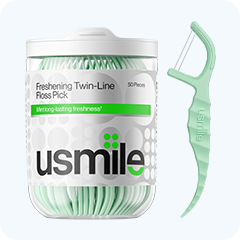
Floss first. String floss breaks up and dislodges the biofilm between teeth. If maneuvering 18 inches of string is awkward, floss picks or pre-strung flossers work fine. The physical contact is what matters, not the format.
|
|
2
|
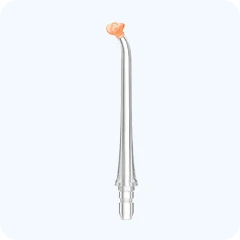
Water flosser second. This flushes out what the floss loosened, cleans along the gumline, and addresses areas the floss couldn’t reach. Aim for 90 degrees to the gumline, at a slow pace, with a brief pause at each gap.
|
|
3
|
Brush last. Brushing after interdental cleaning allows toothpaste to reach contact areas that have been cleared. Spit but skip the water rinse immediately after — letting fluoride sit on the enamel for a few minutes makes a difference.
|
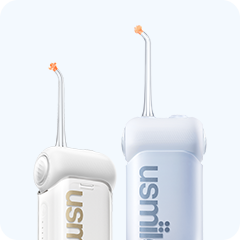
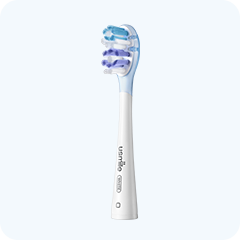
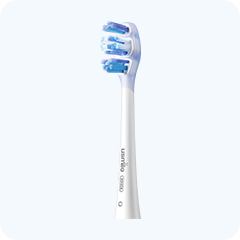
For anyone who wants both covered without the coordination overhead, a toothbrush and water flosser bundle handles both ends of the routine. It typically works out cheaper than buying each separately. Worth considering if you’re building out from scratch.
Who Should Lean More Heavily on a Water Flosser

The right balance isn’t the same for everyone. Here’s a quick read on which situations call for shifting toward more water flossing:
|
Braces & aligners
String floss can’t navigate hardware. Water flossing isn’t optional here.
|
Implants & bridges
The gap under bridge pontics and around implant posts needs irrigation, not string.
|
|
Limited dexterity
Arthritis or grip issues make it genuinely hard to achieve good string floss technique.
|
Gum disease history
Water flossers reach shallow pockets and reduce inflammation — documented clinically.
|
|
Never flossed consistently
If string floss hasn’t stuck as a habit after years of trying, this is worth swapping.
|
Crowded or tight teeth
Tight contacts that shred string floss are easier to manage with water pressure.
|
Which Is Right for You?
![]()

|
Stick with string floss if…
You have healthy gums, no orthodontic appliances, and you already floss consistently if you travel frequently or want a low-cost, zero-charging option.
|
|
Lean toward a water flosser if…
You have braces, implants, bridges, or crowded teeth. Also, if string flossing has never become a daily habit, or if you have a history of gum disease, and want to reduce the bacterial load at the gumline.
|
|
Use both if…
You want the most thorough clean. You have a mix of the situations above. Or your dentist has flagged gum pockets or early periodontal disease and recommended more comprehensive interdental care.
|
Frequently Asked Questions
What are the disadvantages of a water flosser?
The main drawbacks: it doesn’t physically scrape biofilm off tight tooth contacts the way a string does; it needs charging or a power source; it’s bulkier and less travel-friendly, even in cordless versions; and the upfront cost is higher.
Do dentists actually recommend water flossers?
Most do, with a qualifier. The standard recommendation is to use a water flosser alongside string floss rather than instead of it. For patients with braces, implants, bridges, dexterity limitations, or active gum disease, many dentists recommend water irrigation as the primary interdental tool — not just a supplement.
Is a water flosser just as good as flossing?
For gum health and overall bacterial load: comparable, sometimes better. For removing plaque at tight tooth contacts, the string still has the edge. A 2023 systematic review found water flossers equivalent to traditional floss for plaque reduction overall, with stronger results for gingival inflammation specifically.
Why is flossing no longer recommended by some sources?
This comes from a 2016 AP analysis that questioned the quality of studies behind flossing recommendations. Neither the ADA nor most dental associations changed their recommendations because of it.
What happens if you don’t floss for 5 years?
Plaque accumulates in the spaces between teeth that brushing can’t reach. It hardens into tartar, which causes gingivitis and, if left untreated long enough, progresses to periodontal disease.
Can gums grow back from flossing?
Flossing doesn’t regenerate gum tissue, but it can reverse the inflammation that causes gums to look irritated and swollen. When gingivitis clears up, inflamed, puffy, recessed-looking tissue can return to a healthier position, which can look like the gums have “grown back.
Why does it smell when I floss?
Bacteria. The gaps between teeth trap food and bacteria that decompose over time — that breakdown process is what produces the odor. A faint smell occasionally is normal.
What’s the worst thing for receding gums?
Controllable factors: brushing too hard with a medium- or firm-bristled toothbrush is at the top of the list, followed by untreated gum disease and smoking. Grinding and clenching teeth at night also accelerates recession over time.