








How To Brush Teeth Properly?
Brushing your teeth, combing your hair, washing your face — going through the motions of your daily routine is second nature to you. However, are you brushing your teeth properly? Pay close attention to these details and follow our instructions to combat plaque, clean your teeth, and maintain a healthy smile.
To brush your teeth, you'll need the following items.
Making ensuring you have the necessary tools is the first step in brushing correctly. You'll need the following items:
a toothbrush, toothpaste with fluoride, floss, and mouthwash (optional)
Every 3 to 4 months, your toothbrush should be replaced. Overuse of your toothbrush can cause the bristles to fray, reducing the effectiveness of brushing.
For most individuals, a fluoride toothpaste that has been authorized by the American Dental Association is the best option.
Fluoride protects your teeth from decay. Fluoride toothpaste should not be used by some very young children. The ADA, on the other hand, continues to suggest that:
Children under the age of three who have their first teeth can use a smear of fluoride toothpaste the size of a rice grain.
Fluoride toothpaste can be used by youngsters aged 3 to 6 years old in a pea-sized amount.
If you're concerned about your child ingesting the toothpaste, there are fluoride-free toothpastes available.
Step-by-step instructions on how to brush your teeth properly
Brushing your teeth using a normal plastic-handled, nylon-bristled toothbrush is the simplest method.
It should take roughly 2 minutes to complete the process. Practice pacing yourself until you've gotten a sense of how long two minutes seems when you're brushing your teeth.


- Using a small bit of water, lubricate your brush. Apply a small bit of toothpaste to the toothbrush's head (about the size of a pea).
- Brush your front teeth gently with short strokes while inserting the toothbrush at a 45-degree angle to your gums.
- Brush the outsides of your teeth, paying special attention to the rear molars and top chewing surfaces.
- To get the inside surface of your upper front teeth, turn the toothbrush upside down. To get the inside surface of your lower front teeth, turn it around.
- Brush your tongue to remove any bacteria or plaque that may have accumulated during the brushing process.
- Into a clean sink, spit away the toothpaste remains, saliva, and water. Finish by swishing cold water around your mouth.
A smile is synonymous with pleasure and desire, usmile’s oral care products help you show off your perfect teeth.


Looking for something else?
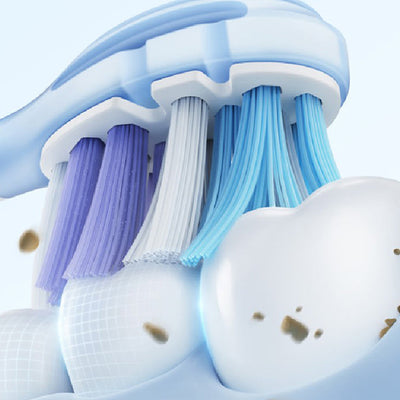
Ultrasonic Toothbrush vs Electric: Which Technology Wins for Your Smile?
LEARN MORE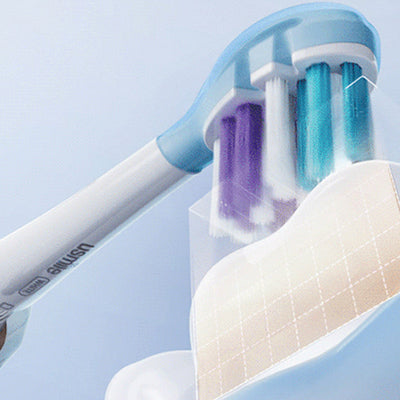
Best Electric Toothbrush for Sensitive Teeth (2026) — 5 Tested
LEARN MORE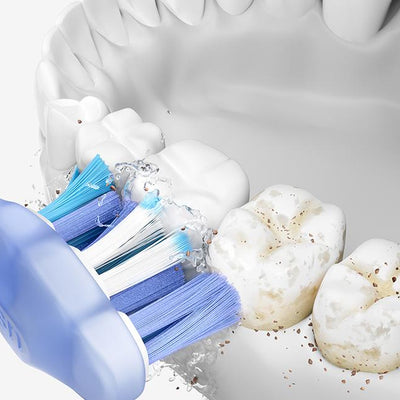
Does an Electric Toothbrush Have a Lithium Battery
LEARN MORE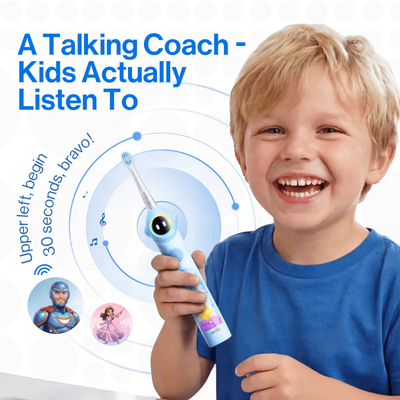
How to Make Brushing Teeth Fun for Kids Without Daily Battles
LEARN MORELooking for something else?
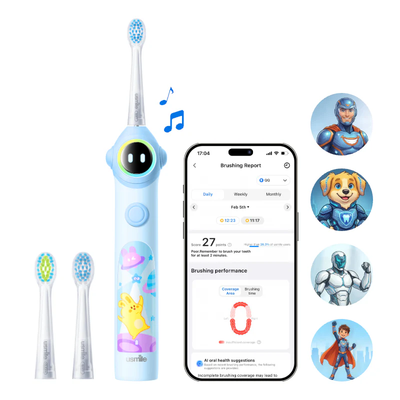
Best Toothbrush for Kids Who Hate Brushing: Parent Guide
LEARN MORE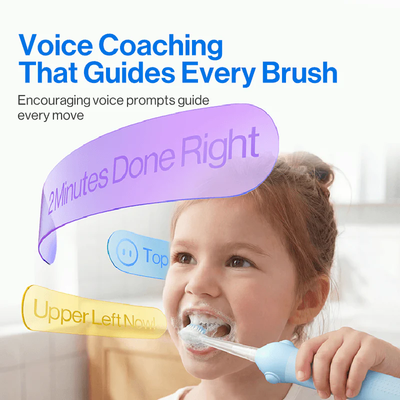
Best Electric Toothbrush for Kids: What Parents Should Look For
LEARN MORE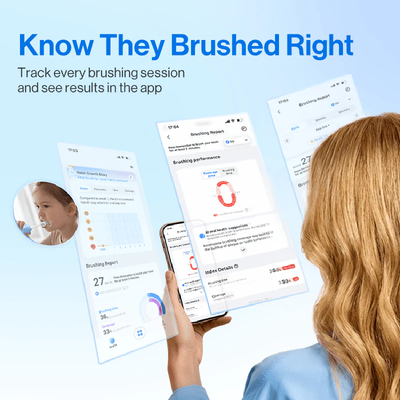
How to Get a Child to Brush Teeth Without Daily Battles
LEARN MOREYou may also like
usmile Y20 PRO Upgraded AI Electric Toothbrush
usmile P10 S Electric Toothbrush
usmile Q30 Kids Electric Toothbrush
usmile C30SE Portable Dental Flosser
usmile Q30 Kids Electric Toothbrush Trio Pack
Further reading

What Candy & Holiday Foods Can You Eat With Braces? Plus How to Get Food Out of Braces in 2 Minutes
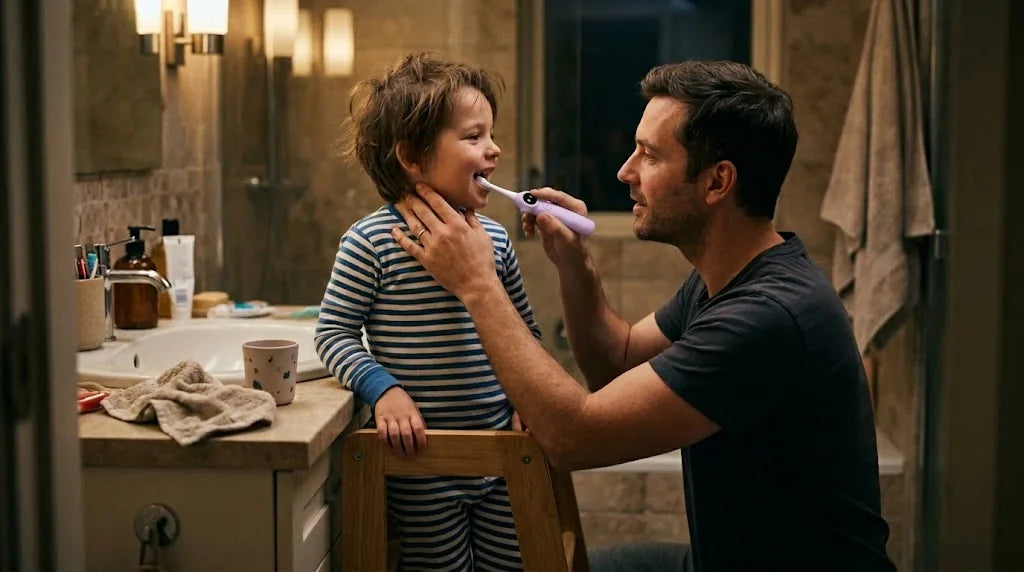
Halloween Candy Before Bed: A Kid-Friendly Cleanup Routine to Protect Kids' Teeth
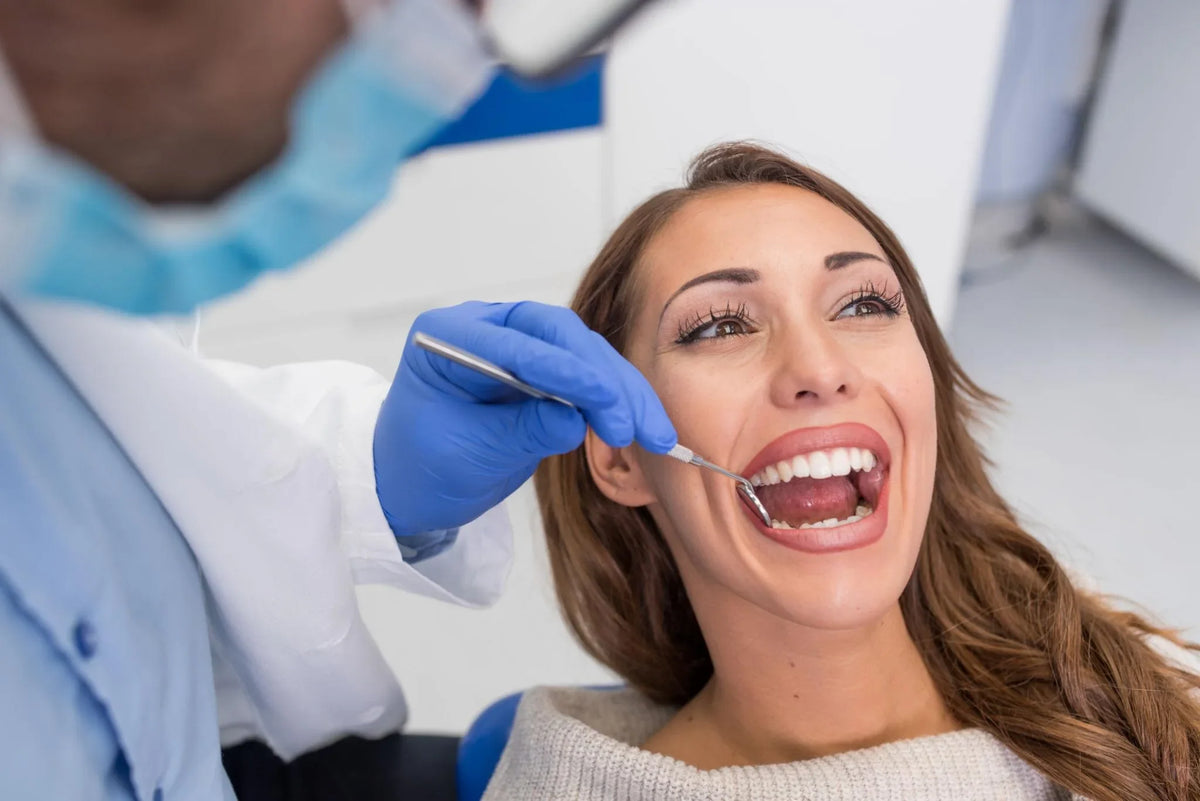
I Thought My Water Flosser Made My Teeth Gaps Bigger—Here’s What May Actually Be Happening