







Halloween Candy Before Bed: A Kid-Friendly Cleanup Routine to Protect Kids' Teeth
One night of trick-or-treating will not ruin your child's smile. When parents worry about Halloween candy and kids' teeth, the real culprit is rarely the size of the pumpkin bucket—it is what happens in the 30 to 60 minutes between the last candy wrapper and lights out.
When kids eat sweets late in the evening, sugar and food acids cling to the chewing grooves of their back molars right as their bodies prepare for sleep. Because natural saliva flow drops sharply overnight, any sugar left behind stays on the enamel for hours without a natural rinse.
If your kids are enjoying Halloween treats tonight, you do not need a complicated lecture or a bathroom standoff. Follow this four-step bedtime cleanup routine grounded in pediatric dental guidance from the American Dental Association (ADA) and the American Academy of Pediatric Dentistry (AAPD):
- Set a “Last Candy Call”: Serve evening treats right after dinner (or at least 30 to 60 minutes before bedtime) so brushing closes the kitchen for the night.
- Swish With Tap Water Right Away: Have your child drink and swish plain water immediately after their last piece to rinse away loose sugar and dilute acid.
- Follow the 30-Minute Rule for Sour Candy: Brush soon after plain chocolate or non-sour treats, but wait about 30 minutes after sour or acidic candy so softened enamel can re-harden first.
- Clean Between Teeth and Brush All 6 Zones for 2 Minutes: Pop out sticky debris between back molars, then brush for two full minutes with age-appropriate fluoride toothpaste—finishing with a quick parent touch-up for kids under age 8.
Why Halloween Candy Before Bed Is Harder on Kids' Teeth Than Daytime Treats
Every time your child eats sugar, oral bacteria feed on those carbohydrates and produce acid. Each sugar exposure puts tooth enamel into an “acid attack” window lasting roughly 20 to 30 minutes while saliva works to neutralize the pH and restore minerals to the tooth surface.
That 20-to-30-minute window explains why how often and when your child eats Halloween candy matters much more than the total number of pieces eaten at once:
- One Planned Treat Sitting vs. Evening Grazing: A child who eats four pieces of candy in one sitting right after dinner experiences a single 20-to-30-minute acid wave. Even better, eating a full meal stimulates extra saliva, which acts as a natural buffer to wash away food particles and neutralize acid, as noted by the American Dental Association (ADA) and Boston Children's Hospital. By contrast, a child who nibbles one piece of candy every half hour from 5:30 PM until 8:00 PM keeps their enamel under continuous acid attack all evening.
- The Overnight Saliva Drop: During the day, talking, chewing, and drinking water keep saliva flowing. Once your child falls asleep, saliva production slows down dramatically. If sticky caramel or gummy residue is still sitting in the grooves of their back molars at bedtime, cavity-causing bacteria have an uninterrupted eight-to-ten-hour window to produce acid with very little saliva to buffer it.
One festive night does not cause a cavity on its own. Cavities develop when unbrushed sugar sits on teeth night after night during the weeks following Halloween.
Not All Treats Clean Up the Same: How Different Halloween Candies Affect Bedtime Brushing
Sorting the trick-or-treat stash is not about labeling foods as “bad”—it is about knowing which textures cling to teeth and which ones require different timing before your child picks up a toothbrush.

Sticky and Gummy Candies (The Molar Groove Traps)
Caramels, taffy, gummy bears, fruit chews, and candy corn are the toughest Halloween treats to clean off before bed. Pediatric dentist Dr. Matthew Harper at Boston Children's Hospital points out that gummy candies and fruit snacks press deep into the pits and fissures of back molars—and can often still be seen wedged in those grooves even after a child brushes. Because sticky sweets resist saliva, they keep sugar pressed directly against enamel until bristles and floss physically remove them.
Sour Candies (The Double Hit of Sugar + Dietary Acid)
Sour gummies, sour belts, and tangy powders deliver a double challenge. Beyond feeding acid-producing bacteria with sugar, sour treats are coated with dietary acids (such as citric, malic, or tartaric acid) that directly soften protective tooth enamel on contact, according to the ADA Halloween Survival Guide. Because the enamel surface is temporarily softened right after eating sour candy, scrubbing immediately with a toothbrush can wear down that vulnerable outer layer before saliva has had time to re-harden it.
Hard Candies, Lollipops, and Plain Chocolate
Hard candies, lollipops, and jawbreakers dissolve slowly over many minutes, bathing the teeth in a steady stream of sugar while creating a real risk of chipped or cracked enamel if a child bites down too early. Plain milk or dark chocolate, on the other hand, is widely considered by pediatric dentists to be the easiest Halloween treat on kids' teeth. Chocolate melts quickly at mouth temperature and rinses off molar surfaces far more easily than caramel or gummies—and dark chocolate contains less sugar overall (ADA).
| Candy Category | Enamel & Molar Risk Level | Immediate Post-Candy Action | When to Brush Before Bed | Primary Bedtime Focus Area |
|---|---|---|---|---|
| Plain or Dark Chocolate | Lower Risk: Melts quickly; clears from enamel faster than sticky treats. | Drink and swish plain tap water. | Brush anytime after rinsing or at normal bedtime. | Standard 2-minute brush across all 6 mouth zones. |
| Sticky & Gummy Candies (Caramels, taffy, gummies, fruit chews) | High Risk: Wedges tightly into deep molar grooves and between teeth. | Swish vigorously with water to loosen surface sugar. | Brush soon after; do not let residue sit overnight. | Floss between back molars first; spend extra strokes on chewing grooves. |
| Hard Candies & Lollipops | High Risk: Prolonged sugar bath while dissolving; biting can chip or crack teeth. | Swish with water; check for any stuck crunchy fragments. | Brush soon after once dissolved pieces are rinsed away. | Check molar biting surfaces and inspect for any chipped enamel. |
| Sour & Acidic Candies (Sour gummies, sour powders, tangy chews) | Very High Risk: Sugar plus dietary acids temporarily soften surface enamel. | Swish thoroughly with plain water right away to buffer acid. | Wait ~30 minutes before brushing so enamel can re-harden. | Gentle bristles only; floss between teeth if sour candy was also chewy. |
Important Safety & Appliance Exceptions: For toddlers and preschoolers under age 4, hard candies, lollipops, gum, caramels, and firm gummies pose serious choking hazards and should be sorted out of their bucket before they dig in. Children wearing orthodontic braces, expanders, or retainers should also skip sticky taffy, caramels, and hard candies, which can bend archwires, pop brackets loose, and trap sugar behind hardware.
4 Steps Bedtime Cleanup Routine After Halloween Candy
A smooth Halloween night cleanup does not require scrubbing harder—it requires doing simple steps in the right order so enamel stays protected and bedtime stays calm.
Step 1 — Set a “Last Candy Call” (Ideally With Dinner)
The easiest way to prevent a 9:00 PM toothbrushing battle is to anchor Halloween candy to dinner or an early-evening “candy window.” Serving two or three favorite pieces right after dinner takes advantage of mealtime saliva and naturally builds in a 30-to-60-minute buffer before bedtime. Make the household rule clear before trick-or-treating starts: once bedtime toothbrushing is done, the candy bucket goes out of sight until tomorrow.
Step 2 — The Immediate Tap-Water Swish (and Optional Sugar-Free Gum for Older Kids)
As soon as your child finishes their last piece of candy, hand them a glass of plain tap water and teach them to swish it around their mouth for 5 to 10 seconds before swallowing. The American Academy of Pediatric Dentistry (AAPD) specifically recommends fluoridated tap water because it washes away loose sugar while delivering low-level fluoride that supports tooth remineralization.
If your child is old enough to chew gum safely without swallowing it (never for toddlers or preschoolers under age 4), chewing a piece of sugar-free gum with the ADA Seal of Acceptance for 20 minutes after treats is another dentist-approved bridge that stimulates protective saliva flow (ADA).
Step 3 — Check the Clock: Brush Now vs. The 30-Minute Wait Rule
Parents often hear conflicting advice about whether kids should brush immediately after eating candy or wait half an hour. Both rules are true—they just apply to different candies:
- Track A (Plain Chocolate & Non-Sour Treats): If your child ate plain chocolate, peanut butter cups, or non-acidic sweets, rinsing with water and brushing soon afterward (or right before pajamas) is completely safe and clears sugar before bacteria can ferment it.
- Track B (Sour Candies & Acidic Treats): If your child ate sour gummies, sour powders, or drank acidic juice or soda with their candy, have them swish with plain water right away, then wait about 30 minutes before brushing. That 30-minute pause gives saliva time to neutralize dietary acids and re-harden softened enamel so toothbrush bristles do not abrade the tooth surface.
Step 4 — Clear Between Teeth Before Brushing
Toothbrush bristles cannot reach the tight contact points between two adjacent back molars—the exact spot where gummy bears and taffy get pinched. Clearing between teeth before brushing opens those spaces so fluoride from the toothpaste can coat the interdental enamel.
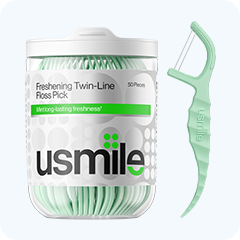
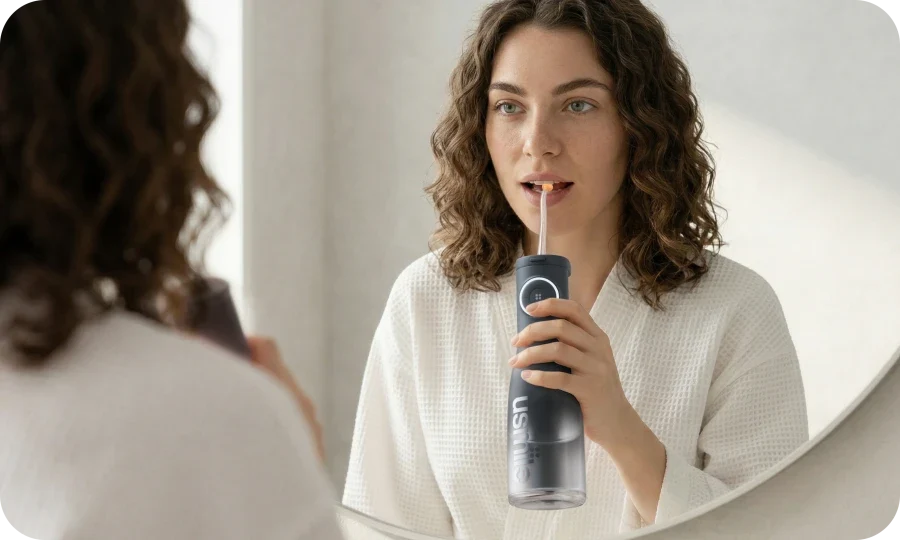
For younger children (ages 3 to 7) whose molars touch, parents can quickly slide a kid-friendly plastic floss pick between the back teeth. For older kids, tweens, or children wearing braces and orthodontic expanders, using a cordless water flosser on a gentle pressure setting is a fast, low-friction way to flush softened caramel and gummy bits out from around brackets and tight molar spaces before picking up the toothbrush.
Step 5 — The 2-Minute Fluoride Brush Focused on All 6 Mouth Zones
Finish the cleanup with a full two-minute brush using a soft-bristled toothbrush and fluoride toothpaste. Follow the official dosage guidelines from the AAPD and the CDC:
- Under age 3: Use only a tiny smear of fluoride toothpaste the size of a grain of rice.
- Ages 3 to 6 (and older): Use no more than a pea-sized amount of fluoride toothpaste.
Guide the brush across all six mouth zones—upper right, upper front, upper left, lower left, lower front, and lower right—making sure to angle the bristles along the gumline and spend extra gentle strokes on the grooved chewing surfaces of the back molars. For children old enough to spit reliably, encourage them to spit out the excess foam at the end without gulping down large mouthfuls of rinse water, leaving a thin protective trace of fluoride on the enamel overnight.
Age-by-Age Bedtime Brushing Guide (Plus What to Do When Kids Are Exhausted)
A 4-year-old and an 11-year-old need very different kinds of support after a night of Halloween candy. Matching your bedtime approach to your child's motor skills prevents frustration on both sides.

Ages 3–5 (Preschoolers) — Playful Guidance + Full Parent Finish
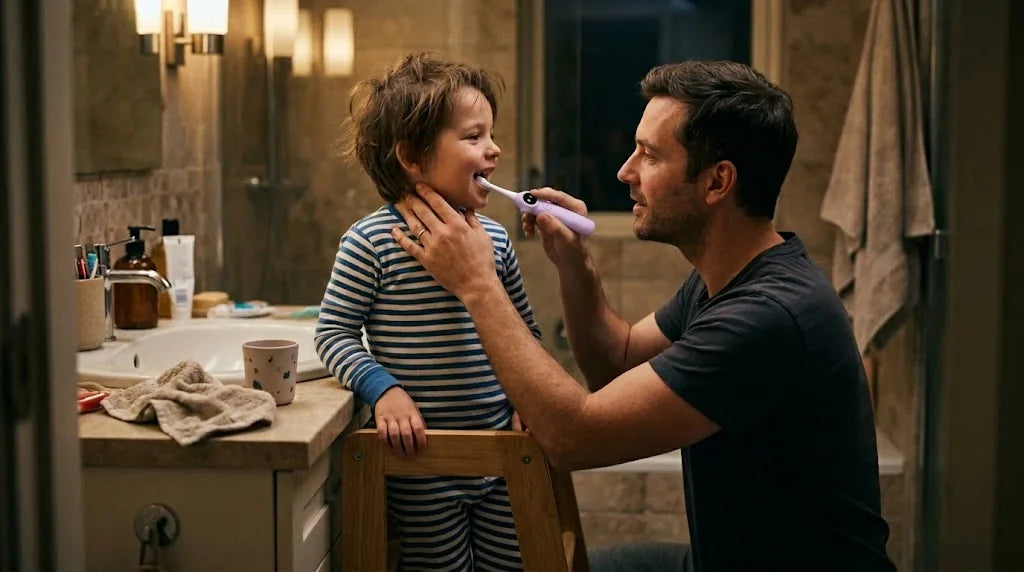
Preschoolers love independence, and letting them hold the toothbrush first builds confidence. However, children aged 3 to 5 do not yet have the wrist dexterity to clean deep molar pits on their own. Let your preschooler take the first turn for 30 to 60 seconds, then step in for the “parent finish” to clean the back molars and run a floss pick between tight teeth.
Ages 6–8 (Early Elementary / Mixed Dentition) — Co-Brushing & The “Molar Check”
Between ages 6 and 8, children are losing baby teeth while their “six-year molars” (first permanent molars) erupt at the very back of the mouth. These new permanent molars have deep, narrow chewing grooves where sticky Halloween candy loves to hide, and their crowns sit slightly lower than baby teeth while erupting—making them easy for kids to miss. Pediatric dentists recommend that parents continue supervising and doing a quick follow-up check on brushing until at least age 8.
Ages 9–12 (Tweens & Orthodontic Wearers) — Independent Brushing with Accountability
By ages 9 to 12, most kids have the motor coordination to brush independently, but a late-night sugar rush often leads to rushed 30-second brushing. At this stage, shift your role from hands-on brushing to accountability: use a two-minute timer or brushing coverage report, remind them to clean around newly erupting premolars, and pair a sonic electric brush with a gentle water flosser if they wear braces, palatal expanders, or retainers that trap chewy candy.
The “Overtired Halloween Night” 2-Minute Reset
What if you get home late from trick-or-treating and your 4-year-old is already on the verge of tears? An overtired holiday night calls for a calm, realistic reset rather than an all-or-nothing battle:
- Move Brushing Earlier on Candy Nights: You do not have to wait until 10 minutes before lights out to brush. Have your kids eat their Halloween treats right after dinner, drink water, and brush their teeth during bath time or right after putting on pajamas—while they still have energy.
- Use the 60-Second “Molar Rescue” When Exhausted: If your child is already half-asleep after a late Halloween event, skip the long bathroom negotiation. Have them take a few sips of water, then do a calm 60-second parent-assisted brush with a pea-sized dab of fluoride toothpaste focused squarely on the back molar chewing surfaces. You can even bring a damp washcloth and an empty cup to their bedside so they can spit without standing at the sink.
How the Right Kids' Electric Toothbrush Makes Post-Candy Cleanup Easier
When kids are tired after a night of costumes and candy, two minutes at the bathroom sink can feel like forever—and manual brushing often turns into kids chewing on the bristles while missing their back molars entirely.
What to Look For in an Electric Toothbrush for Kids
Cleaning sticky Halloween treats off young teeth requires more than stiffer bristles or harder scrubbing. When choosing an electric toothbrush for kids, three practical details make the biggest difference at bedtime:
- A Compact Brush Head That Reaches Back Molars: Gummy candy and caramel almost always wedge into the back chewing teeth, where space is tight and six-year molars may still be erupting. A small, kid-proportioned brush head with ultra-soft bristles slips easily into the back corners of a child's mouth without bumping tender gums or wiggly baby teeth.
- Gentle Sonic Vibrations Instead of Hard Scrubbing: When children try to scrub sticky residue off with a manual brush, they tend to either press too hard on enamel that was recently exposed to sugar and acid or barely skim the tooth surface. Gentle sonic micro-vibrations help sweep softened plaque and sugar out of deep molar pits without requiring heavy hand pressure.
- Zone-by-Zone Coaching Beyond a Basic Buzz: Even with a standard two-minute timer, tired kids frequently spend the entire session brushing only their front teeth. A talking toothbrush for kids that guides them from one section of the mouth to the next keeps their attention on the back molars that actually did the chewing—and helps parents see whether any spots were skipped.
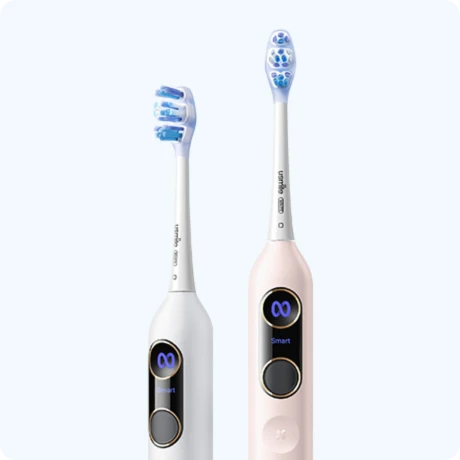
Turning Bedtime Resistance Into a Guided Routine with the usmile Q30
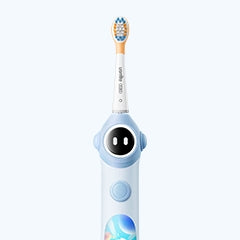
Designed specifically for ages 3 to 12—with core habit-building guidance tailored for the crucial 3-to-8 age window—the usmile Q30 Kids Electric Toothbrush turns post-candy cleanup from a nightly nagging match into an interactive routine kids can follow step by step:
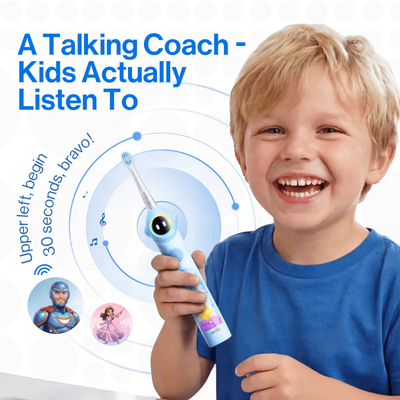
- A Talking Brushing Coach Powered by Bone Conduction Audio: Instead of leaving kids to guess where to brush next, the usmile Q30 Kids Electric Toothbrush uses AI voice guidance and cheerful background music to coach children across their teeth. Because the Q30 transmits sound through bone conduction technology, the voice and music are quiet in the air and become clear and audible only when the brush head is in proper contact with the teeth—naturally motivating kids to keep brushing rather than waving the brush around. Kids can even shake the handle to switch between fun voice buddies.
- 6-Axis Smart Motion Sensing & 6-Zone Missed-Spot Reminders: Equipped with 6-Axis Smart Motion Sensing and a built-in 2-minute timer, the Q30 tracks brushing across all 6 mouth zones. If your child spends the whole session on their front teeth and forgets the back molars where Halloween gummies hide, real-time missed-spot reminders prompt them to go back and finish the job.
- Optional Parent App for Smarter Touch-Ups: While the Q30 works standalone without a phone, pairing it with the optional parent app lets you review brushing time and 6-zone coverage reports. For kids under age 8 who still need dentist-recommended parental follow-up, you can see the exact zone they missed and complete a targeted 15-second parent touch-up without starting from scratch.
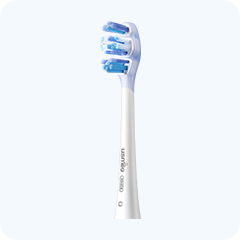
- Tiny Soft Brush Heads & 90-Day Battery Life: Every Q30 comes with two ergonomic tiny brush heads (Children's Anti-Cavity Cleaning Brush Head ×1 and Children's Anti-Cavity Gum Care Brush Head ×1) tested to EU RoHS and REACH safety standards with ultra-soft bristles for developing enamel and wiggly teeth. Its IPX8 waterproof body is ready for bath-time brushing, and a single 4-to-5-hour Type-C charge powers the 2500mAh battery for up to 90 days.
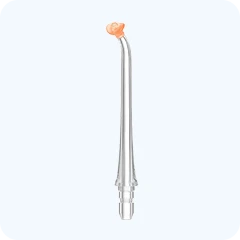
For parents who like to model the bedtime routine right alongside their children—or families with an older child in braces who needs extra help flushing sticky candy from brackets—the usmile C10 Water Flosser x Q30 Kids Electric Toothbrush bundle pairs the Q30 talking coach with a compact, adjustable-pressure cordless water flosser and twin-line floss picks.
When a Candy Mishap Needs a Dentist Visit (Warning Signs to Watch For)
Most Halloween candy concerns are solved with water, floss, and two minutes of fluoride brushing. However, biting down on jawbreakers or pulling on sticky taffy can occasionally cause acute dental issues. Call your pediatric dentist promptly if you notice any of these warning signs:
- A visible chip, crack, or sharp edge on a tooth after biting into hard candy or lollipops.
- A permanent tooth that suddenly feels loose, or a baby tooth that was wrenched loose prematurely with bleeding that does not stop after a few minutes of gentle gauze pressure.
- A lost filling, loosened dental crown, or bent/detached orthodontic bracket or wire caused by sticky caramel or taffy.
- Lingering toothache or sensitivity to hot, cold, or sweet foods that lasts more than 24 hours after Halloween night, or chalky white or brown spots developing in the grooves of back molars.
If it has been more than six months since your child's last dental checkup, scheduling a routine post-Halloween cleaning in November is also a smart way to check on six-year molars and ask whether protective dental sealants make sense for your child.
Frequently Asked Questions About Halloween Candy and Kids' Teeth
Should kids brush their teeth immediately after eating Halloween candy?
It depends on the type of candy. For plain chocolate and most non-sour sweets, rinsing with water and brushing soon afterward is safe and helpful. However, if your child ate sour candy or drank acidic beverages, have them swish with plain water right away and wait about 30 minutes before brushing so softened enamel can re-harden first.
What is the best and worst Halloween candy for kids' teeth?
According to the American Dental Association (ADA), plain milk or dark chocolate is one of the gentlest choices because it melts quickly and rinses off teeth easily. The hardest candies on teeth are sticky and gummy treats (which wedge into deep molar grooves), hard candies and lollipops (which bathe teeth in sugar for a long time and can chip enamel), and sour candies (which combine sugar with enamel-eroding dietary acids).
What if my child falls asleep on Halloween night before brushing?
To prevent this on busy trick-or-treat nights, serve candy with dinner and move toothbrushing up to bath time or right after putting on pajamas before exhaustion sets in. If your child truly falls sound asleep before brushing on a rare holiday night, do not panic—brush for a thorough two minutes with fluoride toothpaste and clean between their molars first thing in the morning, then return to your normal “brush before bed” schedule the next evening.
Can a talking toothbrush for kids replace parent help at bedtime?
No toothbrush replaces parent involvement for young children, and it shouldn't try to. Dentists recommend that children under age 8 receive parental supervision or touch-up help while their fine motor skills develop. A guided brush like the usmile Q30 Kids Electric Toothbrush works with parents: the talking coach teaches kids to brush all six mouth zones for two full minutes on their own, and the optional parent app shows you any missed spots so your final parent check takes seconds instead of a struggle.
Keep the Halloween Magic, Skip the Bedtime Brushing Battle
Halloween is meant to be joyful, and protecting your child's smile does not mean banning the trick-or-treat bucket. By serving sweets with dinner, swishing with tap water, respecting the 30-minute wait after sour treats, and making the final two-minute brush something your child actually looks forward to, you can keep both the holiday fun and their enamel intact.
Ready to make post-candy cleanup easier on Halloween night and all year round? Explore the usmile Q30 Kids Electric Toothbrush Bundles or browse the full usmile Kids Electric Toothbrush Collection to find a talking brushing coach built for growing smiles.
Medical Disclaimer: This article is for general educational and informational purposes only and is not a substitute for professional pediatric dental advice, diagnosis, or treatment. Always consult a qualified dentist or healthcare provider regarding your child's specific oral health needs, fluoride use, or any dental injury or pain.


Looking for something else?
Best Cheap Electric Toothbrush (2026): Top 5 Budget Picks That Actually Work
LEARN MORE
Ultrasonic Toothbrush vs Electric: Which Technology Wins for Your Smile?
LEARN MORE
Best Electric Toothbrush for Sensitive Teeth (2026) — 5 Tested
LEARN MORE
Does an Electric Toothbrush Have a Lithium Battery
LEARN MORELooking for something else?
How to Make Brushing Teeth Fun for Kids Without Daily Battles
LEARN MORE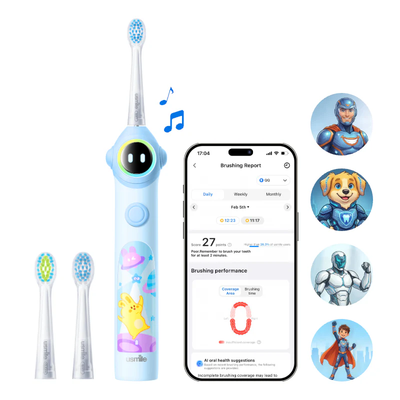
Best Toothbrush for Kids Who Hate Brushing: Parent Guide
LEARN MORE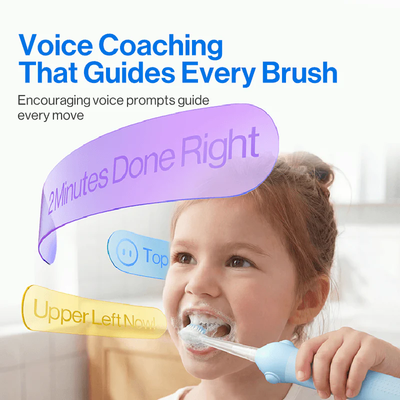
Best Electric Toothbrush for Kids: What Parents Should Look For
LEARN MOREYou may also like

usmile Q30 Kids Electric Toothbrush

usmile C30SE Portable Dental Flosser

usmile Q30 Kids Electric Toothbrush Trio Pack

Y10 PRO Electric Toothbrush x C10 Portable Water Flosser
Further reading
Halloween Candy Before Bed: A Kid-Friendly Cleanup Routine to Protect Kids' Teeth
I Thought My Water Flosser Made My Teeth Gaps Bigger—Here’s What May Actually Be Happening
Why Teeth Look More Spaced Out After Water Flossing