



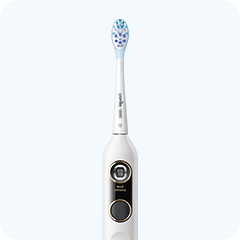


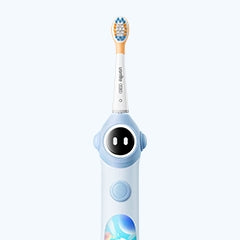


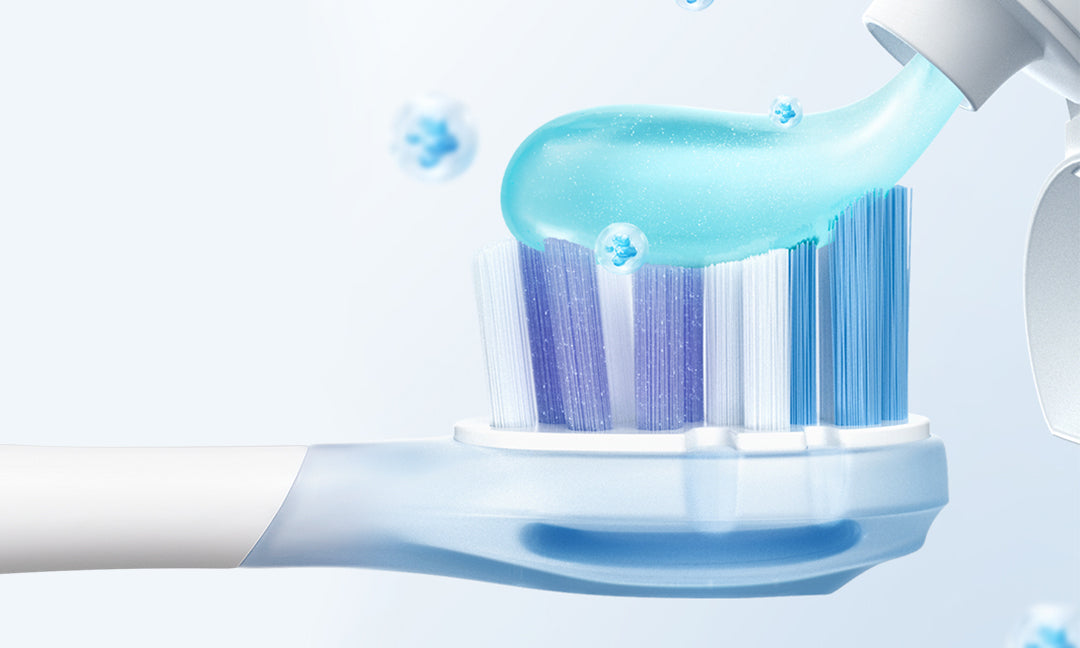
Electric Toothbrush vs Manual: Which Is Better for Your Oral Health?
Walk down the dental care aisle at any drugstore, and it’s a lot. Bluetooth brushes. AI tracking. Pressure sensors. Thirty-second quadrant alerts. And right there next to all of it, a $2 manual toothbrush in a paper sleeve, the same design it’s been for the last fifty years.
So which one’s actually worth it?
Short version: electric is better for most people, most of the time. But the full story is a bit messier than that, and anyone who gives you a clean one-sentence answer is probably selling something. The manual toothbrush isn’t the relic some dental brands want it to be. And the electric toothbrush isn’t magic. What actually matters is the habit — and which tool makes it easier to keep.
How They Each Work — and Where the Difference Actually Is

Both brushes do the same job. They remove food, disrupt bacterial films, and clean the gum margins. The difference is in how much of that you’re responsible for.
Manual Toothbrush
A manual brush does exactly what you make it do. Nothing more. You control the angle, the pressure, the time, and whether you actually hit the back teeth or just sort of gesture toward them. Get all of that right — soft bristles, 45 degrees, full two minutes, proper coverage — and it works well. Clinical studies from the NIH back that up.
The problem? Most people don’t get all of that right. Research estimates that the average person removes about 50% of the plaque on their teeth during a typical brushing session. Most brush for 45 seconds and think they’ve done two minutes. A lot of people use too much pressure and wear their gums down without ever knowing. The manual toothbrush is a good tool. It’s just unforgiving of bad habits.
Electric Toothbrush
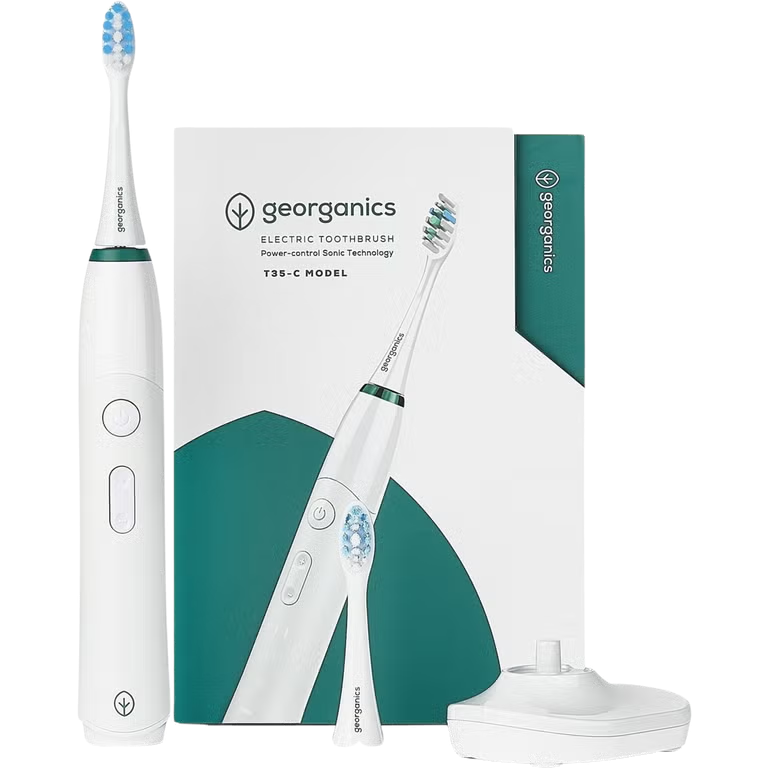
An electric brush — sonic, oscillating, or rotating — takes the mechanical part off your hands. You position it and move it through the mouth. The motor handles the actual cleaning motion. That sounds simple, but it’s a significant shift. The motor runs at the same quality every session, whether you’re tired, rushing, or barely awake at 11 pm.
Sonic brushes hit 30,000+ strokes per minute. At that frequency, there’s a secondary fluid effect — a kind of micro-agitation in your saliva that disrupts plaque even in spots the bristles don’t physically reach. Oscillating-rotating models spin a small round head in precise circles, which research has consistently found to be particularly effective along the gumline. Both types outperform the average manual brushing session. The reason isn’t just speed — it’s consistency.
Electric vs. Manual — At a Glance:
|
Factor |
⚡ Electric Toothbrush |
✍ Manual Toothbrush |
|
Plaque removal |
Up to 70% more in hard-to-reach spots |
Effective — if the technique is correct |
|
Brushing time |
Built-in timer keeps you honest |
You’re guessing. Most people stop at 45 seconds. |
|
Pressure control |
The sensor slows the motor if you push too hard |
No feedback. Gum damage is often self-inflicted. |
|
Ease of use |
Motor handles the motion. You just steer. |
Requires wrist control and consistent technique |
|
Cost upfront |
$30–$200+ for a rechargeable model |
Under $5. No charging needed. |
|
Cost long-term |
Brush heads every 3 months (~$10–$15) |
Replace the whole brush every 3 months (~$2–$5) |
|
Travel |
Bulkier. Needs charging. |
Throws right in the bag. Zero faff. |
|
Best for |
Kids, elderly, braces, inconsistent brushers |
Disciplined brushers with good technique |
What Electric Toothbrushes Actually Do Better
The evidence is solid here. The 2014 Cochrane Collaboration review — 56 clinical trials, over 5,000 participants — found that electric toothbrush users had 11% less plaque at 1 to 3 months and 21% less after 3 months or more. Gingivitis was 6% lower at the short mark and 11% lower at three months-plus. A German 11-year study following nearly 3,000 adults found that electric toothbrush users retained 19% more teeth and had significantly lower rates of periodontal disease progression over time. These aren’t cherry-picked stats. Among rechargeable toothbrushes, the models with built-in timers and pressure sensors show the strongest long-term impact on brushing habits.
The Timer Is More Important Than You Think

Ask someone how long they brush, and they’ll say two minutes. Ask a dental hygienist how long most patients actually brush,h and she’ll say 45 seconds. Maybe a minute. The built-in timer on an electric brush is not a gimmick. It’s one of the most practically impactful features on the whole device because it removes the one variable people reliably get wrong.
The quadrant pacer — the buzz every 30 seconds telling you to move to the next section of your mouth — means you spend actual time on your molars instead of spending 90% of your session on the front teeth and waving in the general direction of the back ones.
Pressure Sensors Stop Damage You Don’t Know You’re Doing

A lot of gum recession isn’t from disease. It’s from years of brushing too hard. People do it thinking harder means cleaner. It doesn’t. It gradually wears away gum tissue, and by the time a dentist points it out, it’s already been happening for years. An electric brush with a pressure sensor slows the motor or changes the indicator light when you’re pushing too hard. That’s real feedback, in real time, every single session. A manual brush gives you nothing.
Better for Specific Situations
Some people need electricity more than others. Older adults with arthritis often can’t maintain the wrist motion needed to brush properly with a manual brush—kids who rush through their routine benefit from the timer and automated action. People with braces benefit enormously — the vibrations dislodge debris around brackets in a way that manual bristles miss. If any of those situations apply to you or someone in your household, the electric brush isn’t a luxury. It’s the right tool.
The Manual Toothbrush Deserves a Fairer Assessment
Manual brushes are often dismissed in these comparisons, and it’s not entirely fair. They’ve worked for generations. They’re accessible at any price point. And when used right, they hold up.
The Cost Argument Is Real

A decent manual toothbrush costs under $3. No charging, no replacement head schedule to track, no dead battery on a Tuesday night. For families managing a household budget, that accessibility matters. The best oral hygiene routine is the one people actually follow, and cost is a real barrier for many. If an electric toothbrush sits uncharged on the counter because someone keeps forgetting to plug it in, a manual toothbrush used twice a day is the better outcome.
Travel Is Genuinely Easier
Manual brushes go everywhere. No charging adapter, no battery-life anxiety, no figuring out whether the hotel bathroom has a suitable outlet. Plenty of dental hygienists use manual brushes as their personal choice — not because they don’t know better, but because a well-executed manual routine is a perfectly valid approach. It’s only worse than electric when the execution is poor.
Technique Closes the Gap — When Applied
Here’s the part the electric brands don’t want to put in the headline: the reason electric brushes outperform manual ones in most studies is that they enforce better technique by default. The University of Iowa cites ADA research showing that three months of electric toothbrush use reduces plaque by 21% and the risk of gingivitis by 11%. The underlying reason isn’t the motor alone — it’s that the motor makes you brush for the right amount of time with the right motion. Give a manual brusher proper supervised technique, and the gap shrinks considerably.
|
WATCH OUT Replacing your brush matters more than most people account for. A manual brush with splayed bristles can’t clean the gumline properly — it just moves bacteria around. Same with electric heads. Three months maximum, or as soon as the bristles look worn. If they’re fraying before two months, you’re pressing too hard. |
A Few Myths Worth Clearing Up
"Manual Is Just as Good"
Under controlled, supervised conditions — sure, that’s true. The NIH studies that show manual brushes perform comparably to electric ones are conducted with correct technique and monitored brushing times. That’s not how most people brush at 7 am before work. In real-world conditions, with real people brushing how they actually brush, electric wins. The gap exists mainly because it’s hard to brush well with a manual brush every single time. The electric one handles the consistency problem.
"Electric Brushes Are Too Expensive"
The entry price for a basic rechargeable model from a reputable brand is around $25 to $40. Replacement heads cost $10 to $15 for a four-pack. Spread over a year, you’re paying maybe $3 or $4 more per month than buying manual brushes. A single filling runs $150 to $300, depending on where you live. The math really isn’t close.
"You Need a High-End Model to Get the Benefits"
You don’t. The features that actually move the needle — a built-in two-minute timer, soft replaceable brush heads, consistent motor output — are present in mid-range models. The Bluetooth connectivity, real-time app coaching, and AI tracking on premium models are genuinely useful for some people, but they’re not what makes the brush clean better. A $35 rechargeable model with a timer does the essential job.
The 3-3-3 Rule for Brushing — What It Is and Who It’s For

Most people know the standard recommendation: brush twice a day, two minutes each, and see your dentist twice a year. That’s the 2-2-2 rule, and it’s the baseline.
The 3-3-3 rule adds more structure. Brush three times daily — after breakfast, after lunch, and before bed. Brush for three minutes per session instead of two. Clean three surfaces of every tooth: front, back, and the chewing surface. It’s designed for people who are cavity-prone, dealing with active gum issues, or just want to be more deliberate about their oral care. The extra brushing session after lunch reduces the window during which bacteria produce acid between meals. The extra minute per session is where the inner surfaces of back teeth actually get attention instead of being rushed.
Neither rule guarantees anything on its own. Consistency and technique matter more than the number you’re aiming for. But the 3-3-3 framework removes ambiguity for people who need a clear target.
So Which One Should You Actually Get?
Depends entirely on your habits. Be honest with yourself here — not about how you plan to brush, but about how you actually brush right now.
What Your Situation Tells You

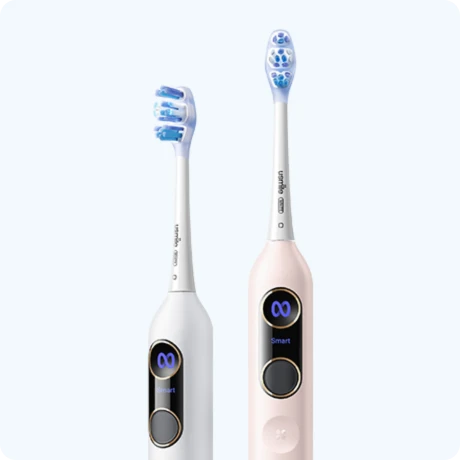
If you rush, skip the timer, push hard against your teeth, or consistently miss the back molars, get an AI-powered electric toothbrush for deep cleaning. The pressure sensor, the timer, and the consistent motor motion solve every one of those habits automatically. If you already brush well, use the full two minutes, and your dentist is consistently happy with your checkups, an honest manual brush with soft bristles is a legitimate choice. The following table might make the decision simpler:
|
Your Situation |
Best Pick |
|
You rush through brushing most mornings |
Electric — the timer and motor do the work you’re skipping |
|
You have arthritis or limited hand grip |
Electric — the larger handle and automated motion compensate |
|
Your kid hates brushing and always quits early |
Electric — the timer and buzz keep them going the full two minutes |
|
You have braces or orthodontic hardware |
Electric — vibrations loosen debris around brackets that manual misses |
|
You travel constantly and hate packing bulky gear |
Manual — no charger, no battery, just throw it in your bag |
|
You’re on a tight budget |
Manual — $3 every three months beats any rechargeable model |
|
You already brush well and have clean checkups |
Either. Your dentist is the best judge here. |
|
You have sensitive gums or have undergone recent gum treatment |
Electric with a sensitive mode — gentler and more controlled |
Bristle Softness — Goes for Both
Whichever type you pick: go soft. Medium and firm bristles are rougher on gum tissue and don’t clean any better. Soft bristles flex into the gumline where bacteria actually live. Stiff bristles skid along the enamel surface, causing low-grade damage over time. This applies to manual and electric equally.
Brush Head Replacement
Every three months, whether you’re using a manual brush or an electric head. The ADA recommendation hasn’t changed on this. Frayed bristles lose contact with the gumline sulcus — they can’t get under the tissue where plaque forms. If your bristles look flat or bent before three months, you’re pressing too hard; back off on the pressure.
FAQs
Which Is Better: An electric toothbrush or a manual toothbrush?
Electric, in most real situations. It removes more plaque, keeps you brushing for the right amount of time, and gives you real feedback on pressure. But if you have genuinely good technique and you’re disciplined about brushing for 2 minutes twice a day, a manual toothbrush is not a bad choice. The honest answer is: the better brush is whichever one you’ll actually use properly.
What Is the 3-3-3 Rule for Brushing Teeth?
Three brushing sessions per day, three minutes each, three tooth surfaces per tooth. It’s a step up from the standard twice-daily recommendation. Useful for cavity-prone people or anyone with active gum inflammation. Probably overkill for someone with clean checkups and a solid existing routine.
Do Dentists Recommend Electric or Manual Toothbrushes?
Most dentists prefer electric, especially rechargeable models with soft bristles and a pressure sensor. They see the outcomes of both approaches every day. That said, dentists who recommend manual aren’t wrong — they’re usually talking to patients who already brush well.
What Are the Disadvantages of an Electric Toothbrush?
Higher upfront cost. Needs charging. Bulkier to pack for travel. Replacement heads are an ongoing expense. And there’s a mild learning curve if you want to use all the modes and settings. None of those are dealbreakers, but they’re real considerations worth knowing before you buy.
Is It Bad to Use an Electric Toothbrush Every Day?
No. That’s the entire point. Daily use is what it’s built for. The concern about enamel damage comes from pressure, not frequency. If you’re using a soft head and not forcing it against your teeth, daily use won’t hurt anything.
What Is the 2-2-2 Rule for Brushing Teeth?
Brush twice a day for 2 minutes per session; visit the dentist twice a year. It’s the standard baseline from the American Dental Association. Most adults in the US don’t consistently hit all three. The 3-3-3 rule is for people who want to go further than the baseline.
Can Yellow Teeth Turn White Again?
Depends on the source. Surface staining from coffee, tea, or food — extrinsic staining — often responds well to professional cleaning and whitening toothpaste. Intrinsic yellowing, which comes from inside the tooth structure, is a different issue and typically needs professional whitening treatment or cosmetic dental work. Brushing harder won’t fix either one.
Can a Dentist Tell If You Only Brush Once a Day?
Yes, pretty reliably. Plaque patterns, tartar distribution, and gum inflammation tell a clear story. Tartar — hardened plaque — can only be removed professionally, and its location gives away exactly where someone consistently skips. Frantically brushing the day before your appointment doesn’t reset any of that.
What Food Kills Mouth Bacteria?
Crunchy vegetables like celery and carrots physically scrub tooth surfaces and stimulate saliva. Apples increase saliva flow, which neutralizes oral acid. Leafy greens are high in calcium, which helps remineralize enamel. Green tea contains polyphenols that actively suppress or kill the bacteria responsible for plaque and bad breath. None of this replaces brushing, but it’s a useful support to a good daily routine.
Final Thoughts
The electric toothbrush vs. manual toothbrush debate isn’t really a debate when you look at real-world outcomes. Electric brushes clean more thoroughly, protect against the habits most people actually have, and give you feedback that a manual brush never can. But the outcome depends on consistency, not the brand on the handle. Whatever you pick, brushing twice a day with soft bristles for the full two minutes, replacing the head every three months, and seeing a dentist regularly — that’s the routine that actually works. The brush is just the tool. Investing in your total oral wellness means building a habit you can keep, not buying the most expensive option on the shelf.
References & Resources
Here are all 10 references with verified, live URLs — links placed only on the key identifying words:
- American Dental Association (ADA):Electric vs. Manual Toothbrushes — ADA overview of the electric vs. manual evidence base, including plaque and gingivitis reduction data across three months of use.
- Cochrane Collaboration (2014):Powered vs. Manual Toothbrushing — Comprehensive independent review of 5,000+ participants across 56 trials; 11–21% plaque reduction and 6–11% gingivitis reduction with powered brushes over 3+ months.
- PMC / Journal of Indian Society of Periodontology (2012):Meta-Analysis — Manual vs. Powered Toothbrushes — Meta-analysis confirming superior plaque removal in powered toothbrush users across randomized controlled trials.
- PMC / Jain Y. (2013):Efficacy of Powered vs. Manual Toothbrushes — 6-Week Randomized Trial — 6-week randomized trial showing highly significant plaque index reductions in the powered toothbrush group at weeks 2 and 6.
- University of Iowa College of Dentistry (2025):Electric vs. Manual Toothbrush: Which Is Better? — Breakdown of NIH study types, including oscillating, ultrasonic, and ionic brushes vs. manual; frames technique as the primary driver of outcomes.
- Consumer Reports (2024):Should You Use an Electric Toothbrush or a Manual Toothbrush? — Plain-language coverage of the 2014 Cochrane data, oscillating vs. sonic comparison, pressure abrasion concerns, and ADA brushing technique guidance.
- PMC / Journal of Clinical Periodontology (2019) — Pitchika et al.:11-Year Longitudinal Study on Powered vs. Manual Toothbrushing — 3,300 adults followed over 11 years; electric toothbrush users showed significantly lower rates of periodontal disease progression and better long-term tooth retention.
- American Dental Association (ADA) / MouthHealthy:Brushing Your Teeth — ADA guidance on brushing angle, duration, bristle selection, and replacement frequency — the authoritative baseline for technique recommendations.
- Harvard Health Publishing (2024):What's the Right Way to Brush Your Teeth? — Evidence-based guidance on brushing pressure, bristle type, technique corrections, and how to evaluate whether your routine is actually working.
- NHS:How to Keep Your Teeth Clean — NHS guidance on brush selection, fluoride toothpaste use, brushing duration, and the clinical reasoning behind soft-bristle recommendations.


Looking for something else?
Best Cheap Electric Toothbrush (2026): Top 5 Budget Picks That Actually Work
LEARN MORE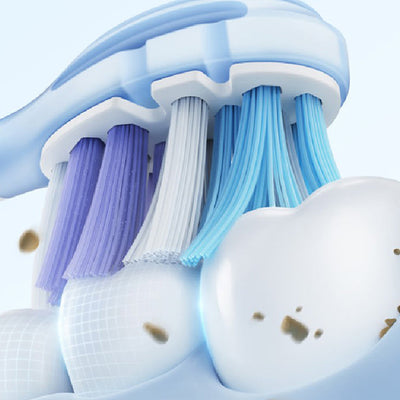
Ultrasonic Toothbrush vs Electric: Which Technology Wins for Your Smile?
LEARN MORE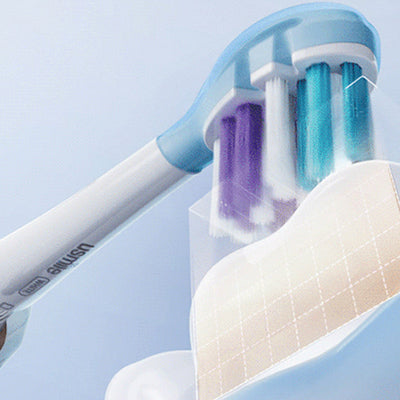
Best Electric Toothbrush for Sensitive Teeth (2026) — 5 Tested
LEARN MORE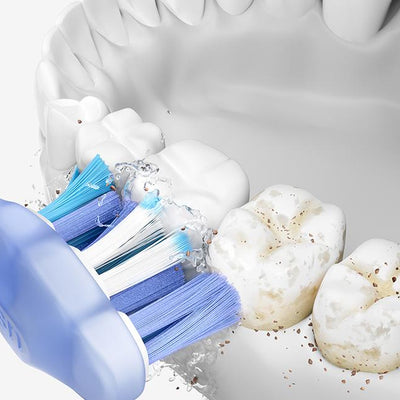
Does an Electric Toothbrush Have a Lithium Battery
LEARN MORELooking for something else?
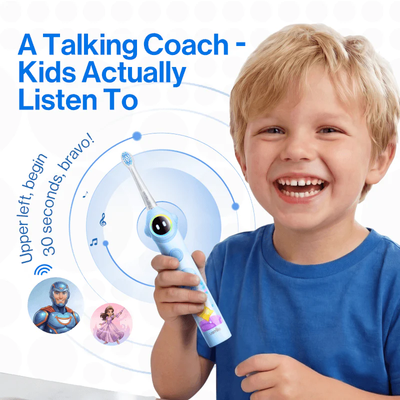
How to Make Brushing Teeth Fun for Kids Without Daily Battles
LEARN MORE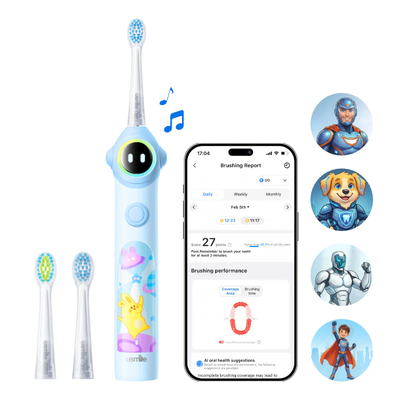
Best Toothbrush for Kids Who Hate Brushing: Parent Guide
LEARN MORE
Best Electric Toothbrush for Kids: What Parents Should Look For
LEARN MOREYou may also like
usmile Q30 Kids Electric Toothbrush

usmile C30SE Portable Dental Flosser

usmile Q30 Kids Electric Toothbrush Trio Pack


Y10 PRO Electric Toothbrush x C10 Portable Water Flosser

Further reading
Halloween Candy Before Bed: A Kid-Friendly Cleanup Routine to Protect Kids' Teeth
I Thought My Water Flosser Made My Teeth Gaps Bigger—Here’s What May Actually Be Happening
Why Teeth Look More Spaced Out After Water Flossing