
Good oral health is a lifelong journey, with unique needs at every stage of life. From the first baby teeth to senior years with changing dental needs, tailored care is essential. This blog explores age-specific strategies for protecting children’s primary teeth and addressing common oral health challenges in seniors, while highlighting how modern tools like children’s electric toothbrushes, adult electric toothbrushes, and water flossers can enhance care at both ends of the age spectrum.
Part 1: Baby Teeth Care 101 – Preventing Cavities in Children
Why Baby Teeth Matter
Many parents mistakenly believe baby teeth are “temporary” and less important, but primary teeth play a critical role:
- They hold space for permanent teeth, ensuring proper alignment.
- Healthy (baby teeth) are linked to better speech development and nutrition, as pain-free chewing supports balanced diets.
- Decayed baby teeth can lead to infection, affecting permanent tooth development and overall health.
Common Childhood Oral Health Risks
- Early Childhood Caries (ECC): Caused by sugary drinks, poor brushing, or prolonged nighttime bottle use, ECC affects 1 in 4 children by age 5.
- Inadequate Brushing: Young children lack the manual dexterity to remove plaque effectively; only 30% of parents assist with brushing until age 6.
How Children’s Electric Toothbrushes Transform Care
Designed for tiny hands and sensitive gums, kids’ electric toothbrushes offer game-changing benefits:
- Ergonomic Design: Soft, smaller brush heads (e.g., usmile Q10 kids electric toothbrush) reach all surfaces of baby teeth, including hard-to-clean molars.
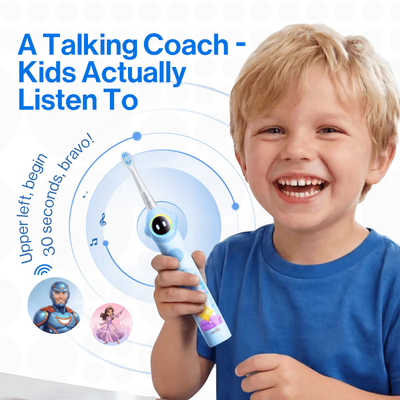
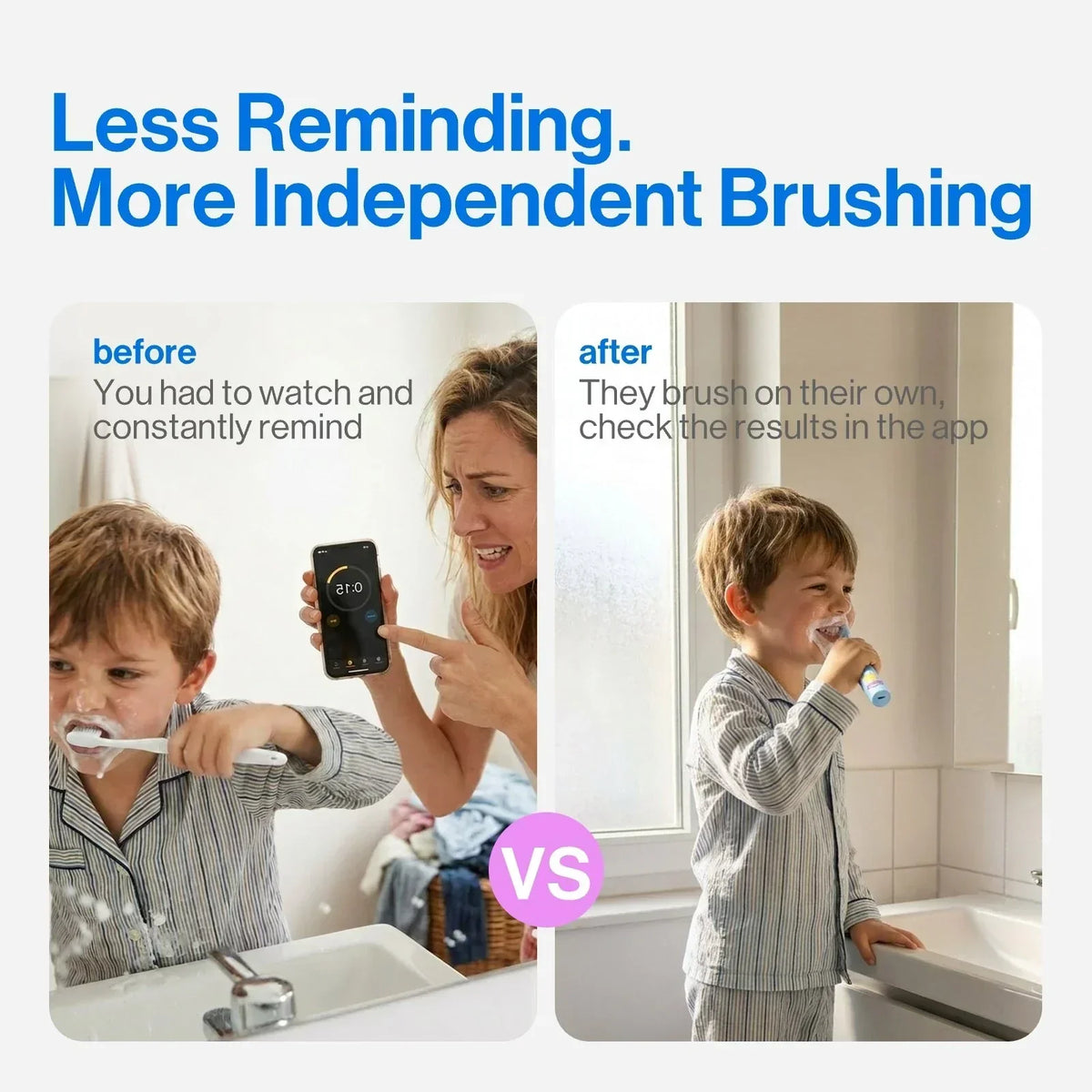
- Paced Brushing: Built-in 2-minute timers with quadrant pauses guide kids to brush each mouth section evenly, addressing the #1 issue of inconsistent brushing.
- Fun Features: Cartoon designs, LED lights, turn brushing into a playful routine, increasing compliance by 40%.
- Gentle Vibration: Low-speed vibrations (15,000–20,000 strokes per minute) remove plaque without damaging delicate gums, ideal for toddlers transitioning to independent brushing.
Parenting Tips for Healthy Habits
- Start Early: Begin wiping gums with a soft cloth even before teeth erupt.
- Limit Sugary Snacks: Offer water or milk instead of juice between meals, and avoid “grazing” that keeps sugar on teeth for hours.
- Fluoride Use: Use a pea-sized amount of fluoride toothpaste (ages 2–6) to strengthen enamel, under adult supervision to prevent swallowing.
Part 2: Oral Health for Seniors – Common Issues and Solutions
Age-Related Oral Health Challenges
Seniors face unique hurdles that require specialized care:
- Gum Atrophy: Receding gums expose tooth roots, making them more prone to decay and sensitivity. 70% of adults over 65 have periodontal disease.
- Dry Mouth: Medications for chronic conditions (e.g., diabetes) reduce saliva flow, increasing cavity risk by 50% as saliva’s natural antibacterial properties decline.
- Denture Challenges: Ill-fitting dentures cause sores, while bacteria trapped under plates can lead to oral thrush or gum inflammation. Only 40% of denture wearers clean them daily as recommende.
Adult Electric Toothbrushes & Water Flossers: Senior-Friendly Solutions
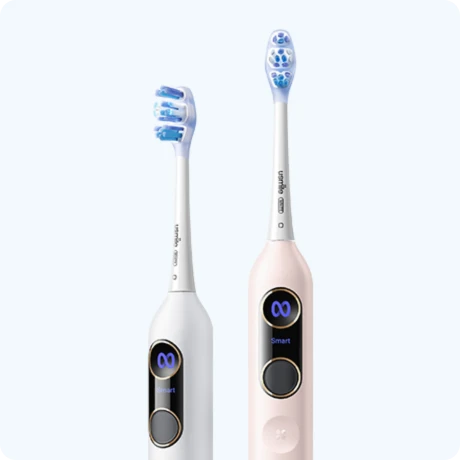
- Pressure Sensors: Models like the usmile can adjust vibration intensity and models, protecting fragile gums and dental work (crowns, bridges).
- Multiple Modes: “Sensitive” or “Gum Care” settings offer gentle pulsations to massage gums and improve circulation, reducing bleeding in periodontal patients.
- Ergonomic Handles: Larger, non-slip grips are ideal for seniors with arthritis, ensuring better control than manual brushes.
2. Water Flossers for Comprehensive Cleaning
- Gum Line & Denture Care: Pulsed water (e.g.,usmile C10 water flosser) removes food particles under dentures and between teeth, where 40% of plaque accumulates. For seniors with implants or bridges, water flossers are gentler than traditional floss.
- Hydration Support: Using lukewarm water in flossers can help relieve dry mouth discomfort, while some models include built-in reservoirs for easy use at the sink or on the go.
- Adjustable Pressure Settings: Low-pressure modes are safe for sensitive gums, while higher settings tackle stubborn debris without irritation.
Senior Oral Care Best Practices
- Regular Dental Check-Ups: Even with dentures, visit the dentist annually to monitor gum health and ensure proper fit—loose dentures can cause bone loss over time.
- Hydrate & Moisturize: Sip water frequently and use sugar-free gum or saliva substitutes to combat dry mouth; avoid alcohol-based mouthwashes that worsen dryness.
- Denture Hygiene: Soak dentures nightly in a specialized cleanser and brush them daily with a soft-bristle electric toothbrush to remove biofilm.
Bridging Generations: A Lifespan Approach to Oral Health
From toddlers to seniors, age-specific tools and strategies are key to maintaining optimal oral health:
- Children: Use playful electric toothbrushes to build habits early, preventing lifelong cavity risk.
- Seniors: Leverage gentle electric brushes and water flossers to address sensitivity, dry mouth, and denture care.
Remember: Oral health is a lifelong investment. By tailoring care to each stage and embracing innovative tools, we can help every generation enjoy healthy, confident smiles.
Looking for something else?
Liquid error (snippets/recommend-article line 11): invalid url input
Best Electric Toothbrush for Teens (2026): Top Picks, Tested and Reviewed
LEARN MORE
Best Electric Toothbrush for Gum Disease (2026): 6 Picks Tested for Real Gum Protection
LEARN MORE
Electric Toothbrush on Plane: The Complete Travel Guide (2026)
LEARN MORE
Liquid error (snippets/recommend-article line 11): invalid url input
Best Sustainable Electric Toothbrush 2026: 5 Picks Tested for a Greener, Healthier Smile.docx
LEARN MORELooking for something else?
Best Sustainable Electric Toothbrush 2026: 5 Picks Tested for a Greener, Healthier Smile
LEARN MORE
Best Cheap Electric Toothbrush (2026): Top 5 Budget Picks That Actually Work
LEARN MORE
Ultrasonic Toothbrush vs Electric: Which Technology Wins for Your Smile?
LEARN MOREYou may also like
Further reading
The 5 Toothbrushing Spots Kids Miss Most—and How Parents Can Help
Your child brushed for two full minutes. The timer ended, the toothpaste foamed and the toothbrush looked busy. But did every tooth actually get attention? For many children ages 3–8, the challenge...
The Back-to-School Brushing Reset: A 14-Day Plan for Kids Ages 3–8
September changes the rhythm of a household. Wake-up times move earlier, breakfasts become faster, after-school activities return and bedtime can feel compressed. In that transition, children may ...
Behind usmile D50 OralCam Toothbrush: From Motion Tracking to Visual Intelligence in Oral Care
After six years of development, the oral-care company has combined fluorescence imaging, tooth-level recognition, motion sensing and on-device computing into a technology platform designed to show...
Can an Electric Toothbrush Help Prevent Cavities in Kids? What Parents Should Know
Parents shopping for a children’s electric toothbrush often encounter a wall of promises: more power, more modes, more entertainment and more technology. The practical question is simpler: can an ...