


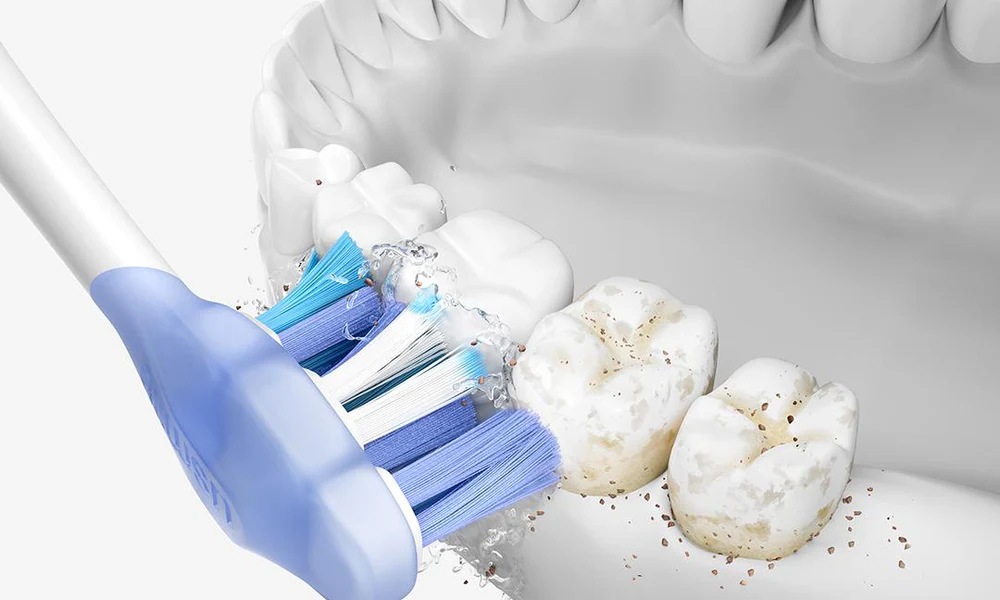
Plaque Teeth: What Causes It, How to Remove It, and How to Prevent Tartar
Plaque is already on your teeth. It doesn't wait for a bad diet or a skipped session — it starts forming within minutes of your last brush. Most people know this somewhere in the back of their mind, but don't actually think about it until a dentist mentions tartar buildup during a routine cleaning they thought would go fine.
Plaque on teeth isn't a hygiene failure. It's biology. The bacteria in your mouth constantly produce this biofilm, and the only variable is how much of it you clear away before it hardens. Left undisturbed for 48 hours or so, soft plaque calcifies into tartar — a deposit that no homewater flossers and toothbrushes can remove once it's hardened. A dental professional with scaling tools can. Daily brushing and flossing exist specifically to disrupt plaque before that window closes.
This guide covers how plaque forms, what it does when ignored, and what actually removes it — including why some people accumulate tartar faster than others and what the bleeding gums most people misread are actually telling them.
What Is Dental Plaque?

Run your tongue across your teeth right now. If they feel smooth, almost glassy — you brushed recently. If there's a soft, slightly fuzzy coating, especially near the base where the teeth meet the gums — that's plaque. It formed while you went about your day, and a fresh layer was already starting before you finished your last brush.
According to research on dental plaque from the Cleveland Clinic, dental plaque is actually colorless, which is partly why most people underestimate how much they have at any given time. That's the tricky part about plaque on teeth — it's hard to see in the mirror, but easy to feel with your tongue once it builds up. You can't see it accumulating the way you'd want. You can feel the difference between a clean tooth surface and one that hasn't been cleaned in a while.
And it grows on everyone's teeth — people who brush twice a day, people who've never had a cavity, people with genuinely good habits. It's not a hygiene failure. It's biology. The only variable is whether you consistently disrupt it before it causes damage.
How Fast It Actually Forms
Within 24 hours of a thorough cleaning, measurable plaque is already back on tooth surfaces. Give it 48 hours undisturbed, and it starts absorbing minerals from saliva and hardening. That hardened version — tartar — is a completely different situation. No toothbrush, no toothpaste, no home rinse removes it. Once it's calcified, you need a dental professional with the proper scaling instruments to remove it.
The daily brushing and flossing routine exists almost entirely to catch plaque in that soft window before the calcification clock runs out.
What Causes Plaque on Teeth?
Every time you eat something with carbohydrates — sugar obviously, but also bread, pasta, milk, fruit, crackers — the bacteria living on your teeth eat it too. Their waste product is acid. That acid breaks down enamel, and the sticky residue left behind by the whole process is plaque.
The Snacking Problem Most People Overlook
Every time you eat, your mouth's pH drops and stays lower for about 20 minutes. Three sit-down meals a day means roughly an hour of that acid environment in total — manageable. But if you're snacking through the afternoon, sipping a sweetened coffee, grazing on something at your desk — those 20-minute acid windows start stacking back to back. Your enamel rarely gets a neutral break. No single snack causes the damage. It's the sustained, repeated exposure running for months and years.
What Brushing and Flossing Are Actually Doing

The point of brushing isn't really the clean-teeth feeling, though that's a nice side effect. Its actual purpose is to break up the soft plaque layer before it hardens physically. If you brush once a day instead of twice, or skip flossing three or four times a week, you're consistently giving plaque 36 to 72 uninterrupted hours in certain spots — usually between teeth and along the back molars. Nobody feels it happening. The first indication is often a dentist finding tartar at the next cleaning.
Flossing specifically matters because a toothbrush physically cannot fit between teeth. Whatever builds up in those contact zones gets left completely alone unless something gets between them. Most people's early cavities and gum problems start in exactly those spots.
Who Gets Tartar Faster
Saliva is doing way more for your mouth than you probably give it credit for. All day long, it's rinsing bacteria off your teeth, calming down the acid that food leaves behind, and even helping patch up tiny weak spots in your enamel before they turn into something bigger. So when your mouth dries out — maybe a new medicine is doing it, maybe you're sick, or maybe you just forget to drink water — that whole built-in defense slows way down, and plaque starts settling in a lot easier.
Smokers run into this all the time. Their tartar shows up faster, even when they brush just like everyone else. And folks with crowded or twisted teeth? Same headache. Those tight little overlaps are exactly where plaque likes to hide, and let's be honest — no toothbrush really gets in there the way you wish it would.
What Plaque Looks and Feels Like on Teeth

You ever wake up and feel that weird fuzzy stuff on your teeth? Yeah, that's just plaque. It piles up while you sleep, nothing scary. When your teeth are actually clean, they feel kinda smooth, even a bit slippery if you slide your tongue over them. Plaque is the opposite of that. It feels soft, a little tacky, and you'll usually catch it first down by the gumline — behind your bottom front teeth is where I always notice it. Wait long enough and you'll start seeing a yellowish film build up there. Ignore it past that, and it turns into tartar. Now it's rough, kinda crusty, and the color shifts toward yellow or even brown. By the time it gets there, brushing won't save you.
Plaque vs. Tartar — Two Different Situations
Most people treat these two words as if they're the same thing, but they're not even close. Tartar isn't just old plaque. And honestly, if you think scrubbing it off harder is the move, please don't. That's a great way to wreck your teeth.
Plaque: Your Responsibility

Plaque while it's still soft? Easy fix. Your brush and floss do the job no problem. Just get to it before two days pass and it hasn't hardened yet — that's pretty much it. You don't need some perfect brushing method either. Just be there every night. Hitting the gumline and those back molars every single day beats one really thorough session and then a whole week of falling-asleep-at-the-sink brushing.
Tartar: The Dentist's Job
Once plaque hardens up, you're dealing with tartar now, and that stuff is locked onto your enamel. No toothbrush is getting it off, I don't care what the commercial says. Tartar-control toothpaste? It helps slow new buildup down a bit, but it's not pulling off what's already stuck there. And listen — don't try picking at it yourself with anything sharp. You'll scratch your enamel, cut your gums up, or shove bacteria into spots it really shouldn't be. If you can actually see yellow or brown gunk sitting along your gumline, just call your dentist and get a cleaning booked. Brushing harder won't fix this one.
What Plaque Does to Teeth and Gums When Ignored
Tooth Decay — Slow and Invisible Until It Isn't
The enamel erosion from plaque acid is slow enough that there's no early warning. No pain, no visible damage in the beginning — just acid quietly running below the surface for months before anything shows up on an X-ray. By the time a cavity is detectable, the process has been underway for a while. Let it go further, and the decay reaches the dentin beneath — less dense and more sensitive to temperature and pressure — and eventually the pulp at the tooth's center. That's when a filling stops being the answer.
What Bleeding Gums Are Actually Telling You

When gums bleed during brushing, most people's instinct is to ease off — brush softer, avoid the sensitive area. That's usually the wrong response. Bleeding gums are almost always a sign that the gumline isn't being cleaned consistently enough, not that it's being cleaned too hard. Plaque sitting against the gum tissue causes inflammation. Gums get irritated, swell slightly, and bleed when touched. That's gingivitis — early gum disease —, and it's still completely reversible at this stage with better daily cleaning at the gumline. Leave it alone, and it progresses to periodontitis. Bone loss, tissue loss, and eventually loose teeth. That part can't be undone.
How to Remove Plaque from Your Teeth
Brush Twice Daily — The Gumline Is the Priority

Two minutes, twice daily, fluoride toothpaste, soft bristles. Most of the relevant plaque damage starts at the gumline and between teeth — both spots where brushing tends to get rushed. An electric toothbrush for plaque removal outperforms manual brushing for most people, not because of any particular feature, but because its oscillation speed is far higher than a hand can consistently sustain, especially at the back of the mouth, where technique usually deteriorates first. An AI-powered electric toothbrush adds pressure sensing — worth noting because pressing too hard flattens bristles against the tooth and actually reduces cleaning contact. More pressure does not mean more cleaning.
Floss — or You're Leaving Plaque Between Every Tooth

Brushing doesn't reach between teeth. Plaque in contact zones is completely invisible and completely unaffected by how long or how well you brush. String floss works — most people who do it consistently see the difference quickly. A portable dental water flosser is a practical alternative, particularly for anyone who finds string flossing awkward on back teeth or consistently skips it. Imperfect flossing is better than none — but for most floss-avoiders, the actual behavior is none, and plaque between teeth gets unlimited time to calcify.
See a Dentist Before Buildup Becomes Visible
Even with good daily habits, tartar forms in spots that nobody cleans perfectly — the backs of molars, below the gumline, and between tightly spaced teeth. Professional cleanings remove both plaque and tartar from these areas before they cause gum disease. Twice a year works for most people; those who accumulate tartar quickly need more frequent visits.
Mistakes That Keep Plaque From Being Managed
Trying to Scrape Tartar at Home
Visible yellow-brown deposits at the gumline are tartar. Brushing harder won't help. Anything sharp used to scrape at tooth surfaces at home risks enamel damage, gum cuts, and bacterial entry below the gumline. Book a cleaning appointment.
Treating Natural Remedies as a Strategy
Oil pulling, baking soda, and apple cider vinegar rinses — some have modest research behind them. None removes plaque as effectively as a toothbrush, and some acidic home rinses used regularly will erode enamel over time. As supplementary habits, they're fine. As a primary approach to plaque control, there are not enough.
FAQs
How do I remove plaque from my teeth?
Morning brush, night brush, floss somewhere in between. That covers it. Plaque that hasn't had 48 hours to harden responds completely to consistent daily home care. Most plaque problems aren't technique failures — they're gap problems. Skipping the night brush or going several days without flossing is where things go wrong.
What causes plaque in teeth?
Bacteria in your mouth eat the carbohydrates from your food and produce acid as a byproduct. The sticky film from that process coating your tooth surfaces is plaque. Happens after every meal — not just sugary ones.
Can brushing remove tartar?
No. Brushing handles soft plaque. Once plaque calcifies into tartar, it's bonded to the tooth surface, and a brush does nothing to it. A dentist removes tartar with scaling instruments. That's also the main practical reason daily brushing matters — catch it in the soft window before it hardens.
Is it bad to pick plaque off teeth?
Yes. Sharp objects on tooth surfaces at home risk enamel scratches and gum cuts. And if you can see visible deposits near the gumline, that's already tartar — booking a cleaning is the answer, not a more aggressive home approach.
What kills plaque naturally?
Nothing eliminates it on its own — that's the honest answer. Drinking water after eating reduces the food residue that bacteria feed on. Sugar-free gum gets saliva moving, which naturally washes surfaces and neutralizes some acid. Worth doing alongside brushing and flossing, not instead of them.
What is worse, tartar or plaque?
Tartar, and it's not close. It's hardened, can't come off at home no matter what you use, and keeps irritating the gum tissue. But tartar only forms because soft plaque isn't consistently disrupted. Handle the daily plaque habit, and most tartar simply doesn't form.
Does toothpaste dissolve tartar?
No. Tartar-control toothpaste contains compounds that help slow the formation of new tartar. It doesn't dissolve existing hardened deposits. Nothing available for home use does. A dental professional removes it.
What are the symptoms of plaque?
Fuzzy or slightly slimy feeling on tooth surfaces — worst in the morning before brushing. Bad breath that comes back fast after brushing. Gums that bleed or look red and swollen at the gumline. Visible yellow or brown deposits near the base of teeth. Sensitivity that develops over time as enamel gradually thins.
|
Daily plaque removal is the whole strategy. Brush twice, floss once, cover the gumline, and see a dentist before deposits become visible. Whether plaque stays manageable or turns into a pattern of cavities and gum disease usually comes down to just those few habits done consistently. |
Sources
- Dental plaque gets well-covered by the Cleveland Clinic — their plaque overview is worth reading if you want the clinical detail on what plaque actually consists of and how tartar forms.
- The ADA's MouthHealthy plaque pageoutlinesthe current American Dental Association guidance on daily plaque removal — useful if you want the source behind the twice-daily brushing standard.
- For cavity prevention and when professional cleanings are recommended, the CDC Oral Health Tips page is a concise and accurate reference on fluoride toothpaste use and preventive care standards.
- NIDCR's gum disease guidance explains in plain terms how untreated plaque progresses from early gingivitis to periodontitis — the stage that can't be reversed.
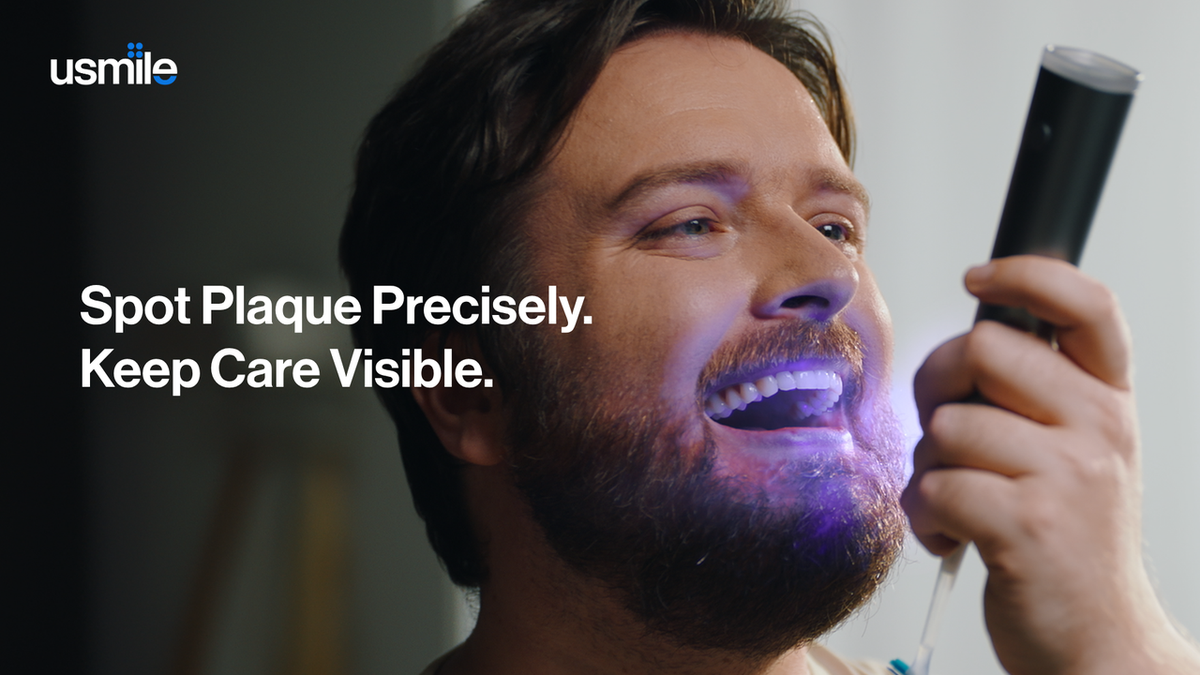
- MedlinePlus published a home plaque identification guide covering plaque-disclosing tablets and UV plaque lights — tools that reveal exactly which spots your brushing consistently misses.
- Healthline's plaque teeth removal article pulls from published research and is one of the better consumer-facing overviews of what plaque is, how tartar differs, and what actually removes each.
Colgate's plaque-on-teeth guide is patient-friendly — good for practical cause-and-effect explanations without heavy clinical language.


Looking for something else?
Best Electric Toothbrush for Teens (2026): Top Picks, Tested and Reviewed
LEARN MORE
Best Electric Toothbrush for Gum Disease (2026): 6 Picks Tested for Real Gum Protection
LEARN MORE
Electric Toothbrush on Plane: The Complete Travel Guide (2026)
LEARN MOREBest Sustainable Electric Toothbrush 2026: 5 Picks Tested for a Greener, Healthier Smile.docx
LEARN MORELooking for something else?
Best Sustainable Electric Toothbrush 2026: 5 Picks Tested for a Greener, Healthier Smile
LEARN MORE
Best Cheap Electric Toothbrush (2026): Top 5 Budget Picks That Actually Work
LEARN MORE
Ultrasonic Toothbrush vs Electric: Which Technology Wins for Your Smile?
LEARN MOREYou may also like

usmile Q30 Kids Electric Toothbrush

usmile Q30 Kids Electric Toothbrush Trio Pack


usmile C30SE Portable Dental Flosser
usmile Y20PRO Adults Toothbrush x Q30 Kids Toothbrush
Further reading
The 5 Toothbrushing Spots Kids Miss Most—and How Parents Can Help
The Back-to-School Brushing Reset: A 14-Day Plan for Kids Ages 3–8
Behind usmile D50 OralCam Toothbrush: From Motion Tracking to Visual Intelligence in Oral Care

