





How to Brush Teeth with Braces Using an Electric Toothbrush
Braces and electric toothbrushes—two things that spark strong opinions, especially when food gets stuck in a bracket, and a regular toothbrush just can't get it out.
Once you have braces, brushing your teeth isn't hard, but it’s definitely different. Every bracket becomes a spot for food and plaque to hide, and every wire creates a space underneath it that your old brushing routine can’t reach. What worked before won't cover everything, and those missed areas are where cavities and gum issues can pop up while you're wearing braces.

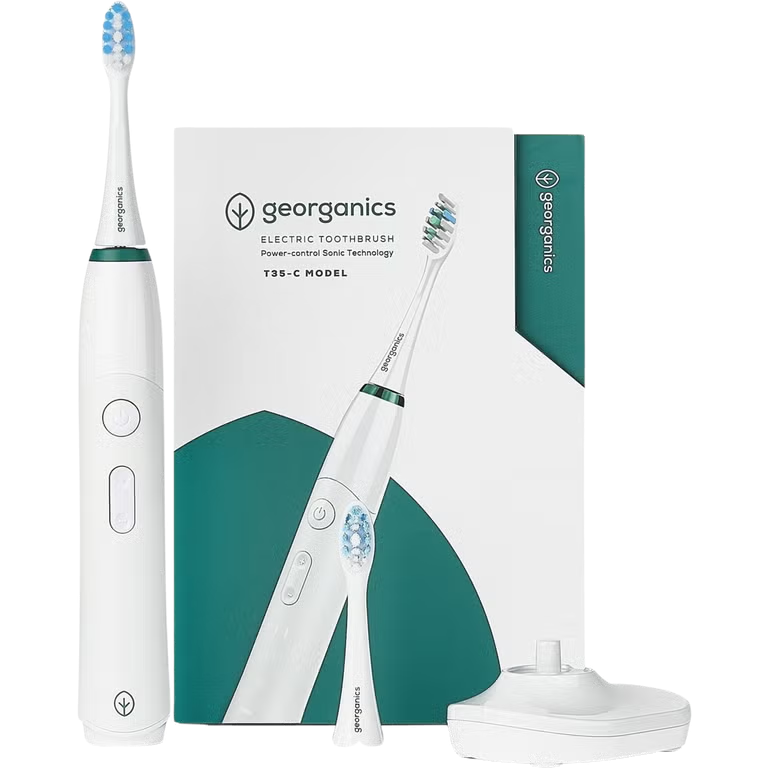
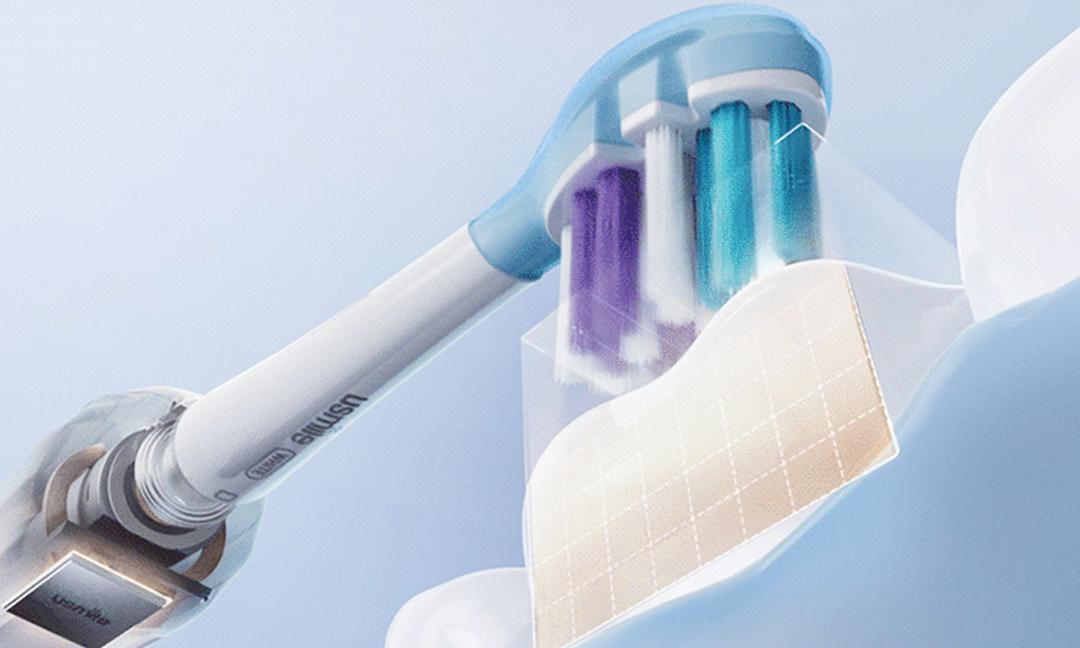
An electric toothbrush handles this significantly better than a manual one. The brush head moves on its own, consistently reaches around brackets and wires, and maintains a clean circular motion the whole time. You guide it, the motor does the work. Pair that with a proper technique and solid advanced oral care solutions, and the whole thing takes about two minutes. This covers exactly how.
|
WHY THIS MATTERS Plaque left at bracket margins doesn’t just cause cavities — it causes white spot lesions. Permanent bleached patches on your enamel that show up the exact moment brackets come off. Cleaning properly during treatment is the only way to prevent them. |
Why Braces Make Brushing Harder Than It Sounds

Before braces, brushing was quick. Two minutes, bristles against teeth, done. After braces? Metal brackets on every tooth, a wire threaded through them, small ties at each bracket, and sometimes extra attachments and springs, depending on your treatment plan. Every single piece creates a new trap.
The spots that do the real damage aren’t the big visible chunks of food — those you can see and deal with. The problem is the bracket margin. That hairline gap between the edge of a bracket and your enamel. Plaque builds up there in a thin film. Your toothbrush can’t angle directly into it. String floss can’t get in because the wire blocks the path. So bacteria sit there undisturbed, produce acid, and quietly dissolve enamel underneath the bracket.
What Actually Goes Wrong Over Months
Leave that bracket margin alone for a few months, and you get three outcomes, none of them reversible without dental work. Cavities form right at bracket edges — invisible while the bracket is on, fully formed by the time it comes off. White spot lesions show up across the enamel — permanent decalcification that doesn’t respond to whitening.
And gum inflammation sets in around the brackets, sometimes progressing to actual gum disease if it’s left unchecked long enough. None of this is inevitable. It happens when the hardware makes standard cleaning harder, and people don’t adjust their cleaning. That adjustment is the whole point of this guide.
Can You Use an Electric Toothbrush with Braces?
Yes. Not just safe — genuinely better than manual for this specific situation.
Manual toothbrushes work fine on teeth without hardware. With braces on, you need to angle the brush around each bracket manually, hold that angle, move it correctly, and cover all surfaces. That’s a lot of coordination for every tooth. Most people don’t get it right consistently, especially the back molars. Electric toothbrushes take most of that coordination off your plate.
Electric vs. Manual for Braces — Side by Side

|
What You Need |
✓ Electric |
✕ Manual |
|
Reach around brackets |
✓ Brush head moves independently |
✕ Requires manual angling on every tooth |
|
Consistent circular motion |
✓ Automatic, every stroke |
✕ Depends on your technique |
|
2-minute timer built in |
✓ Most models include one |
✕ You have to count yourself |
|
Pressure sensor |
✓ Alerts when brushing too hard |
✕ No feedback at all |
|
Compliance on sore days |
✓ Low effort required |
✕ Everything hurts after a tightening |
A 2014 analysis covering 56 separate studies found that electric toothbrushes reduce plaque by 21% more than manual toothbrushes and gingivitis by 11% more. Those margins get bigger with braces, because the hardware actively limits what a manual brush can do. Electric doesn’t have that same problem.
Choosing the Right Electric Toothbrush for Braces

Not all electric toothbrushes are built the same. For braces specifically, a few features matter a lot, and others are mostly marketing.
|
Feature |
Why It Matters for Braces |
|
Soft bristles |
Hard bristles can catch on brackets and irritate gums that are already sensitive from the hardware. Soft, always. |
|
Small brush head |
Bigger heads can’t maneuver around brackets cleanly. Small and compact wins here. |
|
Pressure sensor |
Lets you know when you’re pressing too hard — which damages braces and recedes gums faster than most people expect. |
|
Multiple cleaning modes |
A sensitive or gum-care mode is useful right after tightening appointments, when everything is sore. |
|
Built-in 2-min timer |
Two minutes is the minimum—most people underbrush without a timer. With braces, there’s no margin for that. |
|
Replaceable heads |
Braces accelerate bristle wear. Being able to swap heads every 2 to 3 months without replacing the whole brush saves money. |

The two that actually move the needle: soft bristles and a pressure sensor. Soft because braces make gums more sensitive, and brackets are sharp; hard bristles catch on them. Pressure sensor because the instinct to brush harder to feel cleaner is almost universal — and with braces, brushing too hard bends wires and recedes gums faster than you’d expect.
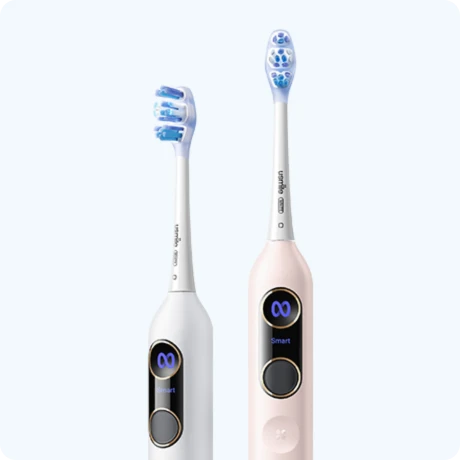
For a brush that covers all of these and doesn’t require much guesswork, a smart electric toothbrush for daily brushing with built-in pressure feedback and multiple modes handles the braces-specific challenges without adding complexity to your routine.
|
QUICK TIP If your orthodontist hasn’t mentioned a specific toothbrush, ask at your next appointment. Most have a preference, and a few will have samples. Either way, soft bristles and a small, round head are non-negotiable for proper cleaning around brackets. |
How to Brush Teeth with Braces Using an Electric Toothbrush — Step by Step

The technique is slightly different from regular brushing — not harder, just more deliberate. Here’s the sequence that actually works:
|
1 |
Rinse your mouth with water first. Not optional. The rinse loosens food particles jammed in brackets, so the brush cleans rather than just pushes debris around. 30 seconds of swishing makes the rest of the session more effective. |
|
2 |
Apply a small amount of fluoride toothpaste to the brush head. Avoid whitening formulas — they can’t reach under brackets, and using them during treatment leaves uneven results when the brackets come off. |
|
3 |
Turn the brush on before it touches your teeth. Starting it inside your mouth against brackets causes toothpaste splatter—a small thing, annoying enough to remember. |
|
4 |
Hold the brush head at a 45-degree angle to the gumline. The angle is what gets you into the gap between the bracket and the gum — pointing flat across the tooth misses it entirely. |
|
5 |
Guide the brush slowly from tooth to tooth, pausing 1 to 2 seconds on each. Let the motor do the circular motion. You’re just steering, not scrubbing. Too much manual pressure works against you here. |
|
6 |
Angle downward to clean above each bracket, then angle upward to clean below it. Both passes. Every bracket. This is the step people rush or skip, and it’s where most bracket-edge cavities start. |
|
7 |
Cover all four zones: outer top, outer bottom, tongue-side top, tongue-side bottom. Two minutes total, 30 seconds per zone. Tongue-side teeth are easy to forget. Don’t. |
|
8 |
Spit toothpaste but hold off on rinsing for a few minutes if you can. Fluoride sits on the enamel and keeps working after you’re done brushing. Rinsing immediately washes it off before it does much. |
|
QUICK TIP After brushing, look at your brackets in the mirror. The face of each bracket should look clean, and the gumline directly above and below each one should be clear. If you see white film on the bracket edges, those spots need more time on the next brush. |
Tips to Get More Out of Every Brushing Session
Brush After Every Meal, Not Just Twice a Day
Twice a day was the baseline before braces. With brackets on, food is packed into every bracket and wire channel after every meal. Leave it for four or five hours, and plaque starts forming. Three times a day — after breakfast, lunch, and dinner — is what actually keeps things clean. If brushing after every meal isn’t always possible, rinsing your mouth thoroughly with water right after eating at least removes the largest debris and slows the process.
According to orthodontic professionals at Wake Orthopedics, patients who brush after meals rather than only at fixed times daily have significantly lower rates of white spot lesions at debanding. The meals aren’t the problem — it’s the time food sits against brackets afterward.
Add a Water Flosser or Floss Threader

An electric toothbrush is excellent. It cannot reach the contact points between teeth, the spots where teeth press against each other. Those surfaces only get cleaned by something that gets between them. A water flosser or floss threader covers that gap.
A water flosser is the faster option with braces — the stream reaches under the wire and between teeth in seconds per tooth, compared to the several minutes it takes to thread floss manually around every bracket. Dental professionals typically recommend using a floss threader or a water flosser at least once daily alongside regular brushing—both work. The one you actually use every day is the right choice.
Use an Interdental Brush Between Meals
Small proxabrush or interdental brush — the tiny bottle-brush-shaped ones that fit under the archwire. They sweep food out of the wire channel in seconds and fit easily in a bag or pocket. Not a replacement for brushing, just a quick between-meal tool that stops food from sitting against brackets all afternoon. Most orthodontists hand them out or recommend them at the start of treatment.
Common Mistakes When Brushing with Braces
Most brushing problems during orthodontic treatment aren’t about effort — people brush. They’re about specific habits that seem fine but quietly cause damage. According to clinical dental guidance at CDEPA, these are the ones that show up most often:
|
✕ |
Brushing too hard The motor does the work. Pressing harder doesn’t clean better — it bends wires and pushes gums back. Let the brush head do its thing. |
|
✕ |
Using whitening toothpaste Whitening agents only reach exposed enamel. The areas under brackets stay untouched. When braces come off, you’ll see the difference instantly — darker squares where the brackets were. Stick to fluoride paste. |
|
✕ |
Skipping flossing entirely An electric toothbrush cannot reach between teeth. The sides of each tooth still need to be flossed. Use a floss threader or water flosser — one or the other, every day. |
|
✕ |
Rushing through the 2 minutes Two minutes feels long when you’re standing over a sink. It’s not. Less than that and you’re leaving plaque on brackets and at the gumline where it does the most damage. |
|
✕ |
Only cleaning the front teeth. The tongue side of your teeth collects plaque, too. Back molars collect it even more. If you’re only cleaning what you can see in the mirror, you’re missing half the job. |
|
WATCH OUT Hard bristles and heavy pressure are the two things most likely to damage braces. Bent brackets and wires need to be fixed during orthodontic appointments. Pressure sensors on electric toothbrushes specifically exist to prevent this — use that feature. |
How Often to Replace Your Brush Head (It’s More Often with Braces)
The standard recommendation is every three months. With braces on, that timeline shrinks. Metal brackets and wires are essentially abrasive surfaces — they fray soft bristles faster than regular teeth do. Splayed or flattened bristles lose the stiffness needed to track along the gumline and around brackets at the correct angle.
Dentists at Beyond Infinity Dental recommend inspecting your brush head monthly when wearing braces. If bristles look spread out, visibly flattened, or have changed color, replace them. A worn head on an electric brush still vibrates — it just doesn’t clean properly anymore, and you won’t notice the difference until something shows up at a checkup.
In practice, this means most brace wearers need a new head every 6 to 8 weeks rather than every 12 weeks. Budget for that when choosing a brush. Models with readily available, affordable replacement heads are worth considering over those with harder-to-find accessories.https://usmile.us/products/usmile-y10-pro-smart-toothbrush
FAQs
Can I brush my braces with an electric toothbrush?
Yes, and it’s actually the better choice. Electric toothbrushes reach around brackets and under wires more consistently than manual brushes, and their built-in timers and pressure sensors eliminate two of the most common mistakes braces wearers make. Use a soft-bristle head, hold at a 45-degree angle to the gumline, and let the motor do the circular motion. Don’t press hard.
What is the 3 3 3 rule for brushing teeth?
Brush three times a day, for three minutes each session, within three minutes of finishing a meal. The idea is that plaque starts forming quickly after eating, and the faster you clean it off, the less time it has to cause damage. With braces on, this rule is worth taking seriously — food compacts into bracket channels after every meal, and three minutes gives you enough time to actually cover all surfaces, including above and below each bracket.
What is stage 4 of braces?
Stage 4 is the finishing stage — fine-tuning the alignment and bite before removal. At this point, teeth are mostly in position; the orthodontist makes small adjustments to ensure everything sits correctly. It typically involves thicker wires for final movement and sometimes elastic bands for bite correction. Treatment length at this stage varies, but it’s often the point at which patients can clearly see the result taking shape.
Can I eat pizza with braces?
Yes, with a few adjustments. Hard crust is the main issue — biting into a thick, crunchy edge can pop a bracket or bend a wire. Cut the pizza into small pieces, avoid the thick outer crust, and go for softer toppings. Cheese, cooked vegetables, soft meats — all fine. Chewy or sticky toppings like dried meat or extra-thick cheese pull at brackets. And brush right after, since pizza has a lot of starch and oil that pack into the bracket channels.
What can we not eat in braces?
Hard foods top the list — hard candy, raw carrots and apples (unless cut into small pieces), ice, popcorn, nuts, and bagels. Sticky foods are a close second: caramel, chewing gum, gummy candy, chewy granola bars. These either pop brackets, bend wires, or get stuck in places a toothbrush can’t reach. Crunchy snacks like chips and hard pretzels are borderline — small pieces are okay, whole pieces bitten with front teeth are not. The general rule: if it requires significant force to bite through it, cut it small or skip it.
What is the final stage of braces?
The retention stage. Brackets come off, a retainer goes on. The teeth are in their new positions, but the bone and ligaments around them are still adjusting — without a retainer, teeth shift back. Full-time retainer wear typically lasts 6 to 12 months, after which most people transition to nighttime-only wear. Some orthodontists recommend wearing a retainer at night indefinitely. This is the part of treatment most people underestimate. The braces did the work; the retainer makes it permanent.
Can I eat McDonald’s after braces?
After braces — as in, brackets removed — you can eat anything. Nothing to damage anymore. If you mean while wearing braces, yes, but pick carefully. Soft burgers cut into smaller pieces, chicken nuggets, grilled chicken, soft wraps — all fine. Skip hard burger buns with thick crusts, large bites that require front-teeth force, and anything crunchy. Small-piece fries are manageable; biting a whole, thick fry with your front bracket is less ideal. And brush immediately after, McDonald’s meal debris sits badly in brackets.
Can I eat mashed potatoes with braces?
One of the best options you have. Smooth, soft, requires zero biting force, no risk of damaging brackets or wires. After tightening appointments when everything aches, mashed potatoes are genuinely one of the go-to foods. Just skip crunchy toppings — crispy onions, crackers, anything that adds texture. Smooth mashed potatoes, possibly with butter or gravy, are about as braces-friendly as food gets.
FINAL THOUGHTS — Two Minutes Changes Everything
Getting braces is expensive and takes time — typically 18 months to two-plus years of appointments and adjustments. The investment is entirely in the result: teeth that come out straight, healthy, and exactly right. That result gets compromised when the cleaning routine doesn’t match the situation.
An electric toothbrush with soft bristles and a pressure sensor, used at 45 degrees for 2 minutes, 3 times a day, covers the mechanical part. Add a water flosser or floss threader once daily. Replace the brush head every two to three months. Check the bracket margins in the mirror after you brush. Those four things, done consistently, are what protect the investment.
Braces come off. White spots and cavities don’t. The brushing habits you build during treatment are the difference between the two outcomes — and the habits themselves aren’t hard. They just need to be the right ones.
References and Resources
- Wake Orthodontics & Pediatric Dentistry:Maintaining Oral Hygiene With Braces — Orthodontic practice guidance on white spot lesion prevention, brushing after meals, and the role of electric toothbrushes around brackets and wires.
- Beyond Infinity Dental:Can You Use an Electric Toothbrush with Braces? — Clinical confirmation that electric toothbrushes are safe and superior for orthodontic patients; covers pressure sensors, bristle wear, and 6–8 week head replacement with braces.
- American Association of Orthodontists (AAO):Living With Braces — Oral Hygiene & Care Tips — AAO-endorsed brushing protocol; recommends brushing after every meal, fluoride toothpaste without whitening agents, and changing brush heads at first sign of wear.
- AAO:Oral Hygiene Tips During Orthodontic Treatment — AAO guidance on between-visit care; covers interproximal brushes, floss threaders, water irrigators, and why missed cleaning leads to white marks and cavities.
- CDEPA — Center for Dental Excellence:Choosing the Right Toothbrush for Every Family Member — Clinical guidance on toothbrush selection for teens with braces; confirms soft bristles and electric options for improving brushing compliance and coverage.
- Wake Orthodontics & Pediatric Dentistry:Braces and Cavities — Oral Hygiene and Prevention — Explains why bracket hardware accelerates cavity formation when cleaning is inconsistent; reinforces after-meal brushing and use of water flossers alongside regular brushing.
- AAO:How Do Braces Work? Maintenance & Care Guide — AAO overview of braces mechanics and daily care; recommends switching to electric toothbrushes and water flossers as adjuncts to improve plaque control around hardware.


Looking for something else?
Best Cheap Electric Toothbrush (2026): Top 5 Budget Picks That Actually Work
LEARN MORE
Ultrasonic Toothbrush vs Electric: Which Technology Wins for Your Smile?
LEARN MORE
Best Electric Toothbrush for Sensitive Teeth (2026) — 5 Tested
LEARN MORE
Does an Electric Toothbrush Have a Lithium Battery
LEARN MORELooking for something else?
How to Make Brushing Teeth Fun for Kids Without Daily Battles
LEARN MORE
Best Toothbrush for Kids Who Hate Brushing: Parent Guide
LEARN MORE
Best Electric Toothbrush for Kids: What Parents Should Look For
LEARN MOREYou may also like


usmile Y20PRO Adults Toothbrush x Q30 Kids Toothbrush

usmile C10 Water Flosser x Q30 Kids Electric Toothbrush
Further reading
Halloween Candy Before Bed: A Kid-Friendly Cleanup Routine to Protect Kids' Teeth
I Thought My Water Flosser Made My Teeth Gaps Bigger—Here’s What May Actually Be Happening

Why Teeth Look More Spaced Out After Water Flossing