Dental Floss and Pick: 7 Powerful Reasons to Choose
Dental Floss and Pick — What’s the Difference?
Dental floss is a thin string (waxed, unwaxed, or tape-style) designed to slide between tight contacts to scrape plaque from tooth surfaces. Picks (plastic or wooden) hold a short piece of floss on a handle or use a tiny bristled end to dislodge debris. Both address interdental cleaning but suit different needs and preferences.
-
Floss is ideal for tight gaps and offers control to hug the tooth surface.
-
Picks are convenient, quick, and excellent for on-the-go use or people with limited dexterity.
7 Powerful Reasons to Use a Dental Floss and Pick
-
Remove hidden plaque. Floss reaches areas a toothbrush cannot, reducing cavities between teeth.
-
Prevent gum disease. Regular interdental cleaning reduces gingivitis risk.
-
Fresher breath. Removing trapped food prevents odor-causing bacteria buildup.
-
Faster after-meal cleanup. Picks let you clear debris quickly when you’re out.
-
Gentle options for sensitive gums. Soft picks or waxed floss reduce irritation.
-
Affordable daily habit. Both tools are inexpensive and easy to maintain.
-
Complements other tools. Combine with a water flosser for extra cleaning power.
When to Use Floss vs. Pick
-
Use floss when teeth are tightly spaced or when you want thorough plaque removal.
-
Use picks after meals, during travel, or when you need a fast way to remove visible debris.
-
Consider alternating: floss at night for deep cleaning, and use a pick during the day for quick touch-ups.
How to Use a Dental Floss and Pick Effectively
-
Break off ~18 inches of floss and wind most around a middle finger.
-
Slide gently between teeth, curve into a “C” shape around each tooth, and move up and down.
Using a pick: -
Insert the pick gently between teeth.
-
Move it back and forth to remove debris — avoid forcing it to prevent gum damage.
Finish with a rinse or a short water flosser session to clear loosened particles.
Sensitive Gums & Special Considerations
People with sensitive gums should try soft picks, tape floss, or a gentle flossing technique. If bleeding persists after proper technique, consult your dentist—bleeding can signal inflammation needing professional care. For extra support on gum health, authoritative resources like the American Dental Association provide guidance: https://www.ada.org.
Complementary Tools & Travel Tips
-
Water flosser pair well with floss/picks to flush debris and soothe gums.
-
Travel picks are compact and disposable—perfect for after-meal use.
-
Keep a small pack of picks in your bag or desk for quick refreshes between meals.
Internal resources (example internal links): Best flossing techniques, Water flosser vs. floss.
Conclusion
Dental floss and pick each have strengths: floss offers precise, deep cleaning while picks provide convenience and speed. Making either (or both) part of your routine reduces plaque, protects your gums, and helps keep breath fresh. Try different styles to see which fits your mouth and lifestyle—consistency matters most.


Looking for something else?
Best Electric Toothbrush for Gum Disease (2026): 6 Picks Tested for Real Gum Protection
LEARN MORE
Electric Toothbrush on Plane: The Complete Travel Guide (2026)
LEARN MOREBest Sustainable Electric Toothbrush 2026: 5 Picks Tested for a Greener, Healthier Smile.docx
LEARN MORE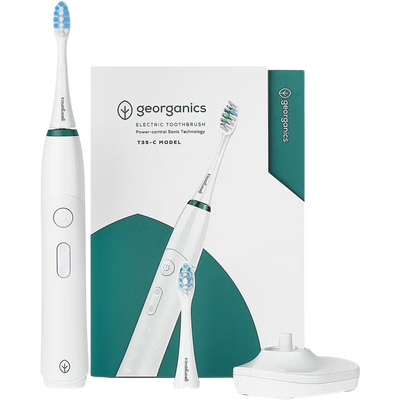
Best Sustainable Electric Toothbrush 2026: 5 Picks Tested for a Greener, Healthier Smile
LEARN MORELooking for something else?
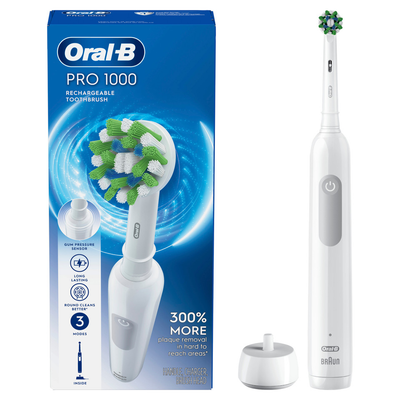
Best Cheap Electric Toothbrush (2026): Top 5 Budget Picks That Actually Work
LEARN MORE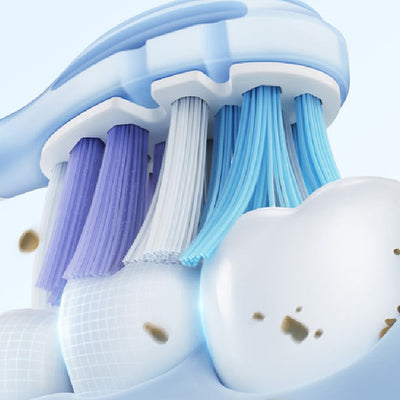
Ultrasonic Toothbrush vs Electric: Which Technology Wins for Your Smile?
LEARN MORE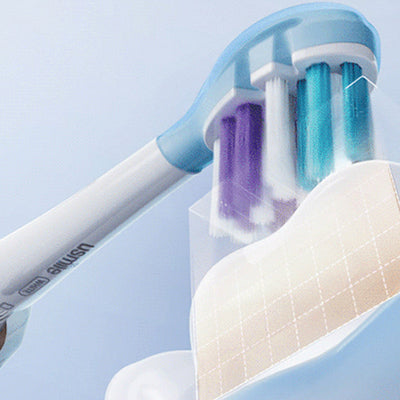
Best Electric Toothbrush for Sensitive Teeth (2026) — 5 Tested
LEARN MOREYou may also like
usmile C30 Cordless Water Flosser – Portable Oral Irrigator
usmile Y20 PRO Upgraded AI Electric Toothbrush
usmile Q30 Kids Electric Toothbrush
usmile Q30 Kids Electric Toothbrush Trio Pack
usmile C30SE Portable Dental Flosser
Further reading
Plaque, Stains, or Food Debris? How to Interpret What a Toothbrush Camera Shows
The 5 Toothbrushing Spots Kids Miss Most—and How Parents Can Help
The Back-to-School Brushing Reset: A 14-Day Plan for Kids Ages 3–8