


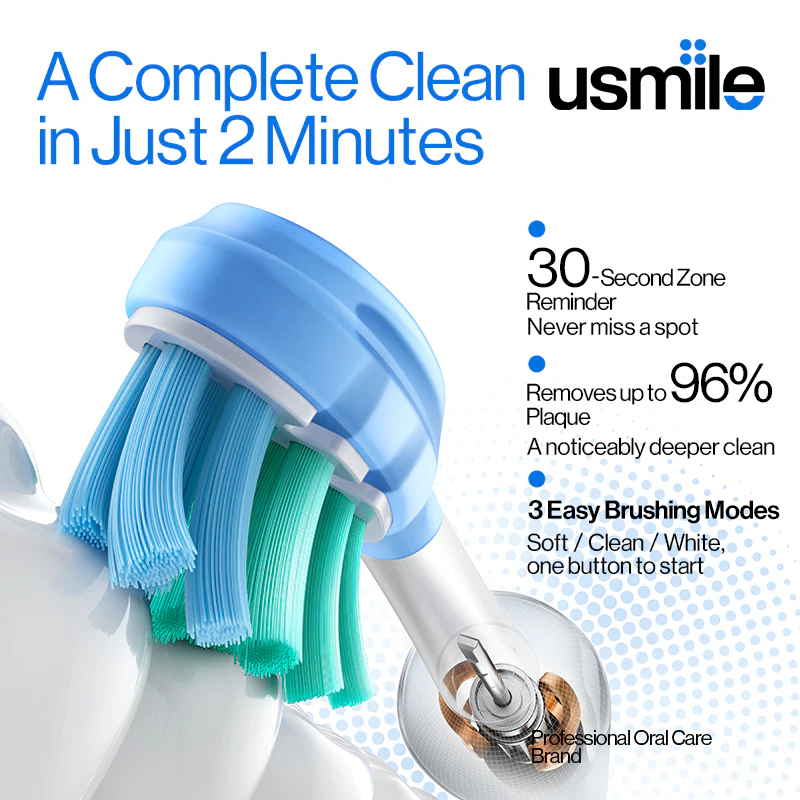
Can You Brush Your Teeth Too Much? Signs, Risks, and the Right Way to Brush
Brushing is one of the most basic oral health habits — and most people assume that doing more of it can only help. But that assumption is wrong. If you've ever wondered whether you can brush your teeth too much,expert dental guidance confirms the answer is yes — and it's more common than most people realize. Overbrushing doesn’t just mean brushing ten times a day. It also means brushing too hard, using the wrong tools, or brushing right after an acidic meal. This guide breaks down the real risks, the warning signs, and a smarter way to clean your teeth without causing damage.
Yes — Overbrushing Is a Real Problem

Picture someone brushing fifteen times a day. That’s not who ends up in a dentist’s chair with overbrushing damage. The people who actually show up with worn enamel and receding gums? They brush three or four times. Sometimes just twice — but wrong.
Frequency is only part of it. Pressure, timing, bristle hardness, toothpaste abrasiveness — any one of those can do real damage on its own. Put two or three of them together, and the timeline for visible problems shortens considerably.
What Overbrushing Actually Covers
Overbrushing usually comes down to four habits: brushing more than three times a day, applying too much pressure, brushing well past two minutes with heavy force, and using medium or hard bristles, which are rarely appropriate for daily use on teeth.
Any one of those alone causes problems over time. Two or three together, and your dentist will notice it at your next cleaning before you even sit down properly.
4 Ways You’re Overbrushing Without Realizing It
Brushing Too Often
Twice a day. That’s it for most people. The ADA has held that line for years — not because dentists are being conservative, but because twice is genuinely supported by the research.
Three times after a large meal? Fine, with a soft brush and barely any pressure. Four, five, six times a day with real force behind it? You’re not cleaning your teeth at that point. You’re just wearing them down, brushing session by brushing session.
Brushing Too Hard
This is the one dentists see all the time. Someone comes in with receding gums, grooves worn near the gumline, and sensitivity they’ve been brushing off for months — and they describe themselves as having excellent oral hygiene. They brush twice a day, every day.
Thoroughly. That word is doing a lot of damage.
Hard brushing doesn’t shift more plaque. Plaque is soft — a feather could move it. What hard brushing actually does is scrape enamel and slowly push gum tissue backward. Very slowly. Very consistently. Over months and years. Check your toothbrush after two weeks. Bristles fanning out already? Now you know what’s been happening.
Brushing Right After Eating

Nobody wants to hear this one. But here it is: brushing immediately after eating is actively harmful, especially after anything acidic — citrus, soda, coffee, wine, sour candy.
Why? Acid temporarily softens enamel. Not permanently, not dramatically — but enough that friction from a toothbrush causes more abrasion than it would 45 minutes later.When it comes to overbrushing teeth, timing matters just as much as frequency. The Mayo Clinic recommends waiting at least 30 minutes and up to an hour after acidic foods and drinks before picking up the brush — because brushing too soon after eating can rub softened acid into the enamel instead of removing it. Your saliva naturally handles the acid during that window, which is why twice-daily brushing, done at the right time, is still all that most people need. Brushing too soon interrupts the whole process.
Can’t wait? Rinse with water. That’s genuinely enough.
Using the Wrong Tools
Medium and hard bristles. Whitening toothpastes with a high abrasivity score. Cheap brushes with stiff bristles that don’t bend at all. All of these significantly increase the risk of dental abrasion.
Toothpaste abrasiveness is measured on the Relative Dentin Abrasivity scale — lower means gentler on tooth enamel. Most people have never heard of this scale. Which is why so many are unknowingly scrubbing away enamel twice a day with a “whitening” toothpaste that’s just too aggressive for daily use.
What Actually Happens When You Overbrush
Enamel Erosion
Enamel doesn’t grow back. Once it’s gone, it’s gone — permanently. It’s the hardest substance your body produces, and it still wears down when you treat it like a surface that needs aggressive scrubbing every single day.
As enamel thins, two things happen that people start noticing. Teeth look more yellow — not from staining, but because the dentin underneath is naturally darker and it starts showing through. And the tips of front teeth develop a slightly glassy, translucent look. Both mean actual structural wear. Not staining and notaging. Enamel loss.
Gum Recession

A common scenario: someone in their mid-30s notices their teeth look longer than they used to. Their dentist confirms the gums have pulled back — a few millimeters, maybe more. Not from gum disease from brushing.
Gums that have receded from overbrushing don’t come back without surgical intervention. The root surfaces left behind are softer than enamel, making them more prone to decay and far more sensitive to temperature changes. It’s an irreversible change that came directly from a habit nobody flagged for years.
Tooth Sensitivity
Enamel erosion. Gum recession. Both arrive at the same place: sensitivity that wasn’t there before.
Hot coffee hits a tooth and produces a flash of pain. Cold water makes you wince. Sweet food creates an ache that lingers for a few seconds after. That’s not just “sensitive teeth.” That’s exposed dentin or root surface connecting straight to a nerve. Some people live with it for years, assuming it’s just how their teeth are. It isn’t. It’s accumulated damage from brushing habits nobody ever told them to question.
Signs You’re Already Overbrushing
You don’t need an appointment to catch the early signals. These are worth paying attention to right now:
- Toothbrush bristles splaying within two to four weeks of purchase. That’s a pressure problem, not a bristle quality problem.
- Sharp or aching teeth when drinking something cold, hot, or sweet.
- A gumline that looks lower than it did a year ago,and certain teeth that look slightly longer.
- Yellow or worn patches near the base of specific teeth that weren’t there before.
- Gums that feel sore or bleed right after brushing, not from plaque, just from the brush itself.
One of those? Worth mentioning at your next dental visit. Several of them? Don’t sit on it until the next scheduled appointment.
How to Brush Correctly Without Causing Damage
Use a Soft-Bristled Toothbrush

Soft bristles clean teeth just as effectively as medium or hard ones — without any of the abrasion. The difference isn’t how clean your teeth end up. It’s what happens to your enamel and gums in the process. If you tend to brush with force — and most people do, without realizing it — a soft brush at least limits how much harm you can do in a single session. For something that removes the pressure question entirely, electric toothbrushes with built-in pressure sensors alert you the moment you’re pressing too hard. No guessing. Just a prompt to ease off.
Brush at a 45-Degree Angle With Gentle Pressure.
Forty-five degrees toward the gumline. Short circular movements. Pressure light enough that the bristles just barely flex — not bend, not splay sideways. If they’re splaying, that’s too hard.
Most people scrub. Long horizontal strokes, real pressure, done in 40 seconds flat. That isn’t cleaning. That’s abrasion. Proper brushing is slow and deliberate — moving across every outer face, every inner face, every chewing surface, and the gumline of every tooth, with enough patience to actually get there.
What to Do Between Brushing Sessions

Instead of reaching for the toothbrush, give your enamel a break. After lunch, after a coffee, after a snack — rinse well with water. That alone clears most of what's sitting on your teeth without adding friction to enamel that's already been through one meal's worth of acid. Chew xylitol sugar-free gum if you want something more — it neutralizes acid and gets saliva moving, which is your mouth’s own cleaning system working as intended. Floss if there’s something stuck. An AI electric toothbrush with real-time pressure feedback is worth considering if you’ve been overbrushing for years and genuinely can’t feel the right pressure by instinct anymore — the technology does that calibration work for you.
Conclusion
Brushing is essential. Overbrushing undoes it. So yes, you can brush your teeth too much — when pressure, frequency, or technique tips past what your enamel and gums can handle, the very habit meant to protect them starts to wear them down.
The line between the two isn’t about effort or good intentions. It’s pressure, frequency, timing, and the tools you reach for. Twice a day, two minutes, soft bristles, a gentle 45-degree circular motion, and waiting after acidic foods — that’s genuinely everything most people need. Between meals, use water. Use sugar-free gum. Use floss. Not the toothbrush again. And if any of the warning signs above sound familiar, don’t brush them off — that’s exactly the wrong response. Get it checked. For advanced oral care solutions built around protecting enamel rather than wearing it down, uSmile designs products that help you find the right routine and actually stick with it.
FAQs
1. How to tell if you’re brushing your teeth too much?
Check your toothbrush right now. If the bristles look splayed or bent flat and you bought it less than a month ago, that’s your answer. Not a worn-out brush. That’s what brushing too hard looks like, every single time.
Other things worth noticing: teeth that sting when something cold hits them, a gumline that looks lower than it did a year ago, or a slightly yellow tint near the base of certain teeth that snuck up on you. Your gums shouldn’t bleed just because you ran a toothbrush past them. If they do — and you don’t have a plaque problem — ease off the pressure. That’s the whole fix.
2. Is it bad if I brush my teeth four times a day?
Honestly? For most people, yeah — it’s too much. Twice a day is the ADA standard, and there’s a reason they’ve stuck with that number for decades. Three times, in specific situations with a soft brush and zero pressure, can be fine.
Four and above? You’re adding friction your enamel didn’t need. That extra brushing isn’t cleaning anything the previous sessions missed. It’s just extra wear. Rinse with water between meals. Chew some xylitol gum. Save the toothbrush for morning and night, and let your saliva do its job the rest of the time.
3. Can my yellow teeth be white again?
Maybe. It really comes down to why they’re yellow — and that part matters a lot more than people realize before spending money on whitening products.
Surface staining from coffee, tea, wine, or food? A professional cleaning or a decent whitening treatment can genuinely make a difference there. But if the yellow is coming from thinning enamel, letting the darker dentin underneath show through, whitening won’t fix that. You’d just be bleaching a translucent surface. A dentist might suggest bonding or veneers instead. Worth getting an actual answer before you go down the whitening route.
4. Is it better to brush longer or harder?
Neither. And this is the one that trips people up constantly — because both feel productive and neither one actually is.
More time with the brush doesn’t mean cleaner teeth. It means more friction on surfaces that didn’t need it. Harder pressure does the same thing, just faster. Two minutes, gentle circles, soft bristles — that’s it. You’re moving soft plaque off a surface. It doesn’t take effort. It takes the right motion done consistently.
5. How do I know if I’m brushing correctly?
A few real checks. Your toothbrush bristles should look fine and upright a month after opening — not bent sideways, not spread out. Your gums shouldn’t hurt or bleed from brushing. Your teeth should feel clean afterward, not raw or weirdly sensitive in spots.
If you’re genuinely not sure, ask your hygienist to watch you brush at your next checkup. Most people find out they’ve been doing something wrong for years without knowing it. Turns out the way you’ve brushed since childhood isn’t automatically the right way.
6. Can a dentist tell if you don’t brush your teeth?
Yes. Within about 30 seconds of looking in your mouth.
Tartar doesn’t appear overnight — it takes weeks of plaque sitting undisturbed to harden. Gum inflammation, early decay starting in spots that only get missed by bad brushing habits, staining from food and drink, the specific pattern of where buildup collects — all of it is visible. Dentists don’t ask how often you brush because they’re curious. They already have a rough idea before you answer. Your mouth tells that story pretty clearly.
Sources
- American Dental Association – Toothbrushes
- Mayo Clinic – When and How Often Should You Brush Your Teeth?
- Delta Dental – When Brushing Turns Into Overbrushing
- Delta Dental Insurance – Overbrushing: Too Much of a Good Thing
- Cleveland Clinic – Tooth Sensitivity
- Colgate Oral Care Center – Over Brushing Teeth: Too Much of a Good Thing
- Arm & Hammer – Can You Brush Your Teeth Too Much?


Looking for something else?
Best Electric Toothbrush for Teens (2026): Top Picks, Tested and Reviewed
LEARN MORE
Best Electric Toothbrush for Gum Disease (2026): 6 Picks Tested for Real Gum Protection
LEARN MORE
Electric Toothbrush on Plane: The Complete Travel Guide (2026)
LEARN MOREBest Sustainable Electric Toothbrush 2026: 5 Picks Tested for a Greener, Healthier Smile.docx
LEARN MORELooking for something else?
Best Sustainable Electric Toothbrush 2026: 5 Picks Tested for a Greener, Healthier Smile
LEARN MORE
Best Cheap Electric Toothbrush (2026): Top 5 Budget Picks That Actually Work
LEARN MORE
Ultrasonic Toothbrush vs Electric: Which Technology Wins for Your Smile?
LEARN MOREYou may also like
usmile Q30 Kids Electric Toothbrush
usmile Q30 Kids Electric Toothbrush Trio Pack
usmile C30SE Portable Dental Flosser
Further reading
The 5 Toothbrushing Spots Kids Miss Most—and How Parents Can Help
The Back-to-School Brushing Reset: A 14-Day Plan for Kids Ages 3–8
Behind usmile D50 OralCam Toothbrush: From Motion Tracking to Visual Intelligence in Oral Care

